



Share This Article
Article Summary
An 11-year-old boy was shot in East Price Hill, drawing attention to a nearby residential property with a history of city code violations. The property on Warsaw Avenue had reportedly been vacant following tenant evictions, while neighbors had raised concerns about activity at the home. The incident has renewed attention on Cincinnati’s efforts to track and secure vacant residential buildings.
East Price Hill shooting has renewed attention on how Cincinnati handles vacant residential properties after an 11-year-old boy was shot near a property with a history of code concerns.
The shooting also has drawn attention to the city’s new Vacant Building Registry and questions about whether vacant homes are properly secured.
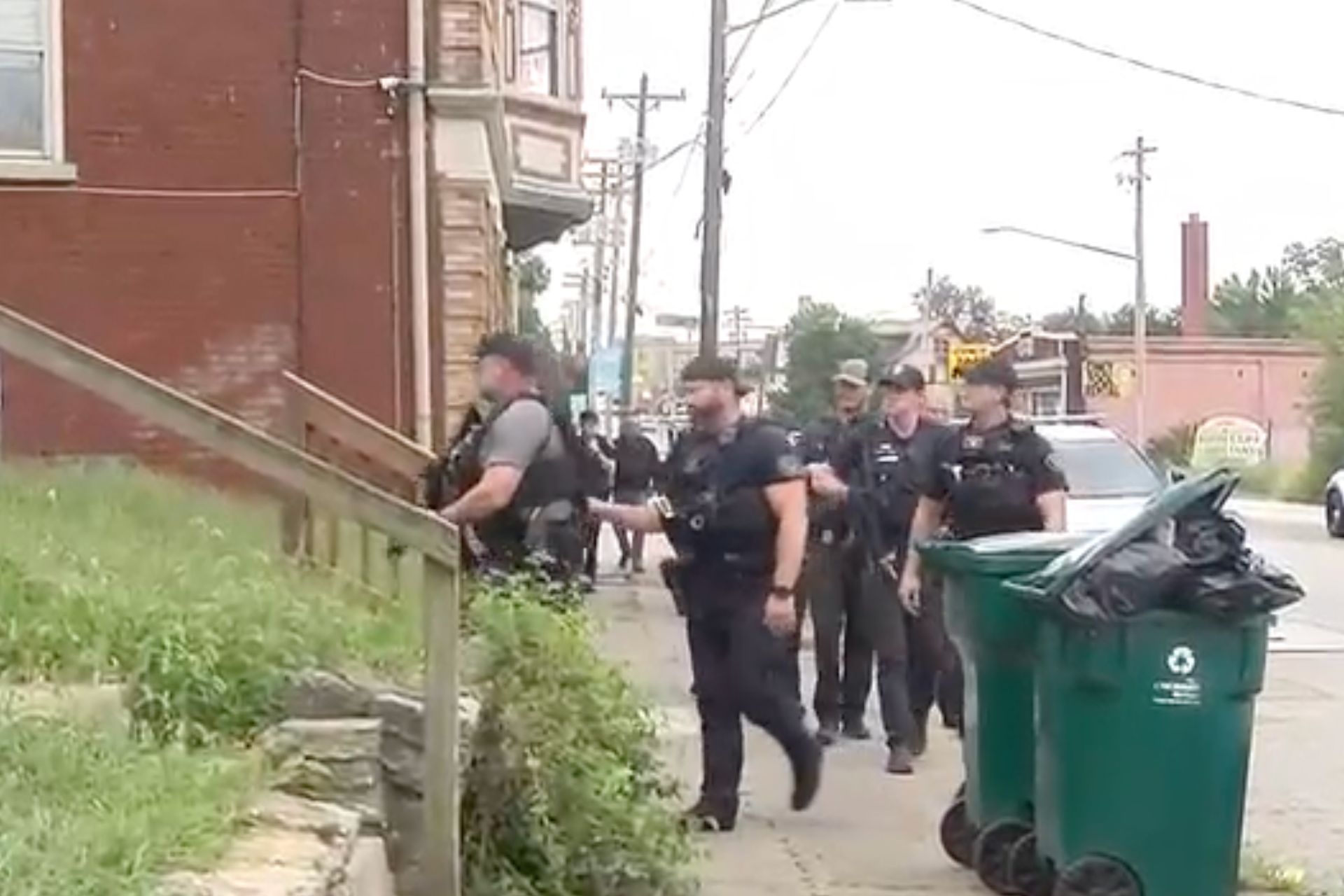
An 11-year-old boy was shot Tuesday in East Price Hill, bringing renewed scrutiny to a nearby residential property that neighbors had reportedly raised concerns about. Cincinnati police responded to the area of Warsaw Avenue, where officers and other law enforcement agencies remained at the scene for several hours.
The boy was taken to Cincinnati Children’s Hospital for treatment. Authorities have not publicly released his identity, and additional details about his injuries remain limited.
The shooting itself remains under investigation. Officials have not established that the vacant property caused or directly contributed to the shooting.
Instead, the incident has focused attention on conditions at the property and the city’s broader effort to monitor vacant buildings.
East Price Hill shooting draws attention to Warsaw Avenue property
The property at 3752 Warsaw Ave. has become a central part of the discussion following the shooting. According to WCPO, neighbors have expressed concerns about activity at the home.
WCPO reported that the East Price Hill Improvement Association president contacted police about activity at the property before the shooting. The report also said the property has a lengthy history of city code violations.
City records reportedly show 23 violations connected to the property dating back to 2007. Four violations remained open, involving issues such as trash, litter and tall grass, according to WCPO.
The property has been associated with Second Avenue, a company that owns and manages rental homes in Cincinnati and other markets. The company’s listing for the address identifies it as a three-bedroom, two-bath home.
The listing also describes the property as a professionally managed Second Avenue rental. That listing remains publicly available, although its current occupancy status may differ from its marketing status.
According to reporting from FOX19, the city had received a complaint involving the property and believed the home was vacant. The company told FOX19 that tenants had been evicted in July.
FOX19 also reported that Second Avenue knew other people had been staying at the property after the evictions. The company said it believed the property would be secured after the city raised concerns.
East Price Hill shooting raises vacant-building questions
The shooting has brought the city’s vacant-building policies into sharper focus.
Cincinnati established its Vacant Building Registry in 2025. City Council adopted the registry as part of a broader effort to move from reactive enforcement toward earlier identification and management of vacant properties.
The city’s official records show Council adopted a motion in April 2025 directing the administration to consider using registry information to connect property owners with rehabilitation resources. The motion also called for a report on existing programs that could help rehabilitate vacant buildings.
The city’s October 2025 report described the registry as a tool for identifying vacant buildings and connecting owners with resources. Officials said rehabilitation could help return properties to productive use and address the city’s housing needs.
The issue extends well beyond East Price Hill.
WCPO previously reported that Cincinnati had more than 5,000 vacant buildings. The report identified Price Hill as the city’s neighborhood with the largest number, at 237 vacant buildings.
The same report said about 2,800 vacant buildings had no city monitoring at the time. Councilman Mark Jeffreys told WCPO that most of those buildings had their water service turned off for years.
The city’s vacant-building problem also carries a financial cost. WCPO reported that vacant buildings cost Cincinnati taxpayers about $8.5 million annually to maintain.
Vacant buildings remain a citywide concern
Cincinnati officials have described the registry as a way to identify vacant properties and encourage owners to address them.
The city’s 2025 report said the registry shifts the city’s approach from reactive enforcement toward proactive revitalization. Officials also linked vacant-property rehabilitation to neighborhood stability and the creation of additional housing.
Price Hill’s position on the city’s vacancy list makes the issue particularly relevant to East Price Hill residents.
WCPO reported that Price Hill had 237 vacant buildings. Avondale followed with 177, while Evanston had 156 and the West End had 144.
The figures show that vacant properties are not limited to one Cincinnati neighborhood. They represent a citywide housing, maintenance and public-safety challenge.
City officials also provide a process for residents to report problems involving vacant residential buildings.
The Cincinnati Health Department says residents can contact the Building & Inspections Office about complaints involving vacant residential buildings. Residents can also submit service requests through the city’s 311 system.
That reporting process could become increasingly important as Cincinnati expands its vacant-building registry.
What happened after the East Price Hill shooting
Police returned to the property following the shooting as authorities investigated the circumstances surrounding the incident.
FOX19 reported that officers and inspectors went to the home and confirmed that no one was inside. The response followed concerns about whether the property had been properly secured after becoming vacant.
The distinction between a vacant property and an abandoned property remains important.
A home can become vacant for legitimate reasons, including a change in tenants, renovations or pending repairs. Problems can arise when a vacant property remains unsecured, deteriorates or attracts unauthorized activity.
Cincinnati’s registry is intended to give the city better information about such properties.
The city has also considered using registry information to connect owners with financial resources for rehabilitation. Council’s 2025 motion specifically called for the registry to help identify opportunities for property investment and rehabilitation.
For residents, the question is not simply how many vacant homes exist. It is whether owners and city officials know which properties are vacant and whether those properties remain secure.
East Price Hill shooting remains under investigation
The investigation into the shooting remains separate from the city’s vacant-building enforcement efforts.
Police have not publicly said that the Warsaw Avenue property caused the shooting. Authorities also have not established a direct connection between the property’s condition and the person or people responsible for the gunfire.
That distinction matters as officials review what happened.
The shooting involved an 11-year-old victim and prompted a significant law enforcement response. At the same time, the condition and occupancy status of the nearby property have raised questions that extend beyond this individual case.
The incident could therefore become another test of Cincinnati’s efforts to address vacant residential buildings.
The city now has a formal Vacant Building Registry, along with existing code-enforcement procedures and resident reporting channels. How those tools are used could determine whether properties identified as vacant receive timely attention.
For East Price Hill residents, the immediate concern remains the shooting investigation and the condition of the injured child.
For city officials, the case also highlights the importance of knowing when a residential property becomes vacant, who remains responsible for securing it and how quickly the city responds to complaints.
Cincinnati’s vacant-building strategy is still developing. The Warsaw Avenue property has placed that policy under renewed public scrutiny following the East Price Hill shooting.
FAQs
What happened in the East Price Hill shooting?
An 11-year-old boy was shot in East Price Hill near Warsaw Avenue. Police investigated the shooting and took the child to Cincinnati Children’s Hospital for treatment.
Why is the vacant property part of the story?
The nearby property reportedly had a history of code violations and had become vacant after tenants were evicted. Neighbors had also raised concerns about activity at the property.
Does the vacant property have a confirmed connection to the shooting?
Authorities have not established that the property’s condition caused or directly contributed to the shooting. The shooting remains under investigation.
What is Cincinnati’s Vacant Building Registry?
The registry helps Cincinnati identify and track vacant buildings across the city. Officials created it to improve oversight and encourage property owners to address vacant and deteriorating buildings.