
Share This Article
Article Summary
The Cincinnati City Council recently introduced a $45 million funding allocation to modernize local water infrastructure and remove hazardous materials from the water supply. Exactly $20 million is dedicated to covering the cost of replacing private lead pipes for homeowners, removing a major financial barrier to clean water access. The remaining $25.19 million will finance broader systemic upgrades, including new water mains, treatment plant improvements, and refurbished pumping stations.
The city council has prioritized the immediate removal of dangerous lead water lines across Cincinnati neighborhoods.
Replacing these aging lead water lines will protect public health and improve overall water system reliability.
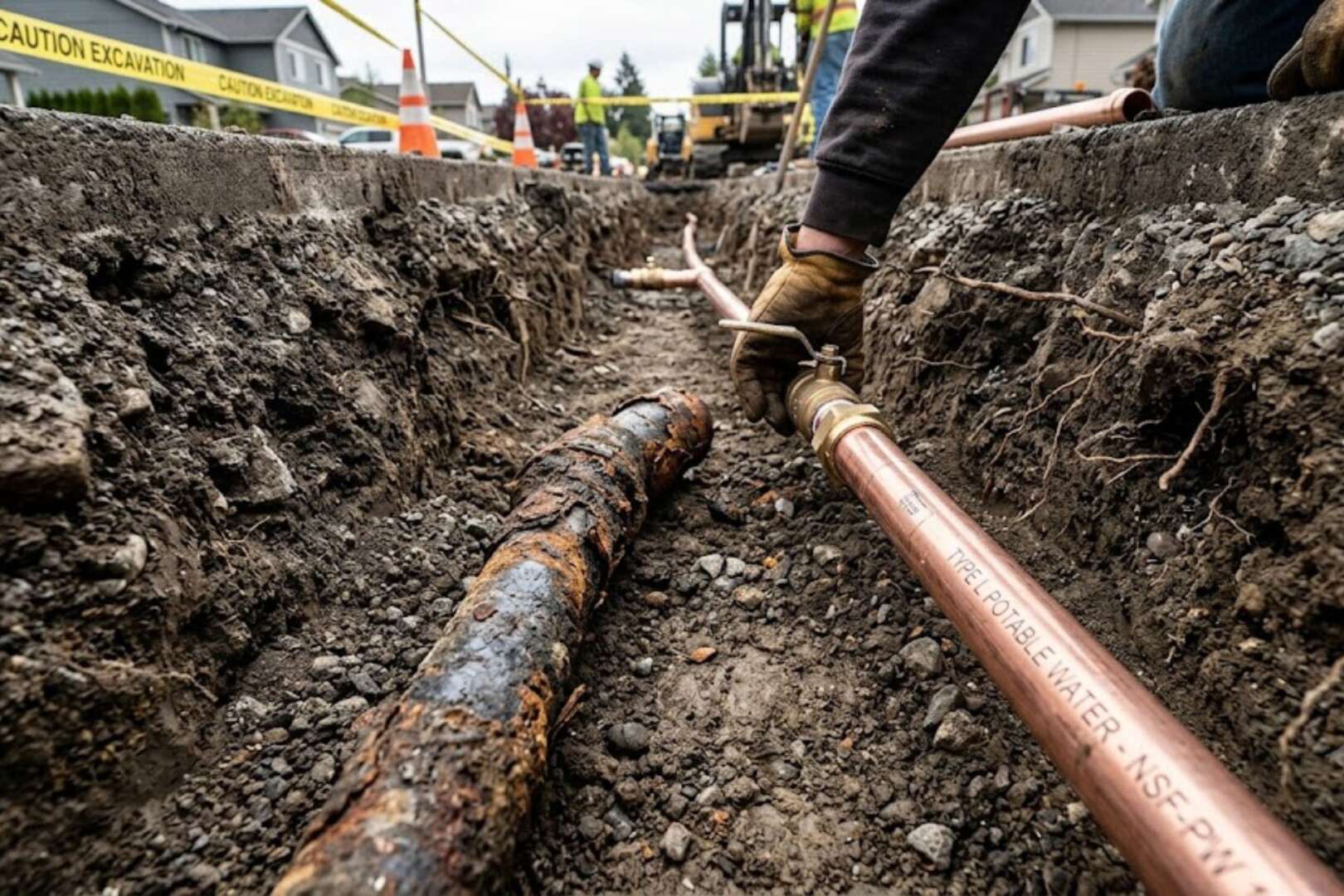
Cincinnati leaders are taking aggressive action to replace lead water lines and modernize local infrastructure. Removing lead water lines is the primary focus of the council’s recently introduced $45 million funding allocation. A major portion of this funding targets the removal of hazardous materials from the city water supply. Officials want to eliminate the remaining toxic pipes connecting homes to the public grid. This massive investment aims to safeguard families and children from dangerous heavy metals.
The presence of lead water lines remains a pressing public health concern in American cities. As water travels through these aging pipes, microscopic toxic particles can leach into tap water. Health experts have documented the severe developmental impacts this exposure causes in young children. Even trace amounts of this toxic element can cause irreversible neurological damage and cognitive delays. This new funding initiative directly addresses this well-known environmental threat.
Funding the removal of lead water lines
The newly introduced financial package splits the $45 million into two distinct appropriations. Exactly $20 million will flow directly into the Private Lead Service Line Replacement Fund. This specific fund addresses a massive financial hurdle that has historically slowed down local replacement efforts. Until now, homeowners carried the legal and financial burden for the private side of the service line. The private side connects the municipal property line directly into the residential basement or foundation.
Property owners often balked at the steep repair bills associated with this heavy construction. Excavating yards and pulling new pipes usually costs thousands of dollars out of pocket. Many working-class families simply could not afford this unexpected and massive emergency expense. The city will now cover this cost entirely through the newly replenished pipe replacement fund. This ensures equitable access to safe drinking water regardless of a neighborhood’s economic status.
Replacing the private side of these pipes is critical for complete community safety. Municipalities can upgrade the main street lines, but leaving the private connection intact still poses health risks. According to guidelines published by the Environmental Protection Agency (EPA), partial pipe replacements can sometimes temporarily spike contamination levels. A full replacement from the street to the home meter is the only completely safe method. Cincinnati’s new funding guarantees that these full replacements can happen seamlessly across the city.
Upgrading the broader water system infrastructure
Beyond the private property replacements, the remaining funds will tackle systemic improvements across the region. The city council is transferring $25.19 million into the Water Works Capital Improvement Fund. This massive injection of capital will finance broader infrastructure needs across the entire metropolitan area. The Greater Cincinnati Water Works (GCWW) maintains a vast and aging network of underground utilities. This system requires constant maintenance and periodic complete overhauls to prevent catastrophic failures.
The designated capital improvement money will address several specific operational categories for the water department. Routine maintenance alone cannot keep up with the demands of a growing modern city. The city must modernize aging facilities to maintain adequate water pressure and pure water quality.
- Installing new heavy-duty water mains.
- Replacing deteriorating existing main street pipes.
- Funding critical water treatment plant improvements.
- Upgrading mechanical community pumping stations.
- Refurbishing large-scale municipal water tanks.
These infrastructure upgrades ensure the long-term viability of the regional public water grid. Climate changes and population shifts place unprecedented stress on municipal water systems. Proactive maintenance prevents the costly and disruptive water main breaks that frequently plague older cities. By investing this $25.19 million now, Cincinnati avoids much higher emergency repair costs later. This proactive approach ultimately saves taxpayers money over the next several decades.
Looking ahead to future lead water lines replacement
The city council is not stopping with this immediate summer budget allocation. They have already authorized significant future spending for fiscal year 2027. Local leaders recognize that infrastructure revitalization requires a dedicated multi-year financial commitment. A one-time cash injection cannot fix decades of deferred maintenance and aging plumbing materials. The long-term plan secures the continued modernization of the entire regional distribution network.
For fiscal year 2027, the council approved an enormous $80.5 million capital funding package. This money will continue funding Greater Cincinnati Water Works capital improvements well into the future. Furthermore, the city earmarked an additional $20 million specifically for ongoing private line replacement activities. This guarantees that the vital lead abatement program will not run out of money prematurely. Homeowners can rest assured that the city will continue covering these private repair costs.
These future authorizations signal a permanent shift in how the city manages public health infrastructure. Past administrations often tackled these improvements in a piecemeal fashion based on yearly budget constraints. The current council is adopting a holistic, fully funded approach to the entire water crisis. As reported by local news outlets covering the June 10 council meeting, this represents a historic investment. The initiative has broad support from environmental advocates and neighborhood community councils alike.
The public health impact on local neighborhoods
The health implications of removing these toxic lines cannot be overstated by medical professionals. Heavy metal toxicity disproportionately affects low-income neighborhoods where older housing stock dominates the landscape. Families renting older homes often have little control over their internal plumbing infrastructure. Landlords are sometimes reluctant to initiate expensive voluntary upgrades without significant outside financial assistance. The new municipal funding bypasses these roadblocks by offering direct financial coverage for the work.
Local pediatricians and health advocates have long pushed for these exact systemic infrastructure changes. According to public health data tracked by the Centers for Disease Control and Prevention (CDC), no safe blood lead level exists for growing children. Even very low levels of exposure can negatively impact academic performance and childhood behavioral regulation. Removing the physical source of the exposure is the only preventative medical strategy that works. Cincinnati’s comprehensive replacement program aligns perfectly with modern preventative public health recommendations.
Residents can track the progress of these initiatives through official local government portals. The city maintains interactive maps showing where replacements have already occurred in various neighborhoods. Transparency remains a key component of this massive multi-year public works project. Citizens deserve to know exactly how their tax dollars are improving their immediate physical environment. You can read more about previous infrastructure votes in our recent council budget analysis.
Finalizing the legislative process
The legislative process for this funding is currently entering its final administrative stages. These measures were officially introduced during the June 10, 2026, city council meeting. The council immediately referred the package to the Budget, Finance & Governance Committee for final action. Committee approval is widely expected given the urgent public health necessity of the project. Once passed, the funds will become immediately available to the local water department.
Cincinnati is setting a strong example for other Midwestern cities facing similar infrastructure crises. Aging industrial cities across the Rust Belt struggle with identical dangerous plumbing legacies. Finding the political will and the financial capital to fix the problem is famously difficult. Cincinnati’s dual approach of funding both public mains and private connections is highly effective. It offers a viable blueprint for nationwide municipal water system reform.
The next few years will bring significant construction activity to local city streets. Residents should expect temporary water shutoffs and minor traffic disruptions during the excavation process. However, the short-term inconvenience pales in comparison to the long-term public health benefits. A modernized water system ensures that future generations will inherit a safe, reliable utility network. You can follow ongoing developments on this issue through our local infrastructure news hub.
FAQs
Who pays for the private lead service line replacement under the new plan?
The city will cover the entire cost of replacing the private side of lead service lines using the newly replenished $20 million fund. Homeowners will no longer face thousands of dollars in out-of-pocket expenses for these necessary excavations.
Why are lead water lines dangerous to public health?
As water flows through aging lead pipes, microscopic toxic particles can leach directly into the tap water. Exposure to these heavy metals is especially dangerous for young children and can cause severe neurological damage and cognitive delays.
What broader infrastructure improvements are included in the $45 million package?
Beyond private line replacements, $25.19 million will fund systemic upgrades across the Greater Cincinnati Water Works network. This capital will be used to install new water mains, improve water treatment plants, and refurbish community pumping stations.
Are there plans for further water infrastructure funding in the future?
Yes, the city council has authorized an additional $80.5 million for further water system capital improvements in fiscal year 2027. They have also earmarked another $20 million specifically to continue the ongoing private lead service line replacement program.