



Share This Article
Article Summary
A dangerous heat wave is threatening the Ohio Valley and eastern United States with record temperatures and oppressive humidity ahead of the July Fourth holiday. The National Weather Service has issued extreme heat warnings, predicting heat indices between 105 and 115 degrees in parts of Ohio and Kentucky. The severe conditions are driven by a massive heat dome trapping hot air, with unusually high overnight temperature
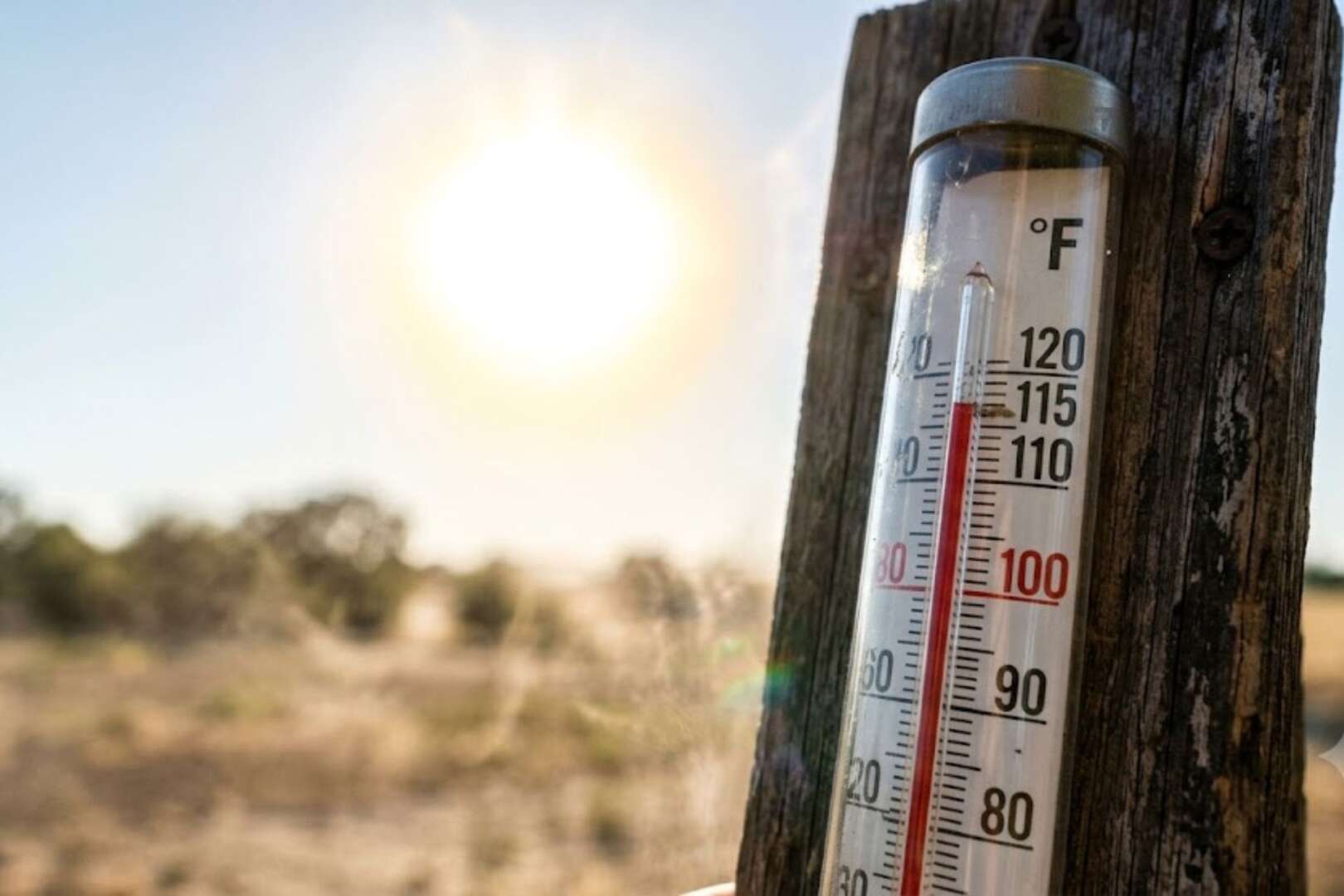
This dangerous heat wave threatens the Ohio Valley with record-breaking temperatures and suffocating humidity.
Residents must prepare now as the dangerous heat wave intensifies ahead of the July Fourth holiday.
The National Weather Service issued broad warnings as a dangerous heat wave settles over the central and eastern United States. Forecasters expect the intense weather to linger through the long holiday weekend. High temperatures in Cincinnati will reach between 90 and 97 degrees daily.
However, oppressive humidity levels will make the air feel much hotter. Heat index values could reach between 105 and 115 degrees in isolated locations across Ohio and Kentucky. Emergency officials urge the public to take immediate precautions against the severe conditions.
Understanding the dangerous heat wave causes
A massive heat dome currently blankets the eastern half of the country. An upper-level ridge of high pressure traps hot, humid air close to the ground. This atmospheric pattern forces the hot air downward and prevents cooler air from entering the region.
The sinking air compresses and heats up further. This prevents cloud formation and maximizes the strong summer sunshine. CNN reported earlier today that this dangerous and potentially record-setting heat will scorch millions of Americans this July Fourth. The prolonged sunshine will keep rain chances very low for most of the week.
Lack of overnight relief worsens the dangerous heat wave
One critical concern during this event involves the unusually warm nights. Overnight temperatures will struggle to drop below the mid- to upper-70s. Urban areas like downtown Cincinnati will see temperatures hover near 80 degrees after sunset. Concrete and asphalt absorb daytime heat and release it very slowly overnight.
These warm nights prevent our bodies from adequately cooling down. They also stop homes and buildings from shedding the trapped heat. Warning Coordination Meteorologist Christine Wielgos says this combination drastically increases the risk of heat-related illnesses. She notes that vulnerable populations face the highest risks from successive hot days and warm nights.
Severe warnings activate across multiple states
More than 100 million Americans currently face major or extreme heat risks. The National Weather Service activated three tiers of alerts across the region. Extreme heat warnings cover parts of western Kentucky, northwest Ohio, and southern Indiana. Dayton residents also face a prolonged heat advisory that lasts until Thursday night, according to local outlet WHIO.
The extreme heat threatens older adults, young children, and outdoor workers. People without reliable air conditioning remain especially vulnerable to the elements. NPR recently reported that this massive heat dome drives dangerous conditions across the nation right into the holiday weekend. High heat and severe humidity make physical exertion incredibly dangerous for everyone.
How long will the extreme temperatures last?
Current National Weather Service heat advisories run through Thursday evening. However, the high temperatures will undoubtedly persist into the holiday weekend. The Climate Prediction Center indicates a slight risk of extreme heat persisting in the Ohio Valley through July 8.
Some areas might see marginal relief later in the weekend. The high-pressure ridge could weaken and shift westward. This shift might allow isolated thunderstorms to develop and cool the air briefly. Still, above-average temperatures will likely persist across much of the South and the Ohio Valley into the following week.
Preparing for Independence Day disruptions
The extreme weather forces many local organizers to rethink their holiday plans. Several communities across Ohio and Kentucky are considering modifications to their outdoor festivals. Parade routes might feature cooling stations or misting tents to protect attendees. Officials warn that the heat will peak just as families gather for outdoor barbecues and fireworks.
Residents planning outdoor parties should ensure ample shade and hydration options. Health officials recommend serving plenty of water alongside festive beverages. Alcohol accelerates dehydration, making it particularly dangerous when consumed in extreme heat. We strongly advise everyone to prioritize safety over traditional outdoor celebrations this year.
Identifying signs of severe heat illness
Prolonged exposure to these temperatures often leads to medical emergencies. Residents must know the difference between heat exhaustion and heat stroke. Heat exhaustion involves heavy sweating, weakness, dizziness, and nausea. You must move a person experiencing these symptoms to a cool place immediately.
Heat stroke represents a severe medical emergency. Symptoms include hot, dry skin, confusion, a rapid pulse, and a loss of consciousness. You must call 911 immediately if you suspect someone has a heat stroke. Delaying treatment can result in fatal consequences.
Protecting your family from the dangerous heat wave
Local emergency officials urge everyone to take this threat seriously. You must take proactive steps to avoid illness. Health experts recommend several key safety guidelines for the coming days.
- Drink plenty of water before you feel thirsty.
- Limit strenuous outdoor activities to the early morning hours.
- Wear lightweight, light-colored clothing outdoors.
- Take frequent breaks in shaded or air-conditioned areas.
- Never leave children or pets inside an unattended vehicle.
Community response and power grid concerns
Regional grid operators anticipate record electricity demands this week. Air conditioning usage spikes naturally during extreme summer weather. The regional electrical grid operator issued a hot weather alert to prepare for the massive energy draw. Residents should prepare for potential power fluctuations.
We also urge readers to check on their neighbors who are in their old age. Ensure they have working air conditioning and sufficient drinking water. LiveMint highlighted advice from the National Weather Service urging citizens to limit time outdoors and check on relatives with chronic illnesses.
Keeping pets safe during extreme summer weather
Animals suffer greatly during a dangerous heat wave. Dogs and cats cannot sweat like humans do. They rely on panting to cool their bodies. You must provide them with constant access to fresh, cool water.
Keep pets indoors during the hottest parts of the afternoon. Walk dogs early in the morning or late in the evening. Hot pavement burns their paw pads quickly. Place your hand on the asphalt; if you cannot hold it there for five seconds, it remains too hot for your dog.
Looking ahead to July
Our region welcomes the month of July on Wednesday. The sunshine will remain strong and intense throughout the week. Please heed all warnings issued by the National Weather Service. Stay indoors whenever possible and prioritize your health during this historic weather event.
FAQs
What is causing the dangerous heat wave in the Ohio Valley?
A massive heat dome is currently trapped over the eastern half of the United States. This upper-level ridge of high pressure forces hot, humid air downward and prevents cooler air or cloud formations from entering the region.
How hot will it get during this weather event?
High temperatures are expected to reach between 90 and 97 degrees daily. However, severe humidity will push heat index values between 105 and 115 degrees in isolated areas across Ohio and Kentucky. Overnight lows will also remain unusually high in the mid- to upper-70s.
Why are warm nights a significant concern during this heat wave?
Unusually warm nights prevent human bodies from adequately cooling down after daytime exposure. This lack of overnight relief stops buildings from shedding trapped heat and drastically increases the risk of heat-related illnesses.
What are the signs of severe heat illness?
Heat exhaustion symptoms include heavy sweating, weakness, dizziness, and nausea. Heat stroke is a more severe medical emergency characterized by hot, dry skin, confusion, a rapid pulse, and a loss of consciousness, which requires immediate 911 medical attention.