
Share This Article
Article Summary
The Ohio GOP primary has highlighted early challenges for Vivek Ramaswamy despite his frontrunner status. According to the Associated Press, policy proposals and intra-party criticism have created friction within the race. Opponent Casey Putsch is leveraging grassroots messaging to appeal to skeptical voters. The outcome of the primary is expected to influence Republican momentum heading into the general election.
Vivek Ramaswamy entered the Ohio GOP primary as a frontrunner with strong financial backing and national visibility.
According to Associated Press, his campaign benefits from early fundraising strength and support from prominent Republican figures.
He has also positioned himself as a policy-driven candidate focused on economic and education reforms. Despite these advantages, the primary is exposing vulnerabilities that could influence his broader campaign. Political analysts say early resistance within the party may signal deeper challenges ahead in the Ohio GOP primary. The race remains fluid as candidates try to define themselves before the fall election.
Ohio GOP primary reveals early resistance
The Ohio GOP primary has begun to surface criticism of Ramaswamy’s policy proposals. Some Republican voters and strategists have questioned ideas such as raising the voting age and restructuring public universities. These positions have drawn scrutiny even among conservative circles.
According to reporting by the Associated Press, such proposals could complicate efforts to unify the party. Opponents argue the ideas may alienate younger voters and moderates. Ramaswamy’s campaign has defended the proposals as long-term reforms aimed at strengthening institutions.
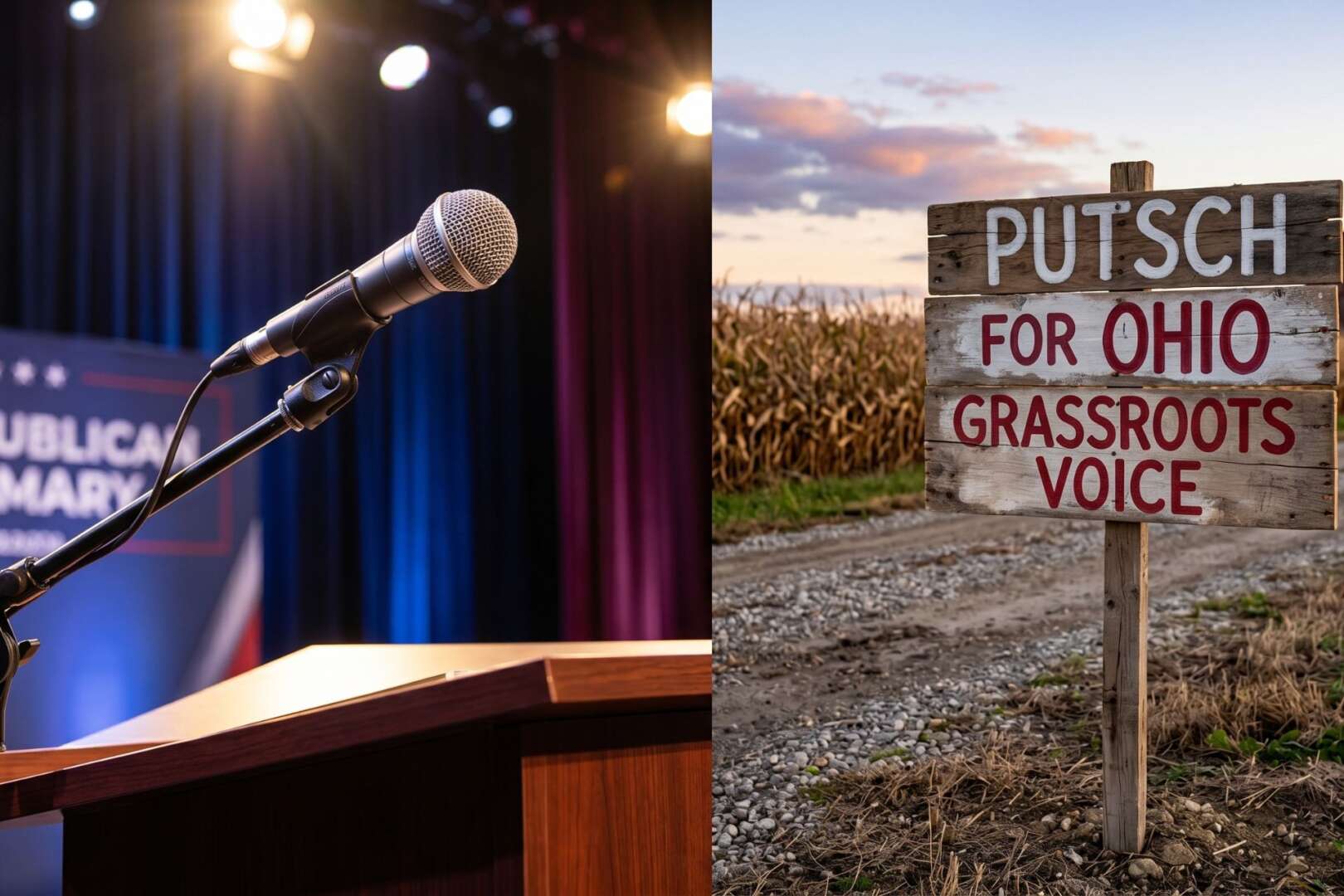
His main challenger, Casey Putsch, has sought to capitalize on that skepticism. Putsch promotes a grassroots campaign that contrasts with Ramaswamy’s national profile. While his campaign lacks comparable funding, he has targeted voters who prefer outsider candidates. This dynamic highlights divisions within the Republican base. Analysts note that even limited opposition can shift messaging in a primary race. The outcome may depend on turnout and voter enthusiasm.
- Ramaswamy leads in fundraising and name recognition
- Putsch emphasizes grassroots and populist messaging
- Policy debates are shaping early voter perceptions
Ohio GOP primary tests party unity
The Ohio GOP primary is also testing broader Republican unity ahead of the general election. Internal disagreements over policy direction and campaign tone have emerged as key issues. According to coverage from Business Insider, high-profile candidates like Ramaswamy often face heightened scrutiny due to their visibility. This scrutiny can amplify internal disagreements. Party leaders have emphasized the importance of consolidating support after the primary. However, lingering divisions could affect general election performance.
External factors may also influence the race. Economic concerns and national political developments continue to shape voter sentiment. Analysts say these issues can shift priorities within the electorate. Ramaswamy has attempted to align his messaging with broader conservative concerns. Still, the primary environment requires balancing bold proposals with party cohesion. The campaign’s ability to navigate these pressures may determine its trajectory.
Fall campaign outlook after Ohio GOP primary
The Ohio GOP primary will play a decisive role in shaping the fall campaign landscape. If Ramaswamy secures the nomination, he is expected to face Democratic candidate Amy Acton. The general election could center on economic policy, healthcare, and education reform.
According to the Associated Press, early primary tensions may influence voter perceptions beyond the Republican base. Candidates often carry primary narratives into the general election. This makes early messaging especially important.
Ramaswamy remains a strong contender despite the emerging headwinds. His campaign continues to emphasize fundraising strength and policy clarity. However, analysts caution that primary challenges can signal vulnerabilities. The coming months will test whether he can unify the party and expand his appeal. Voter turnout and engagement will likely determine the final outcome. The Ohio governor’s race is expected to remain competitive through November.
FAQs
What is the Ohio GOP primary about?
The Ohio GOP primary determines the Republican nominee for governor in the 2026 election. Candidates compete to secure party support before advancing to the general election.
Why is Vivek Ramaswamy facing challenges?
Ramaswamy’s policy proposals have drawn criticism from some Republican voters and strategists. These debates have created divisions within the party during the primary.
Who is Casey Putsch?
Casey Putsch is a Republican candidate challenging Ramaswamy in the primary. He focuses on grassroots campaigning and appeals to voters seeking an outsider candidate.
What happens after the primary?
The winner of the Republican primary will face Democratic candidate Amy Acton in the general election. The general election will determine the next governor of Ohio.