
Share This Article
Article Summary
Short-term rentals in Cincinnati continue to expand, with data from AirDNA showing an average occupancy rate of about 56% and a market score of 89, classified as “great” as of April 27. Growth has been driven by tourism, events, and increased participation on platforms like Airbnb and Vrbo. High-demand neighborhoods such as Over-the-Rhine and Downtown lead in occupancy and revenue potential. At the same time, local regulations and housing concerns continue to shape the market’s development.
Short-term rentals in Cincinnati have seen steady growth over the past several years, driven by tourism, business travel, and major events.
Platforms like Airbnb and Vrbo have increased the visibility of available properties, encouraging more homeowners and investors to enter the market.
According to data reported by AirDNA and local outlets, occupancy rates and nightly prices have trended upward since 2023. These trends highlight growing interest in the Cincinnati Airbnb market.
Based on the data available in their official site, Cincinnati has a 56 percent occupancy rate with a market score of 89 which equates to “great” level as of April 27 this year.
This growth reflects a broader national shift toward flexible lodging options.
However, it also raises concerns about housing availability and neighborhood stability. City leaders and community groups continue to debate the long-term impact.
Cincinnati Airbnb market growth trends
The Cincinnati Airbnb market has experienced strong gains in both listings and revenue. Data from industry analytics firms shows that active listings in the city have increased significantly year over year. Property owners are capitalizing on high-demand periods, including festivals, sports events, and conventions. Downtown Cincinnati, Over-the-Rhine, and areas near the riverfront remain the most active zones.
Several factors are driving this growth:
- Increased tourism tied to sports and cultural events
- Rising hotel costs pushing travelers toward short-term rentals
- Flexible work arrangements allowing longer stays
- Investor interest in multi-unit rental properties
Reports from WCPO 9 and the Cincinnati Business Courier indicate that some hosts earn higher monthly income through short-term rentals than traditional leases. This shift has encouraged more property conversions, especially in high-demand neighborhoods. However, analysts caution that revenue can fluctuate based on seasonality and regulatory changes.
Short term rentals Cincinnati reshape housing supply
Short term rentals Cincinnati trends are influencing the city’s housing market in noticeable ways. As more units shift to short-term use, fewer properties remain available for long-term renters. Housing advocates argue that this contributes to rising rents and reduced affordability.
A study referenced by the Urban Institute highlights that cities with high short-term rental activity often face supply constraints. Cincinnati is not immune to this pattern. Neighborhood groups in areas like Clifton and Mount Adams have voiced concerns about noise, parking, and community disruption.
At the same time, property owners argue that short-term rentals provide important supplemental income. Many hosts rely on Airbnb earnings to cover mortgages, property taxes, and maintenance costs. This dynamic creates tension between economic opportunity and housing stability.
Best neighborhoods for Airbnb in Cincinnati: Where demand and revenue are highest
Cincinnati’s short-term rental market continues to expand, with performance varying widely by neighborhood. Data from platforms like AirDNA and recent market analyses highlight several areas that consistently attract strong Airbnb demand due to tourism, business travel, and local attractions.
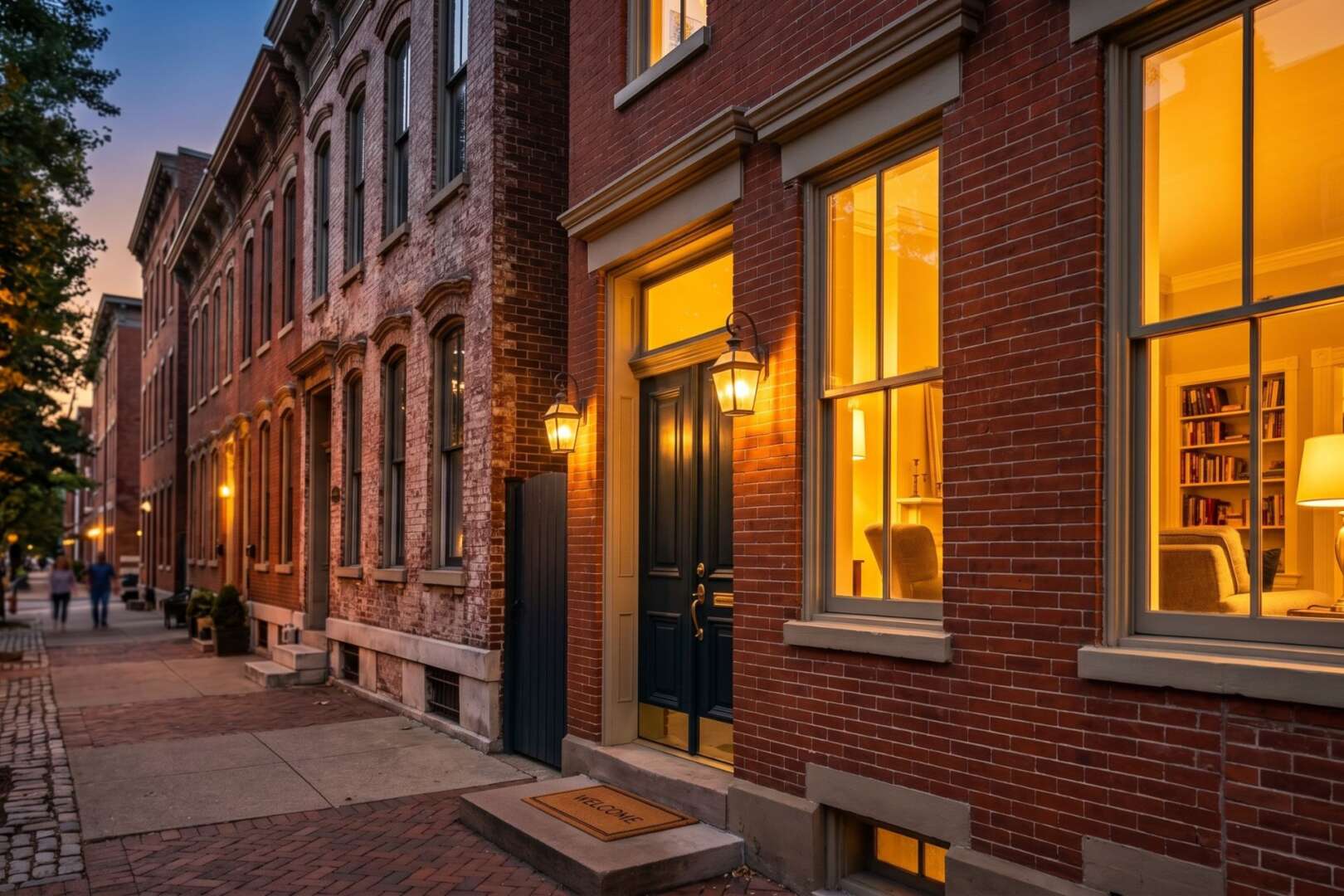
One of the top-performing areas is Over-the-Rhine (OTR), widely considered the city’s leading Airbnb neighborhood. Its historic architecture, nightlife, and walkability make it a major draw for visitors. Market data shows occupancy rates ranging from about 51% to 67%, depending on the dataset, along with strong annual revenue potential for hosts.
Downtown Cincinnati is another key area, particularly for business travelers and event-driven stays. With proximity to convention centers, stadiums, and major attractions, it maintains relatively consistent demand throughout the year, with occupancy rates around 63% in some analyses.
Nearby, Mount Adams offers a different appeal. Known for its hilltop views and cultural institutions, the neighborhood attracts couples and leisure travelers seeking premium stays. While more niche, it benefits from its proximity to landmarks such as museums and parks, contributing to steady short-term rental activity.
Other neighborhoods also show strong performance depending on investment strategy. Hyde Park provides more stable, residential demand with occupancy around 53%, appealing to families and longer stays. Meanwhile, Oakley and Cliftonattract younger travelers, students, and medical visitors, with occupancy rates typically ranging from the 40% to high-50% range.
Analysts note that the most successful Airbnb locations in Cincinnati share common traits: walkability, proximity to attractions, and access to business or cultural hubs. Over-the-Rhine and Downtown dominate for high revenue potential, while neighborhoods like Hyde Park and Clifton offer more consistent, lower-volatility bookings.
As the market evolves, choosing the right neighborhood remains one of the most important factors for Airbnb success in Cincinnati, with location continuing to drive both occupancy rates and long-term profitability.
Airbnb regulations Ohio and local enforcement
Airbnb regulations Ohio policies vary by city, and Cincinnati has taken steps to strengthen oversight. The city requires short-term rental operators to register their properties and comply with zoning rules. These regulations aim to ensure safety, accountability, and tax compliance.
According to the City of Cincinnati’s official website, hosts must:
- Obtain a short-term rental license
- Pay applicable lodging taxes
- Follow occupancy limits and safety codes
- Provide emergency contact information
Enforcement has increased in recent years. City officials have issued fines to non-compliant operators and removed illegal listings. Reporting by the Cincinnati Enquirer notes that enforcement efforts intensified after complaints from residents.
At the state level, Ohio does not have a unified regulatory framework for short-term rentals. This leaves cities like Cincinnati to create their own rules. The lack of statewide consistency has led to calls for clearer guidelines.
Cincinnati Airbnb market and rental income trends
Rental income trends within the Cincinnati airbnb market remain a key driver of participation. Many hosts report strong returns, particularly during peak travel seasons. Events such as Bengals games, Reds matchups, and major conventions significantly boost demand.
Average nightly rates in Cincinnati vary by location and property type. Downtown units and properties near entertainment districts command higher prices. Suburban listings typically offer lower rates but attract longer stays.
Key income trends include:
- Higher earnings during weekends and event periods
- Increased competition as more listings enter the market
- Seasonal dips in occupancy during off-peak months
- Rising operational costs, including cleaning and platform fees
According to AirDNA data cited by multiple outlets, revenue growth has slowed slightly as supply increases. This suggests the market may be approaching a more competitive phase. New hosts must carefully evaluate pricing strategies and occupancy expectations.
Balancing growth and community impact
The rapid expansion of short term rentals in Cincinnati has sparked ongoing policy discussions. City officials aim to support economic growth while protecting neighborhood quality of life. Stakeholders continue to weigh the benefits and drawbacks.
Supporters argue that the Cincinnati Airbnb market boosts tourism, supports local businesses, and generates tax revenue. Visitors who stay in residential neighborhoods often spend money at nearby restaurants and shops. This contributes to broader economic activity.
Critics, however, emphasize the risks:
- Reduced long-term housing availability
- Increased property prices in popular areas
- Disruptions to residential communities
- Uneven enforcement of regulations
Local government leaders are exploring potential updates to zoning laws and licensing requirements. Some proposals include caps on the number of short-term rentals in certain neighborhoods or stricter enforcement mechanisms.
Best neighborhoods for Airbnb in Cincinnati: Where demand and revenue are highest
Cincinnati’s short-term rental market continues to expand, with performance varying widely by neighborhood. Data from platforms like AirDNA and recent market analyses highlight several areas that consistently attract strong Airbnb demand due to tourism, business travel, and local attractions.
One of the top-performing areas is Over-the-Rhine (OTR), widely considered the city’s leading Airbnb neighborhood. Its historic architecture, nightlife, and walkability make it a major draw for visitors. Market data shows occupancy rates ranging from about 51% to 67%, depending on the dataset, along with strong annual revenue potential for hosts.
Downtown Cincinnati is another key area, particularly for business travelers and event-driven stays. With proximity to convention centers, stadiums, and major attractions, it maintains relatively consistent demand throughout the year, with occupancy rates around 63% in some analyses.
Nearby, Mount Adams offers a different appeal. Known for its hilltop views and cultural institutions, the neighborhood attracts couples and leisure travelers seeking premium stays. While more niche, it benefits from its proximity to landmarks such as museums and parks, contributing to steady short-term rental activity.
Other neighborhoods also show strong performance depending on investment strategy. Hyde Park provides more stable, residential demand with occupancy around 53%, appealing to families and longer stays. Meanwhile, Oakley and Cliftonattract younger travelers, students, and medical visitors, with occupancy rates typically ranging from the 40% to high-50% range.
Analysts note that the most successful Airbnb locations in Cincinnati share common traits: walkability, proximity to attractions, and access to business or cultural hubs. Over-the-Rhine and Downtown dominate for high revenue potential, while neighborhoods like Hyde Park and Clifton offer more consistent, lower-volatility bookings.
As the market evolves, choosing the right neighborhood remains one of the most important factors for Airbnb success in Cincinnati, with location continuing to drive both occupancy rates and long-term profitability.
FAQs
What is the current occupancy rate for Airbnb listings in Cincinnati?
Data from AirDNA indicates that Cincinnati has an average occupancy rate of about 56%. This figure reflects overall market performance and may vary by neighborhood and season.
Which neighborhoods perform best for Airbnb in Cincinnati?
Over-the-Rhine and Downtown Cincinnati consistently show strong demand due to proximity to attractions and events. Other areas like Hyde Park, Mount Adams, and Clifton offer stable occupancy depending on property type and target guests.
How are short-term rentals affecting housing in Cincinnati?
Housing advocates report that increased short-term rental activity may reduce long-term housing supply and contribute to rising rents. Research from the Urban Institute suggests similar patterns in other cities with high short-term rental density.
What regulations apply to Airbnb operators in Cincinnati?
The city requires hosts to register properties, obtain licenses, and follow zoning and safety rules. Local enforcement has increased, while Ohio does not have a unified statewide framework, leaving regulation primarily to municipalities.
This article is for informational purposes only and is based on publicly available data from sources such as AirDNA and local media reports. Market conditions in Cincinnati may change over time due to economic trends, seasonal demand, and regulatory updates. Readers should verify details with official city sources and conduct independent research before making financial or property-related decisions.