



Share This Article
Article Summary
Farmers markets across Cincinnati continue to expand as demand for locally grown food increases. Established markets such as Findlay Market and neighborhood markets have added vendors, community programs, and infrastructure improvements to support shoppers and local farmers. Market organizers and agricultural experts say consumer interest in fresh, locally sourced products continues to drive growth in community markets throughout Southwest Ohio.
Interest in locally grown food continues to rise across the Cincinnati region as neighborhood farmers markets expand their reach and offerings.
Market operators, growers, and food advocates say shoppers increasingly value fresh produce, direct relationships with farmers, and locally produced goods.
That demand has encouraged both established markets and newer community markets to grow, adding vendors, educational programming, and seasonal events.
Several organizations also report that farmers markets have become more than places to buy fruits and vegetables. They now serve as gathering spaces that support neighborhood development, small businesses, nutrition education, and regional agriculture. According to recent reporting by WVXU, farmers across Greater Cincinnati have experienced stronger customer turnout this season despite higher production costs.
Farmers markets Cincinnati drive neighborhood growth
Cincinnati’s best-known public markets continue to evolve alongside consumer demand.
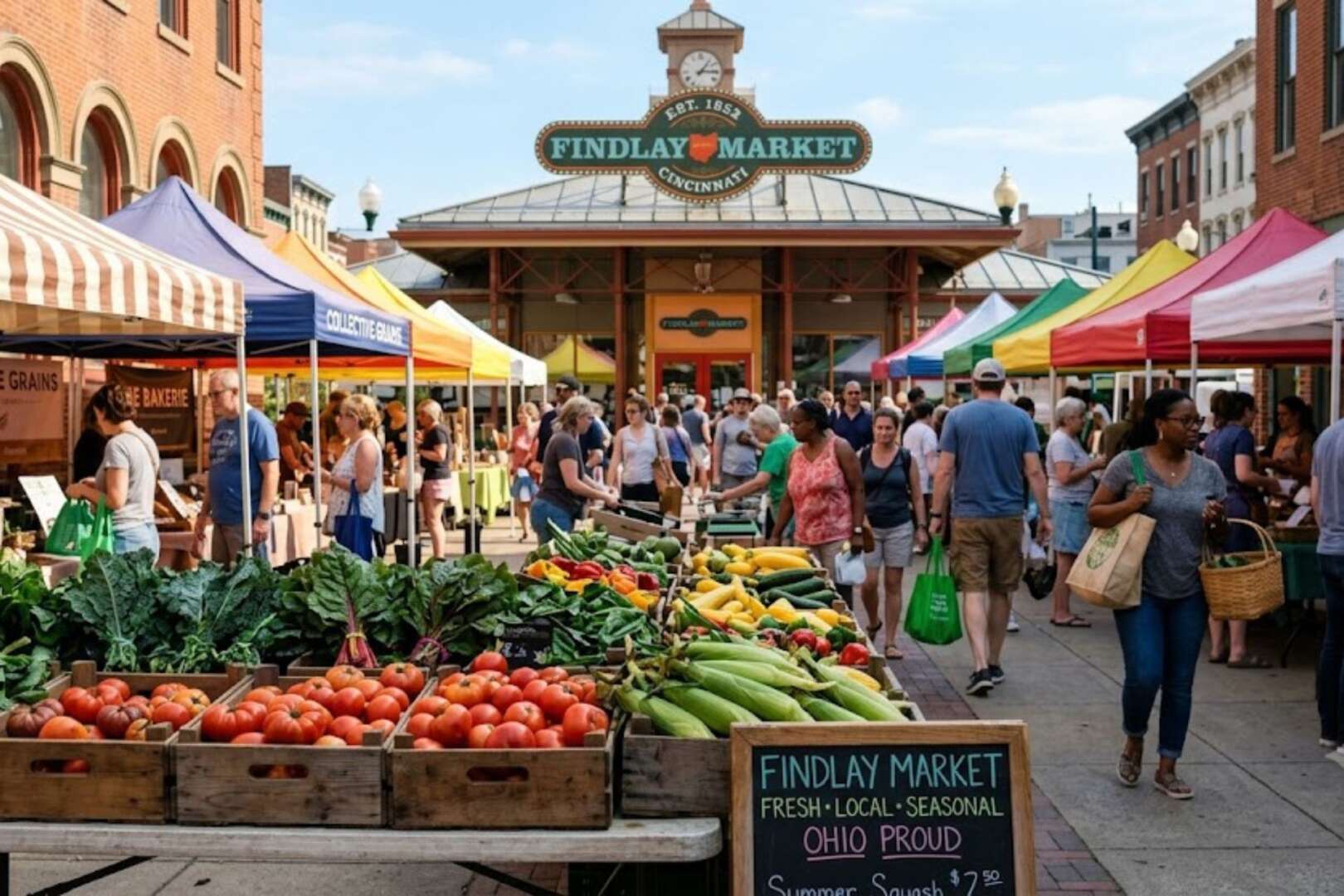
Findlay Market, Ohio’s oldest continuously operated public market, remains one of the region’s largest destinations for locally sourced food. The market welcomes more than one million visitors annually and hosts a thriving outdoor farmers market featuring Ohio growers and specialty food vendors. According to Findlay Market, its merchants and weekend farmers market help connect local producers directly with consumers throughout the year.
Other neighborhood markets have also expanded.
The Montgomery Farmers’ Market, for example, increased its footprint for the 2026 season by introducing wellness programming, youth entrepreneurship opportunities, and additional community activities. Market organizers said the goal extends beyond produce sales by creating stronger neighborhood connections and encouraging healthier lifestyles. According to CityBeat, the expanded format reflects growing public interest in community-centered markets.
Regional investments also support the trend.
The UFC Food System announced an expanded food hub in Over-the-Rhine that will primarily stock fresh produce sourced from Ohio farmers while offering educational programs for residents. Organizers expect the project to strengthen local food access and create additional opportunities for Ohio growers.
Local produce Ohio remains in high demand
Consumer preferences continue shifting toward locally grown products.
Many shoppers say they want greater transparency about where their food comes from. They also prefer buying directly from farmers whenever possible, especially during the growing season. Fresh vegetables, fruits, herbs, eggs, baked goods, honey, and meats remain among the most popular products available at community markets.
According to WVXU, several Greater Cincinnati farmers reported noticeable increases in foot traffic during the 2026 market season. Some vendors said their market sales have nearly doubled compared with the same period last year, while others credited growing support for the local food economy despite rising operating costs.
A broader national trend supports those local observations.
A University of Wisconsin study cited by multiple news organizations found that approximately 80% of Americans visit a farmers market at least once each year. Consumers increasingly associate farmers markets with healthier eating, sustainability, community engagement, and locally sourced food rather than simply seasonal produce.
Several factors continue driving demand for local produce Ohio growers provide:
- Fresher fruits and vegetables harvested closer to sale.
- Direct interaction with farmers and food producers.
- Support for local businesses and family farms.
- Reduced transportation distances for many products.
- Seasonal varieties are often unavailable in traditional grocery stores.
Farmers markets Cincinnati strengthen local agriculture
Growing consumer demand has created new opportunities for farmers across Southwest Ohio.
Selling directly to consumers often allows producers to diversify revenue while building long-term customer relationships. Farmers can introduce specialty crops, explain their growing practices, and receive immediate feedback from shoppers.
Agricultural experts say direct marketing also helps smaller farms remain competitive in changing economic conditions. During a recent discussion on the economics of farmers markets, specialists from The Ohio State University highlighted the important role community markets play in supporting farm income, improving food access, and strengthening local economies.
At the same time, producers continue facing significant challenges.
Fuel costs, fertilizer prices, labor expenses, and inflation have increased operating costs for many farms. Even so, farmers interviewed by WVXU said stronger community support has helped offset some of those pressures through increased local purchasing.
Fresh food trends reshape consumer habits
The expansion of community markets reflects broader fresh food trends seen across Ohio and the United States.
Consumers increasingly prioritize food quality, sustainability, and regional sourcing. Many shoppers also seek products grown using environmentally responsible practices or produced by small independent farms.
Local markets have responded by expanding product selections beyond fresh produce.
Today’s markets frequently include:
- Artisan breads and baked goods.
- Specialty cheeses.
- Fresh flowers.
- Local honey and maple products.
- Grass-fed meats.
- Handmade foods.
- Coffee roasters.
- Prepared meals from local vendors.
Market organizers have also introduced cooking demonstrations, nutrition education, children’s programming, and live entertainment to encourage repeat visits throughout the season.
Several recent infrastructure investments further support long-term growth.
Earlier this year, Findlay Market opened Coughlin Commons, providing expanded cold storage, shared vendor facilities, and additional community space. Market leaders said the improvements will help merchants operate more efficiently while supporting future growth. According to reporting by Hoodline and CityBeat, the project forms part of the broader Findlay Forward capital campaign.
Community markets continue evolving
Community leaders increasingly view farmers markets as important economic and social assets.
Beyond supporting agriculture, markets help activate public spaces, attract visitors to neighborhood business districts, and create opportunities for small entrepreneurs.
Food access also remains a major priority.
Several organizations continue developing initiatives that bring fresh food into underserved neighborhoods through mobile markets, food hubs, and community partnerships. These efforts complement traditional farmers markets while expanding access to healthy food options across the region.
Looking ahead, industry experts expect continued growth in the local food movement as consumers place greater value on regional agriculture, seasonal eating, and community-based food systems. While economic conditions may influence purchasing decisions, support for local growers appears to remain strong throughout Greater Cincinnati.
For many residents, visiting a neighborhood market has become more than a weekly shopping trip. It represents an opportunity to support Ohio farms, strengthen local businesses, and participate in a growing community food network.
Also read:
Findlay Market Cincinnati fuels tourism with vibrant local food culture
FAQs
Why are farmers markets growing in Cincinnati?
Consumer demand for fresh, locally grown food has increased in recent years. Market operators have responded by expanding vendor spaces, adding educational programs, and offering more community events.
What products can shoppers typically find at Cincinnati farmers markets?
Most markets offer seasonal fruits and vegetables, meats, eggs, dairy products, baked goods, honey, flowers, and specialty foods. Product availability varies by season and by vendor.
How do farmers markets benefit local farmers?
Farmers markets allow producers to sell directly to consumers without relying solely on wholesale distribution. Direct sales can provide additional income while helping farmers build long-term relationships with customers.
How do community markets support local neighborhoods?
Community markets bring visitors to neighborhood business districts and provide opportunities for small businesses and local entrepreneurs. Many markets also host educational activities, wellness programs, and initiatives that improve access to fresh food.