
Share This Article
Article Summary
U.S. Customs and Border Protection officers in Cincinnati seized more than 2,500 counterfeit FIFA World Cup items during Operation Protect the Pitch, a nationwide enforcement effort conducted June 1–5 ahead of the 2026 tournament. Officials said the 68 intercepted shipments contained fake jerseys, shirts, hats, footwear, and other merchandise with an estimated retail value of more than $266,000 if authentic. The Cincinnati seizures were part of a broader campaign that also resulted in major counterfeit merchandise seizures at other U.S. ports, including Houston and Indianapolis.
U.S. Customs and Border Protection (CBP) officers stationed at the Port of Cincinnati seized more than 2,500 counterfeit FIFA World Cup items during a five-day operation aimed at stopping fake merchandise before it reached consumers.
The enforcement campaign, known as Operation Protect the Pitch, took place from June 1 through June 5 and focused on shipments entering the country through international mail and express carrier facilities.
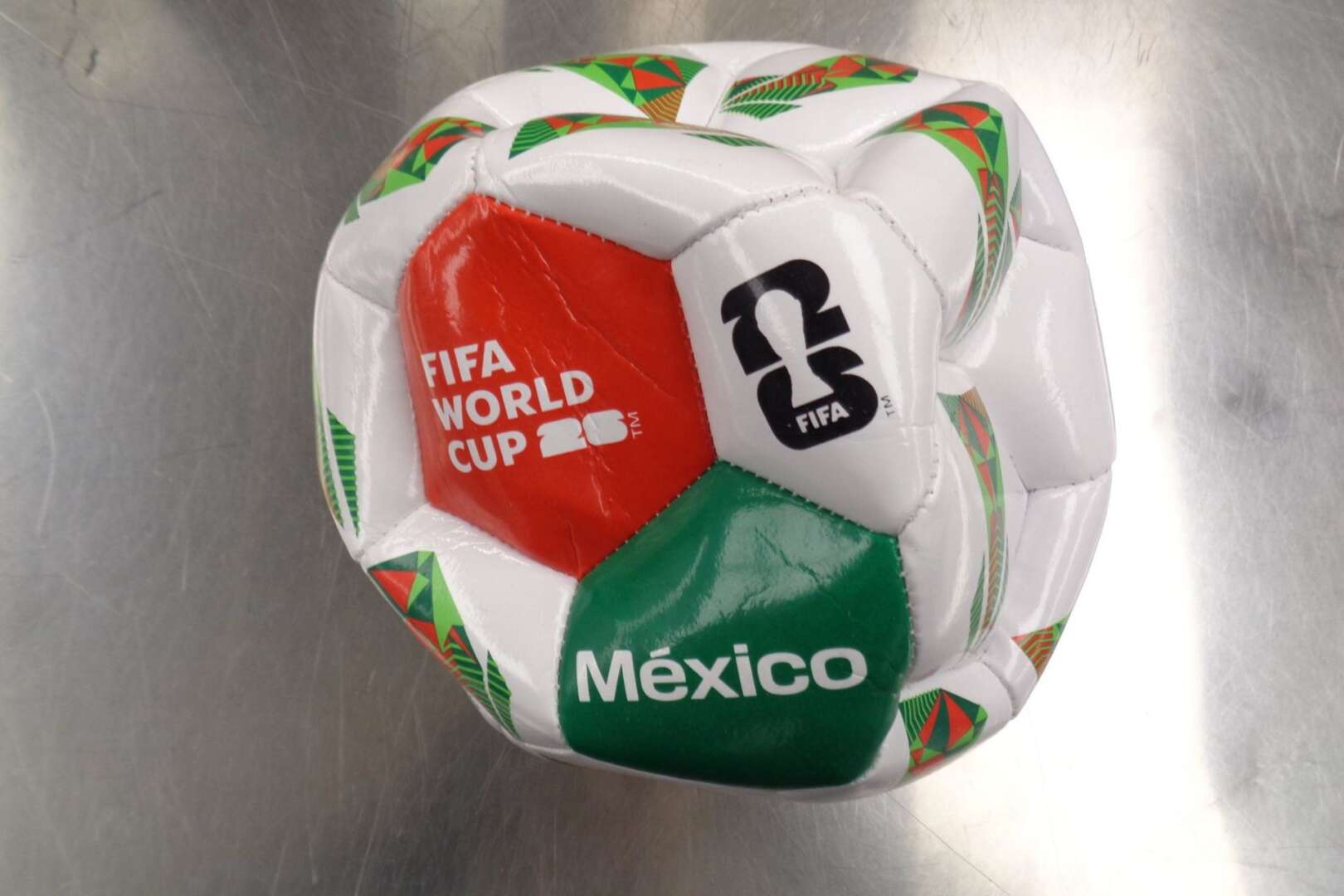
According to CBP, officers intercepted 68 shipments containing counterfeit jerseys, shirts, shorts, hats, footwear, and other World Cup-themed products. If the items had been authentic, they would have carried an estimated retail value exceeding $266,000. The operation comes as millions of soccer fans prepare for the 2026 FIFA World Cup, which is being co-hosted by the United States, Canada, and Mexico.
Why counterfeit World Cup merchandise remains a concern
Federal officials say counterfeit sports merchandise creates risks that extend beyond trademark violations. Fake products can deceive consumers, harm legitimate businesses, and generate revenue for criminal organizations involved in counterfeit trade.
According to CBP, counterfeiters often increase production before major sporting events because demand for licensed apparel and collectibles rises sharply. The agency said sports fans frequently purchase jerseys and memorabilia online, making e-commerce an attractive channel for counterfeit sellers. Officials also warned that counterfeit merchandise often lacks the quality standards consumers expect from officially licensed products.
Cincinnati Port Director Eric Zizelman said criminals routinely exploit global sporting events to profit from unsuspecting consumers. He said counterfeit merchandise ultimately hurts legitimate manufacturers, retailers, sports organizations, and fans who believe they are purchasing authentic products.
According to CBP, the Cincinnati operation resulted in the seizure of:
- More than 2,500 counterfeit FIFA World Cup items
- 68 intercepted international shipments
- Jerseys, shirts, shorts, hats, footwear, and related merchandise
- More than $266,000 in estimated retail value if authentic
Counterfeit World Cup merchandise seizures are happening nationwide
The Cincinnati operation represents only one part of a broader federal enforcement effort ahead of the World Cup.
According to Homeland Security Today, CBP officers in Houston and Galveston recently confiscated more than $6 million worth of counterfeit FIFA merchandise during a separate intellectual property enforcement operation. Those seizures included thousands of soccer jerseys, soccer balls, athletic shoes, counterfeit electronic accessories, toys, and other products bearing unauthorized FIFA trademarks. Most of those shipments originated in China.
Meanwhile, FOX Local reported that CBP officers in Indianapolis seized 1,578 counterfeit World Cup items during another June enforcement campaign. That operation intercepted jerseys, shirts, beanies, and other merchandise with an estimated retail value exceeding $134,000 if genuine. Officials said those shipments largely originated from Hong Kong.
The multiple operations illustrate CBP’s nationwide strategy to reduce counterfeit goods entering U.S. markets before one of the world’s largest sporting events. Officials routinely increase enforcement efforts before high-profile events such as the Super Bowl, World Series, and FIFA World Cup because counterfeit activity typically spikes during periods of high consumer demand.
How consumers can avoid counterfeit World Cup merchandise
CBP encourages shoppers to purchase merchandise only from trusted retailers and official license holders. While counterfeit products may appear similar to authentic merchandise, they often feature poor-quality materials, inaccurate logos, and unauthorized branding.
Federal officials recommend consumers:
- Buy directly from official retailers or licensed sellers.
- Be cautious of prices that seem unusually low.
- Review seller information before completing online purchases.
- Avoid websites that lack contact information or secure payment options.
- Report suspected counterfeit goods to the appropriate authorities.
CBP also noted that more than 90% of counterfeit seizures occur within international mail and express shipping environments, reflecting the continued growth of online shopping and cross-border e-commerce. As counterfeit sellers increasingly rely on small-package shipping, inspectors continue expanding enforcement efforts at major ports of entry, including Cincinnati.
The Cincinnati Port of Entry plays a significant role in protecting intellectual property rights because it processes millions of imported packages annually. Recent seizures involving counterfeit luxury watches, designer accessories, and now World Cup merchandise demonstrate the port’s continuing role in combating international counterfeit trafficking before products reach American consumers.
As preparations continue for the 2026 FIFA World Cup, CBP officials say enforcement operations like Operation Protect the Pitch will remain an important part of protecting consumers, licensed businesses, and the integrity of one of the world’s largest sporting events.
FAQs
What is Operation Protect the Pitch?
Operation Protect the Pitch is a U.S. Customs and Border Protection enforcement initiative focused on stopping counterfeit FIFA World Cup merchandise from entering the United States before the 2026 tournament. The operation targeted international shipments arriving through ports of entry across the country.
What counterfeit items were seized in Cincinnati?
CBP officers confiscated more than 2,500 counterfeit items, including jerseys, shirts, shorts, hats, footwear, and other FIFA World Cup-themed merchandise. Officials estimated the goods would have been worth more than $266,000 if they had been genuine.
Why does CBP target counterfeit World Cup merchandise?
Counterfeit goods violate intellectual property rights and can mislead consumers into purchasing unauthorized products. According to CBP, profits from counterfeit merchandise may also support criminal organizations and harm legitimate businesses and trademark owners.
How can consumers avoid buying counterfeit FIFA merchandise?
CBP recommends purchasing World Cup merchandise only from official retailers and licensed sellers. Shoppers should be cautious of unusually low prices, verify seller information, and avoid websites that lack secure payment methods or contact details.