
Share This Article
Article Summary
U.S. Sen. Bernie Moreno has threatened to pursue federal funding cuts for Cincinnati over the city’s Office of Economic Inclusion, arguing the office conflicts with the Trump administration’s approach to diversity, equity, and inclusion programs. Mayor Aftab Pureval defended the office, saying it promotes fair access to city contracting opportunities while complying with applicable laws. No federal agency has announced plans to suspend or withdraw funding from Cincinnati, and the dispute remains a political and policy disagreement.
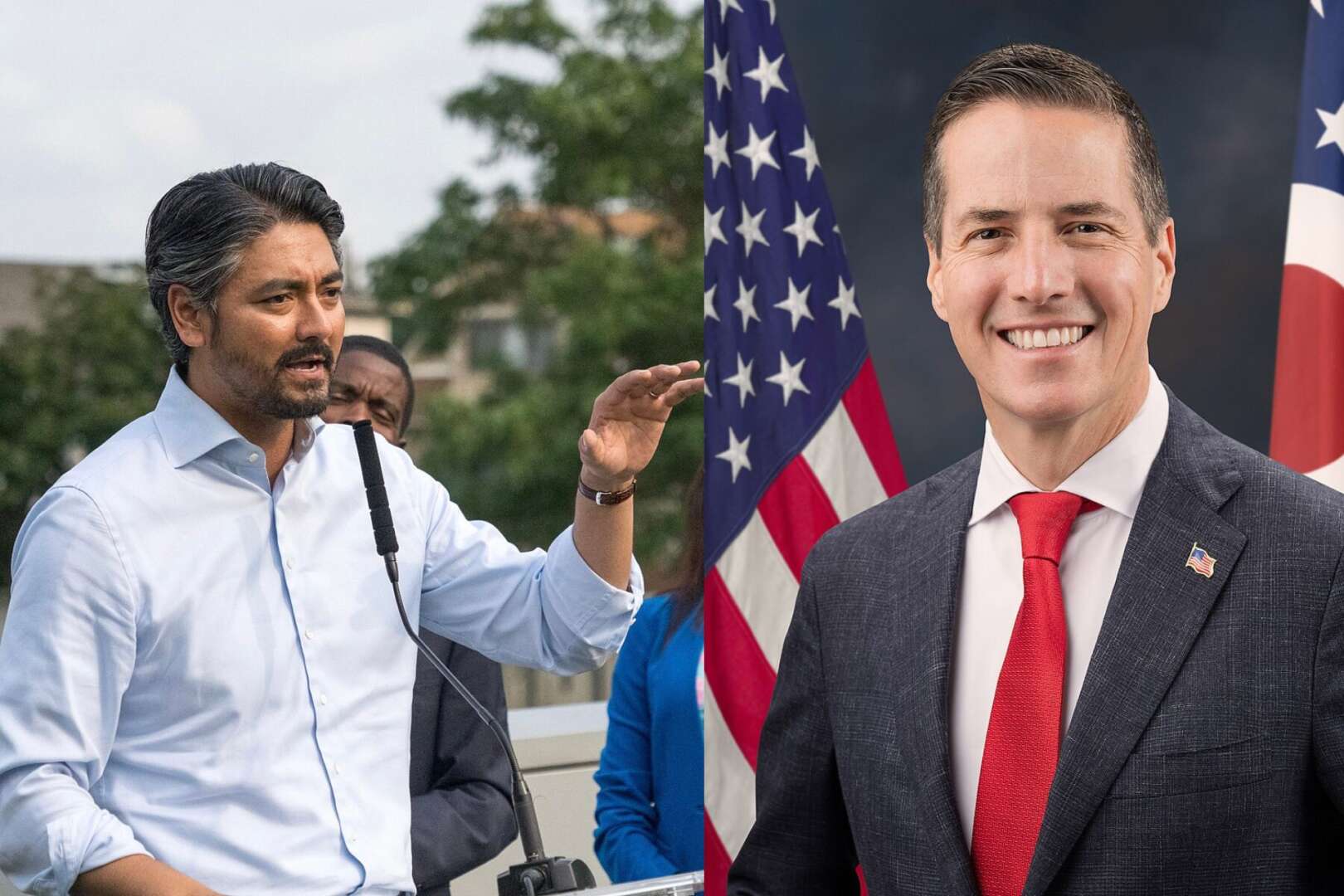
Cincinnati Mayor Aftab Pureval defended Cincinnati’s Office of Economic Inclusion after U.S. Sen. Bernie Moreno threatened to pursue federal funding cuts over the city’s diversity-related programs.
Pureval said the office exists to ensure businesses have fair access to city contracting opportunities and operates within applicable federal and state laws.
Moreno argued that the Office of Economic Inclusion conflicts with the Trump administration’s policies on diversity, equity, and inclusion (DEI) initiatives. According to the Cincinnati Business Courier, the Republican senator warned he would seek to eliminate federal funding for Cincinnati unless the city changed its approach.
The exchange has drawn attention because Cincinnati receives millions of dollars in federal grants that support transportation, housing, infrastructure, economic development, and public safety projects. Despite Moreno’s comments, no federal agency has announced plans to suspend or terminate funding for the city.
Cincinnati funding dispute centers on economic inclusion
Moreno’s criticism focuses on Cincinnati’s Office of Economic Inclusion, a city department responsible for expanding participation in public contracting opportunities. The office works with minority-owned, women-owned, and disadvantaged businesses by providing certification assistance, outreach, and compliance monitoring for city-funded projects.
City officials say the office focuses on outreach, certification, and compliance efforts intended to expand participation in city contracting opportunities.
Cincinnati says the office helps qualified businesses understand procurement requirements and compete for public work under existing laws.
Pureval said Moreno’s characterization of the office does not reflect how it operates. According to statements reported by the Cincinnati Business Courier, the mayor said the city remains committed to creating fair opportunities while complying with all applicable federal and state laws.
Moreno argued that programs emphasizing diversity should not receive federal support under the administration’s interpretation of civil rights policies. His comments align with broader Republican efforts to reduce or eliminate government-supported DEI initiatives nationwide.
The senator’s threat does not immediately affect city finances. Congress appropriates most federal funding, while executive agencies administer grant programs under federal law.
No federal agency has announced plans to suspend or terminate Cincinnati funding.
How much Cincinnati funding depends on federal support
Federal funding represents an important part of Cincinnati’s annual capital investments. The city routinely receives grants supporting transportation improvements, neighborhood revitalization, affordable housing, environmental projects, and public safety initiatives.
Recent examples include:
- Transportation infrastructure improvements
- Road and bridge rehabilitation
- Affordable housing programs
- Community development projects
- Public safety grants
- Environmental and resilience initiatives
Many of these grants originate from agencies such as the U.S. Department of Transportation, Department of Housing and Urban Development, and the Department of Justice. Individual grants typically require cities to comply with federal regulations and grant conditions.
According to the City of Cincinnati, federal funding has helped finance major infrastructure investments throughout the city, including transportation improvements and neighborhood development projects. Local officials have emphasized that these investments support economic growth while reducing costs for local taxpayers.
Federal grants generally operate under statutory requirements, agency regulations, and grant agreements. Any attempt to terminate existing awards would typically follow those procedures rather than occur automatically because of a political statement.
Cincinnati funding debate reflects a broader national trend
The Cincinnati dispute mirrors similar debates unfolding across the United States. Since taking office, the Trump administration has directed federal agencies to review diversity, equity, and inclusion programs receiving federal support.
Several universities, municipalities, and nonprofit organizations have adjusted or renamed DEI offices while reviewing compliance with new federal guidance. Others have defended existing programs, arguing they promote equal access without violating civil rights laws.
Supporters of Moreno’s position argue taxpayer dollars should not support programs they believe favor particular demographic groups. They contend government contracting should remain strictly race-neutral.
Supporters of Cincinnati’s Office of Economic Inclusion argue the office expands competition by helping qualified businesses navigate procurement rules and comply with certification requirements. They say removing outreach programs could reduce opportunities for smaller businesses competing with established contractors.
The dispute comes as federal agencies continue reviewing DEI-related policies and Congress considers future appropriations.
What happens next in the Cincinnati funding dispute
For now, Moreno’s comments represent a political threat rather than an official federal action. No agency has announced plans to withhold grants from Cincinnati, and city operations continue without interruption.
Future developments could depend on several factors, including:
- Federal agency reviews of DEI-related programs.
- Congressional budget negotiations.
- Potential legal challenges involving federal grant authority.
- Any policy changes adopted by Cincinnati.
City officials have indicated they will continue operating the Office of Economic Inclusion while complying with applicable laws. Moreno has not publicly outlined specific legislative language or administrative actions that would immediately reduce Cincinnati’s federal funding.
Residents, contractors, and local organizations that depend on federally supported projects will likely watch closely as the dispute develops. Any future funding decisions would likely involve multiple federal agencies and could face administrative or judicial review before taking effect.
FAQs
Why did Sen. Bernie Moreno threaten Cincinnati’s federal funding?
Moreno criticized Cincinnati’s Office of Economic Inclusion, arguing that its diversity-related initiatives conflict with the Trump administration’s policies on DEI programs. He said he would seek to eliminate or restrict federal funding unless the city changes its approach.
How did Mayor Aftab Pureval respond?
Pureval defended the Office of Economic Inclusion, saying it helps ensure qualified businesses have fair access to city contracting opportunities. He also said the city intends to continue complying with federal and state laws while supporting economic opportunity.
Has Cincinnati lost any federal funding?
No. As of now, no federal agency has announced that it is withholding, suspending, or terminating grants or other federal funding for Cincinnati. Moreno’s comments do not automatically change existing funding agreements.
What types of projects could be affected if federal funding were reduced?
Federal funding supports a wide range of city projects, including transportation improvements, affordable housing, infrastructure, public safety, and community development. Any changes to those funds would generally require action by the appropriate federal agencies and compliance with applicable laws and grant procedures.