



Share This Article
Article Summary
A federal lawsuit challenging Amazon’s proposed $4 billion data center in Wilmington, Ohio has moved toward resolution after both sides announced a tentative settlement during a hearing in U.S. District Court in Cincinnati. The case centers on homeowners’ objections to local zoning and noise ordinances approved for the project, and the settlement still requires final court action. If finalized, the agreement could remove a significant legal hurdle for one of Ohio’s largest proposed technology investments.
A legal challenge involving Amazon’s proposed $4 billion data center in Wilmington may be nearing an end after attorneys told a federal judge they reached a tentative settlement.
The agreement came after a hearing this week in the U.S. District Court in Cincinnati.
The lawsuit was filed by homeowners who live near the proposed development site and opposed city ordinances that cleared the way for the project. The settlement remains subject to final approval and additional court action before the case can be formally dismissed.
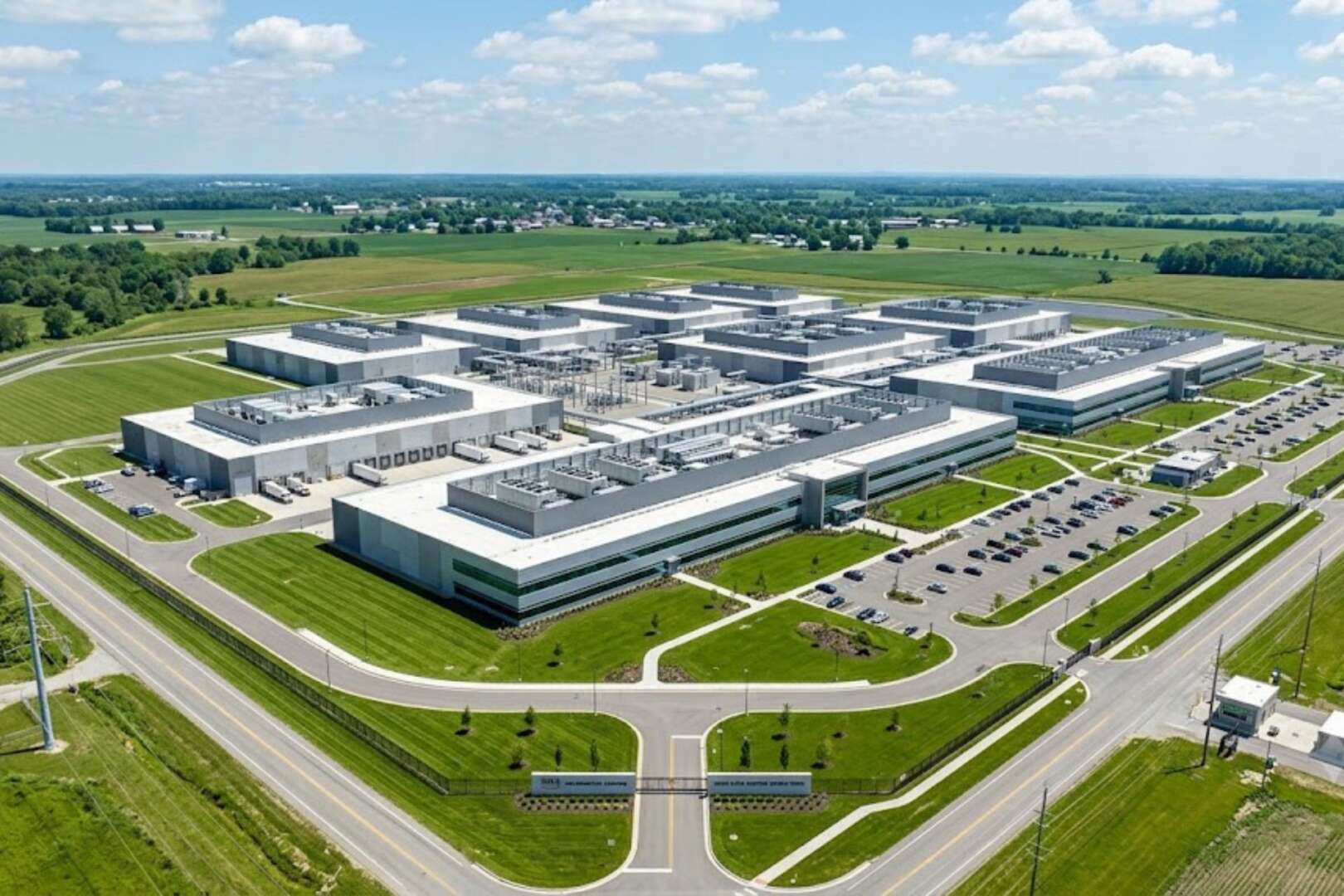
The proposed project would transform a 472-acre property into a massive cloud computing campus covering about 1.9 million square feet. Amazon has not publicly announced a construction schedule, and the tentative agreement does not guarantee immediate development. Instead, it pauses a legal dispute that had created uncertainty over the project’s future.
According to WLWT, attorneys representing both sides informed U.S. District Judge Matthew McFarland that they had reached a tentative agreement following arguments presented in federal court. The judge paused further proceedings while the parties finalize the settlement. The Cincinnati Enquirer also reported that negotiations continued as both sides worked toward resolving the dispute outside of a court ruling.
Ohio data center lawsuit challenged city approvals
The Ohio data center lawsuit began after Wilmington City Council approved zoning and noise ordinances to support the proposed Amazon campus.
Homeowners living next to the former farm argued that the city’s legislative actions would significantly affect nearby neighborhoods. The plaintiffs contended that the project would create excessive noise, alter the rural character of the area, and negatively affect their properties. They also questioned whether city officials properly adopted the ordinances.
The homeowners are represented by attorneys J.P. Burleigh and Sean Suder of the Cincinnati law firm Suder LLC. During the federal proceedings, they challenged the legality of the city’s approvals rather than Amazon’s business operations themselves.
City officials defended the ordinances, arguing they complied with Ohio law and were necessary to support economic development. Wilmington leaders have repeatedly promoted the proposed campus as one of the largest private investments in the city’s history.
The lawsuit did not seek damages from Amazon. Instead, it focused on whether the local approvals should remain in place.
Amazon project could reshape Wilmington economy
If completed, the Amazon campus would rank among the largest private technology investments announced in Ohio in recent years.
Large cloud computing facilities require extensive electrical infrastructure, water systems, fiber connectivity, and backup power generation. While they often employ fewer permanent workers than manufacturing plants, they generate significant construction activity and increase local tax revenue.
Local officials have argued that the project could bring long-term economic benefits, including:
- Construction employment during multiple building phases.
- Increased demand for local contractors and suppliers.
- New property tax revenue.
- Infrastructure improvements supporting future development.
Supporters also believe the project could strengthen Wilmington’s position as a growing logistics and technology hub because of its proximity to Interstate 71, Interstate 75, and regional transportation networks.
Amazon has continued expanding its cloud infrastructure nationwide to support Amazon Web Services (AWS), artificial intelligence workloads, and growing demand for cloud computing capacity.
Ohio data center lawsuit reflects broader growth challenges
The Ohio data center lawsuit highlights a growing issue facing communities across the United States as technology companies expand rapidly.
Several states have experienced similar disputes involving data center development. Residents often support economic investment while raising concerns about noise, electricity consumption, water use, traffic, and land use changes.
According to the U.S. Department of Energy, data centers account for a growing share of national electricity demand as cloud computing and artificial intelligence continue expanding. Federal officials have warned that electricity consumption from data centers could increase substantially during the coming decade.
Industry analysts also note that hyperscale facilities require careful coordination between utilities, local governments, and developers to ensure infrastructure keeps pace with demand.
Ohio has attracted increasing interest from major technology companies because of its central location, competitive utility infrastructure, and available industrial land. Existing data center investments by Amazon, Google, Microsoft, and Meta have helped position the state as one of the Midwest’s fastest-growing digital infrastructure markets.
What happens next in the Ohio data center lawsuit
The tentative settlement means the litigation is not yet over.
Court filings still must formalize the agreement before the federal case can be dismissed. Neither side has publicly released the settlement terms, and court records have not indicated whether any zoning conditions or operational requirements will change.
Amazon has also not announced whether the legal resolution will affect its construction timeline.
For Wilmington officials, resolving the dispute could remove one of the largest legal obstacles facing the proposed development. However, the project will still require continued coordination among local government, utilities, contractors, and regulatory agencies before construction advances.
The case also illustrates how large technology projects increasingly require balancing economic development with neighborhood concerns. Communities across Ohio continue weighing the benefits of attracting billion-dollar investments while addressing residents’ questions about environmental impacts and quality of life.
Also read:
DeWine pauses data center tax breaks amid growing scrutiny in Ohio