
Share This Article
Article summary
The Cincinnati Planning Commission approved updated redevelopment plans for The Banks, advancing a long-term mixed-use expansion along the downtown riverfront. The proposal includes residential buildings, retail space, offices, hotels, entertainment venues, parking facilities, and new public gathering areas between Paycor Stadium and Great American Ball Park. Developers said construction would occur in phases over more than a decade. City officials and development partners said the project aims to increase housing, business activity, and pedestrian access along the Ohio River.
The Banks’ development plan adds new housing, retail, and public spaces along Cincinnati’s riverfront.
The development project for The Banks received approval from the Cincinnati Planning Commission for a large-scale expansion that will add residential buildings, retail space, entertainment venues, offices, and new public amenities over the next decade.
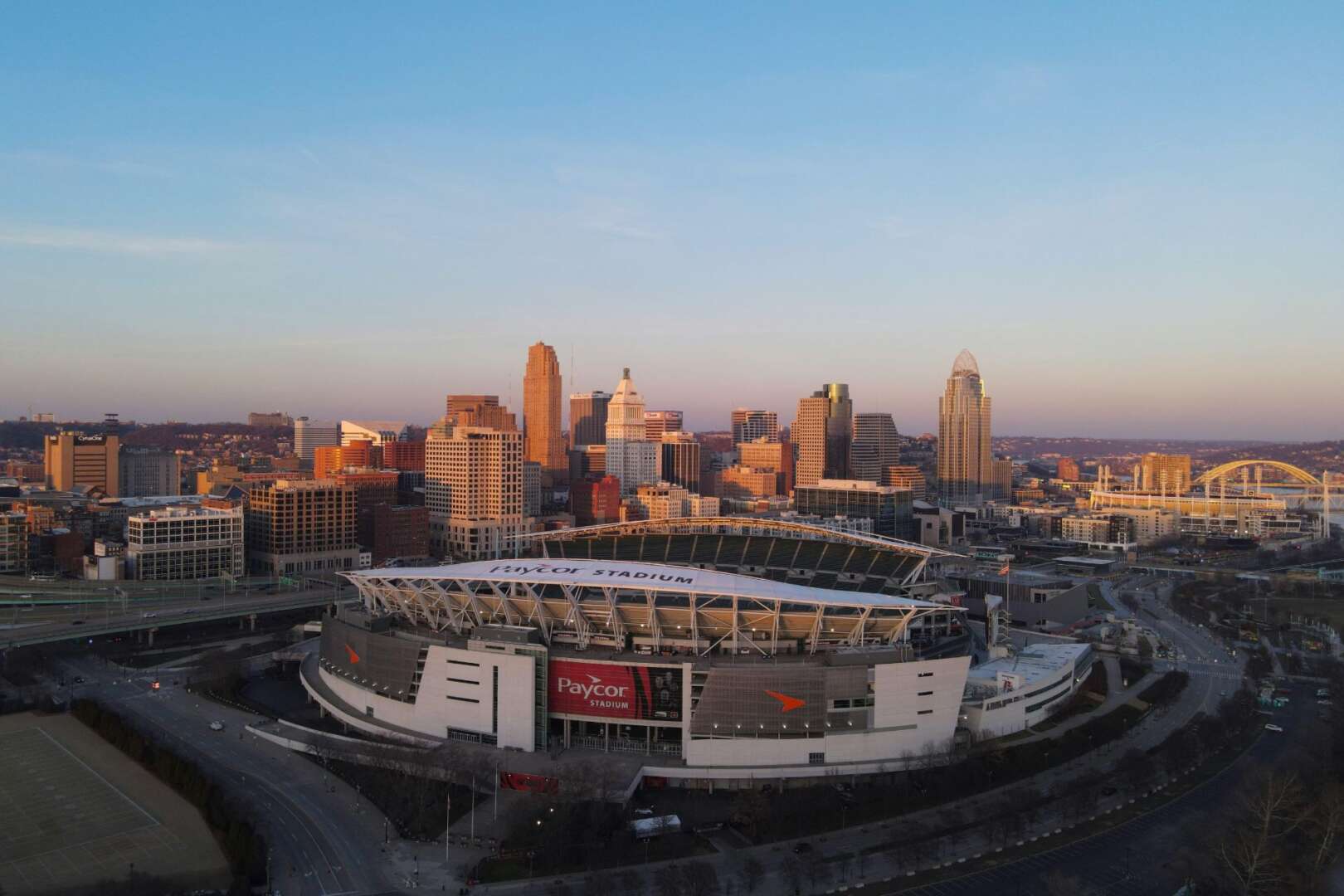
The Cincinnati Planning Commission approved updated plans for The Banks development during a May 15 meeting, advancing one of downtown Cincinnati’s largest riverfront redevelopment efforts. City officials and development partners said the project will reshape multiple vacant parcels between Paycor Stadium and Great American Ball Park with new mixed-use construction designed to increase housing, business activity, and pedestrian access.
According to reporting from WLWT, the updated master plan covers five major development sites and includes proposals for apartments, restaurants, hotels, structured parking, office space, and expanded riverfront attractions. Developers also proposed a marina district and additional public gathering areas as part of the long-term vision for the site.
The Banks development has remained a centerpiece of Cincinnati’s waterfront revitalization strategy since construction began in 2008. The district already includes residential buildings, bars, restaurants, entertainment venues, and access to Smale Riverfront Park. Officials said the newest expansion intends to continue that growth while connecting downtown neighborhoods more closely to the Ohio River.
The Banks’ development focuses on mixed-use growth
Project leaders said The Banks’ development will prioritize walkability and year-round activity. Planning documents presented to the commission showed wider sidewalks, pedestrian corridors, new storefronts, and public plazas integrated into future construction phases.
Officials involved in the redevelopment said the project aims to create a denser urban neighborhood rather than a district focused only on sporting events. The updated proposal includes a combination of residential units and commercial activity intended to support businesses throughout the week.
According to project materials presented to the commission, early phases could begin within one to four years.
Larger construction activity could continue for more than a decade depending on financing, market demand, and infrastructure work.
The Banks Public Partnership oversees the redevelopment effort. The partnership includes:
- The City of Cincinnati
- Hamilton County
- The Cincinnati Reds
- The Cincinnati Bengals
- Riverfront development agencies
Consulting firms involved in the planning process include Perkins & Will, MKSK, Kolar Design, HR&A Advisors, and Nelson Nygaard.
City leaders said the proposal reflects years of planning discussions surrounding unused parcels that remained undeveloped after earlier construction phases. Several officials noted that the remaining riverfront land represents one of the city’s last major opportunities for large-scale downtown growth.
Cincinnati riverfront leaders support The Banks development
Local officials and business leaders praised the approval as a major step for the Cincinnati riverfront. Supporters argued that additional housing and commercial activity could strengthen downtown tourism, increase tax revenue, and attract new residents.
According to Cincinnati Business Courier, planners envision future development that blends entertainment, hospitality, office space, and residential living into a single connected district. Officials also discussed improving public access to the waterfront and expanding transportation connections near the stadium corridor.
The Planning Commission approval does not immediately authorize full construction. Developers must still complete additional design reviews, financing approvals, infrastructure planning, and permitting requirements before major building activity begins.
Some residents and urban planning advocates raised questions about traffic management, parking capacity, and affordability. Others asked city leaders to ensure that public spaces remain accessible as more private development moves into the area.
Officials said transportation planning remains a major part of the proposal. Consultants continue studying pedestrian traffic patterns, transit access, and parking needs as the district expands. The development team also emphasized connections between downtown, the riverfront parks, and nearby entertainment venues.
The city has increasingly focused on mixed-use projects in recent years as officials attempt to increase downtown residential density. New apartment construction, hotel projects, and entertainment investments have accelerated across several downtown neighborhoods following post-pandemic recovery efforts.
The Banks development remains one of the most visible examples of that strategy because of its location between Cincinnati’s professional sports venues and the Ohio River waterfront.
The Banks development could reshape downtown Cincinnati
Urban development experts said the next phase of The Banks development may influence downtown growth patterns for years. Riverfront districts in cities across the country increasingly combine residential, retail, entertainment, and public spaces into single mixed-use neighborhoods.
Supporters of the project said Cincinnati’s riverfront still contains substantial untapped potential despite years of investment. Officials pointed to nearby attractions, stadium traffic, and tourism activity as reasons developers continue targeting the district for expansion.
The redevelopment could also create additional opportunities for restaurants, hospitality businesses, and entertainment operators seeking high-traffic locations near downtown venues.
According to the City of Cincinnati Department of City Planning and Engagement, large-scale urban redevelopment projects often require phased construction timelines because of infrastructure coordination, financing, and environmental review processes.
Developers have not released final tenant lists or detailed residential pricing information. Officials said additional updates will become available as each construction phase moves through approvals.
The Banks development previously transformed former industrial and surface parking areas into one of Cincinnati’s busiest entertainment districts. City officials said the newest proposal aims to continue that transition while expanding residential activity and strengthening the riverfront economy.
The project also aligns with broader redevelopment efforts occurring across downtown Cincinnati. Recent projects have focused on housing growth, adaptive reuse, public space improvements, and tourism-driven investment.
Banks Redevelopment Plan Update Seeks Finish Line for Riverfront Lots
FAQs
What did the Cincinnati Planning Commission approve?
The commission approved updated master plans connected to future development at The Banks. The proposal outlines new residential, retail, hospitality, office, and entertainment projects across several undeveloped parcels along the riverfront.
Where will the new development take place?
The project area sits between Paycor Stadium and Great American Ball Park in downtown Cincinnati. The redevelopment also connects to nearby riverfront attractions, including Smale Riverfront Park and existing entertainment districts.
What types of buildings are included in the proposal?
Plans include apartments, restaurants, retail storefronts, hotels, office space, parking structures, and public plazas. Developers also discussed future marina features and expanded pedestrian-friendly spaces.
When could construction begin?
Project leaders said some phases could begin within one to four years, depending on approvals and financing. Full buildout of the redevelopment plan may take more than a decade because of phased construction schedules and infrastructure work.