



Share This Article
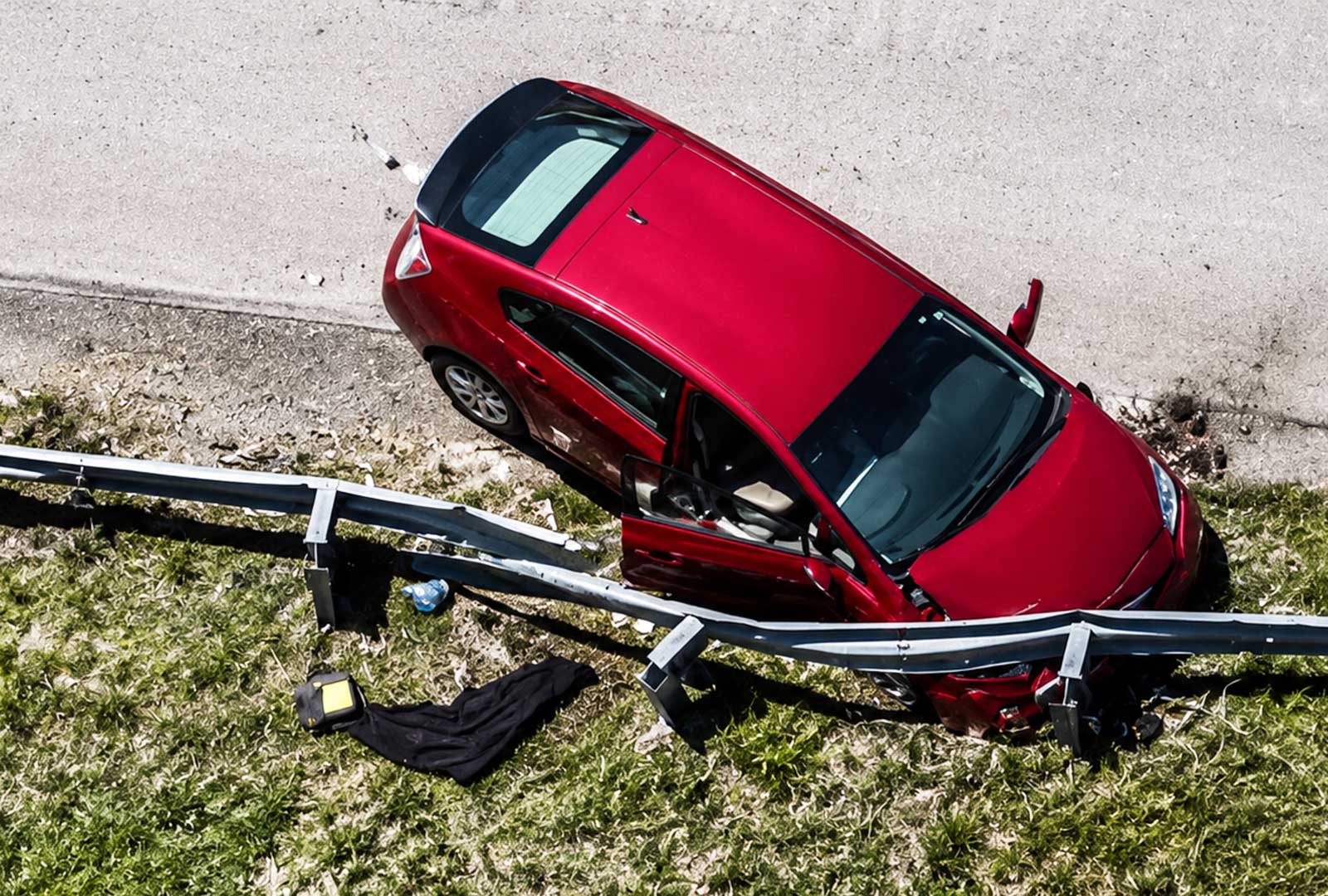
On May 21, 2026, a 22-year-old man was fatally shot in a vehicle on northbound I-71 near Stewart Road in Silverton, Cincinnati. Two other occupants survived. A red suspect vehicle fired at them, crashed into roadside fencing, and fled the scene, causing northbound I-71 to shut down for hours.
A 22-Year-Old Dead on I-71 — and Cincinnati’s Institutions Act Like It’s Just Another Tuesday
On May 21, 2026, a young man was fatally shot while riding northbound on I-71 near Stewart Road in Silverton.
Two others in the vehicle survived. The I-71 shooting in Cincinnati has captured the community’s attention. A red suspect vehicle crashed into roadside fencing before fleeing. The highway shut down for hours during rush hour. Hamilton County Sheriff’s investigators are on the case, but motive, suspects, and details remain thin. This isn’t just another tragedy. It’s a symptom of something deeper: Cincinnati’s failure to treat highway violence as a systemic public safety issue rather than a series of disconnected incidents. Notably, the I-71 shooting in Cincinnati raises urgent questions about public safety priorities.
The Data Gap Commuters Deserve to See
Cincinnati and Hamilton County do not appear to maintain or publish a dedicated public dashboard for highway-specific shootings on I-71, I-75, or other major routes. While the city tracks overall shootings (which dropped to a three-year low in 2025), there’s no easy way for residents to understand patterns on the interstates that thousands use daily: frequency, hotspots, time of day, or whether the same vehicles or crews keep appearing. Each incident starts from scratch. Commuters are left wondering if today’s shooting near Silverton is random, road rage, or part of something larger. Additionally, the I-71 shooting in Cincinnati is a stark reminder of this lack of data transparency in the region.
Institutional Response: Quick Cleanup, Slow Strategy
Authorities react efficiently to the immediate crisis — lanes close, evidence is collected, traffic is rerouted. Then the silence returns. No standing task force on highway violence, annual public report connecting these incidents across jurisdictions or visible push for better camera coverage, rapid ballistics sharing, or early-warning alerts on repeat threats.
This fragmentation isn’t unique to highways — Cincinnati has task forces for drugs, domestic violence, and general gun crime. But highway commuters seem to fall into a blind spot between city, county, and state agencies.
The Commuter’s New Normal
I-71 northbound near Stewart Road isn’t a back road. It’s a lifeline for workers heading to Blue Ash, Kenwood, Mason, and beyond. When violence spills onto it during daylight hours, it turns routine commutes into calculated risks.
Cincinnati has seen this before. In 2006, after a T.I. concert in Cincinnati, the rapper’s entourage was targeted during a rolling gun battle on Interstate 75. T.I.’s friend and assistant, Philant Johnson, was killed. The case became national news, but locally it also showed how quickly private disputes can spill onto highways used by everyone else.
That was nearly two decades ago.
The difference now is that highway shootings no longer feel like rare, shocking outliers. The latest fatal I-71 shooting near Stewart Road shut down a major commuter route for hours after a 22-year-old man was shot while riding in a vehicle. WLWT reported that the shooting happened around 1:30 p.m., with two other people inside the vehicle at the time.
The region has also watched highway gunfire become a broader threat beyond Cincinnati. In 2024, a gunman opened fire on motorists along Interstate 75 near London, Kentucky, wounding multiple people and triggering a large manhunt. That incident was not in Hamilton County, but it hit the same nerve: drivers trapped in ordinary traffic with nowhere to hide.
That is the part local leaders should not ignore. A highway shooting is not just a shooting with a different backdrop. It turns public infrastructure into a crime scene, strands commuters, drains police resources across jurisdictions, and leaves thousands of drivers wondering whether the next red brake light could put them in the wrong place at the wrong time.
For many Cincinnatians, the I-71 shooting in Cincinnati has redefined what “normal” means for local drivers and families. The question is whether public officials will treat it that way, or whether the highway simply reopens and everyone pretends the pattern is not there.
What Investigators Are Up Against
Physical evidence exists: the crashed red vehicle, ballistics, and possible surveillance from nearby businesses or ODOT cameras. But without a clear suspect description or motive, the case joins others in a backlog. The public often waits weeks or months for meaningful updates, if they come at all.
Cincinnati-Specific Context: This Shooting Fits a Broader Pattern
The I-71 shooting near Silverton is not Cincinnati’s first encounter with highway violence. Recent shooting incidents across Cincinnati and similar high-profile shooting cases in the region have created a pattern of isolated incidents treated as separate events rather than symptoms of a system failure. I-71 northbound is a critical commuter artery; a fatal shooting here exposes a vulnerability that extends beyond one day’s traffic disruption.
The Conversation We’re Not Having
This shooting should prompt harder questions: Should Hamilton County and ODOT create a public highway violence tracker? Do we need dedicated interstate patrols or better inter-agency data sharing? Why do these incidents rarely lead to broader prevention strategies? What’s less clear is whether anyone at the county or city level is asking these questions at all. Instead, the cycle repeats: tragedy, investigation, highway reopens, repeat. In fact, the I-71 shooting in Cincinnati highlights how urgent these conversations have become.
The gaps extend beyond coordination. Systemic failures in institutional response to violence have been documented in other contexts, and highway incidents appear to suffer from the same fragmentation. Evidence management challenges that plague investigations across the city likely affect highway cases, too. Yet no one connects these dots publicly.
Why Prevention Remains Invisible
Cincinnati has existing prevention initiatives, but none appear to address highway-specific violence with the same intensity applied to neighborhood shootings or domestic violence. Task forces exist. Resources exist. But the institutional machinery hasn’t been pointed at I-71.
Is This Fatal I-71 Shooting A Warning?
A 22-year-old lost his life on a busy Cincinnati highway. His family has permanent questions. The rest of us have a right to better than “thoughts and prayers plus business as usual.” The I-71 shooting in Cincinnati is a test case for whether this region can move from crisis to actual prevention.
Cincinnati’s overall gun violence trends have improved in recent years, which is real progress worth acknowledging. But isolated highway incidents expose a persistent gap: transparency and coordination lag behind the daily reality commuters face. Until local leaders connect the dots across incidents, agencies, and data, every new shooting will feel like a surprise instead of a preventable warning. That gap is where accountability disappears — and where the next victim waits.
Read More
Over-the-Rhine Shooting Near Grant Park Adds to Growing Violence Concerns
FAQs
What exactly happened in the I-71 shooting on May 21, 2026?
A vehicle traveling northbound on I-71 near Stewart Road in Silverton was hit by gunfire around the Ridge Avenue area. Three people were in the vehicle when it was struck. A 22-year-old man inside was shot and transported to UC Medical Center, where he was later pronounced dead. The other two occupants were not injured. A red vehicle believed to be connected to the incident was towed from the scene after crashing into fencing on the shoulder. The shooting remains under active investigation by the Hamilton County Sheriff’s Office.
Do authorities know who the shooter is or what motivated this attack?
As of the latest reports, law enforcement has not identified the suspect or suspects involved. The Hamilton County Sheriff’s Office stated they do not know how many people were in the suspect vehicle. No motive has been released at this time. The investigation is ongoing, and authorities are expected to release more details as they become available. Anyone with information about the shooting is encouraged to contact the Hamilton County Sheriff’s Office.
How long was I-71 closed, and how did this affect traffic in Cincinnati?
Northbound I-71 was shut down for several hours while investigators processed the scene near Stewart Road in Silverton. Traffic was diverted at Red Bank Road to minimize congestion during the investigation. The highway has since reopened to normal traffic flow. The closure significantly impacted commuters during what would have been evening rush hour, with drivers forced to use alternate routes through the area.
Is highway violence a recurring problem in Cincinnati?
This shooting adds to concerns about safety on Cincinnati’s highways. While each incident is investigated individually, the frequency of such violent incidents on major thoroughfares like I-71 has raised questions among residents and local officials about whether highway violence represents a broader pattern. The incident highlights the vulnerability of commuters and travelers who use Cincinnati’s interstate system daily. Community members and safety advocates continue to call for increased attention to these incidents and their prevention.
What challenges do investigators face in solving highway shooting cases?
Highway shootings present unique investigative challenges. Witnesses are often in moving vehicles and may not have clear views of suspect vehicles or occupants. The suspect vehicle can flee quickly, and identifying it among thousands of vehicles on the interstate is difficult. Evidence collection on a busy highway must be balanced against reopening the roadway. Additionally, without clear motives or suspect descriptions, investigators must rely on vehicle descriptions, surveillance footage, and tips from the public. The red vehicle towed from the scene may provide crucial forensic evidence.
What can drivers do to stay safe on Cincinnati highways?
While highway shootings remain rare, drivers can take precautions: remain aware of your surroundings, avoid confrontations with other drivers, keep doors locked and windows at safe levels, and report suspicious activity to police immediately. If you believe you’re being targeted or followed, drive to a police station or well-lit public area rather than stopping. Report any incidents with detailed descriptions of suspect vehicles, including color, make, model, and license plate if visible. Avoid aggressive driving behaviors that might provoke confrontations. If you witness a shooting or have information about this incident, contact the Hamilton County Sheriff’s Office.
How can the community help with the investigation?
The Hamilton County Sheriff’s Office is seeking information from anyone who witnessed the shooting or has details about the suspect vehicle. Dashcam footage from vehicles traveling on I-71 near Stewart Road around the time of the incident could be crucial. Anyone with information is encouraged to contact law enforcement through official channels. Tips can help investigators identify suspects, establish a motive, and potentially prevent future incidents. Community cooperation is essential in solving highway violence cases where witnesses are scattered and often don’t realize they may have observed important details.
This article was created with the support of our proprietary AI-powered newsroom tools and reviewed by our editorial team for accuracy and clarity.