



Share This Article
Article Summary
Cincinnati is continuing its solar redevelopment of the former Center Hill Landfill despite losing nearly $10 million in federal funding connected to the Solar for All program. The city plans to finance the project through municipal funding, federal tax incentives, and a partnership with UPower Energy. Officials expect the solar facility to generate enough electricity to support about 1,700 homes annually. Construction is currently projected to finish by early 2027.
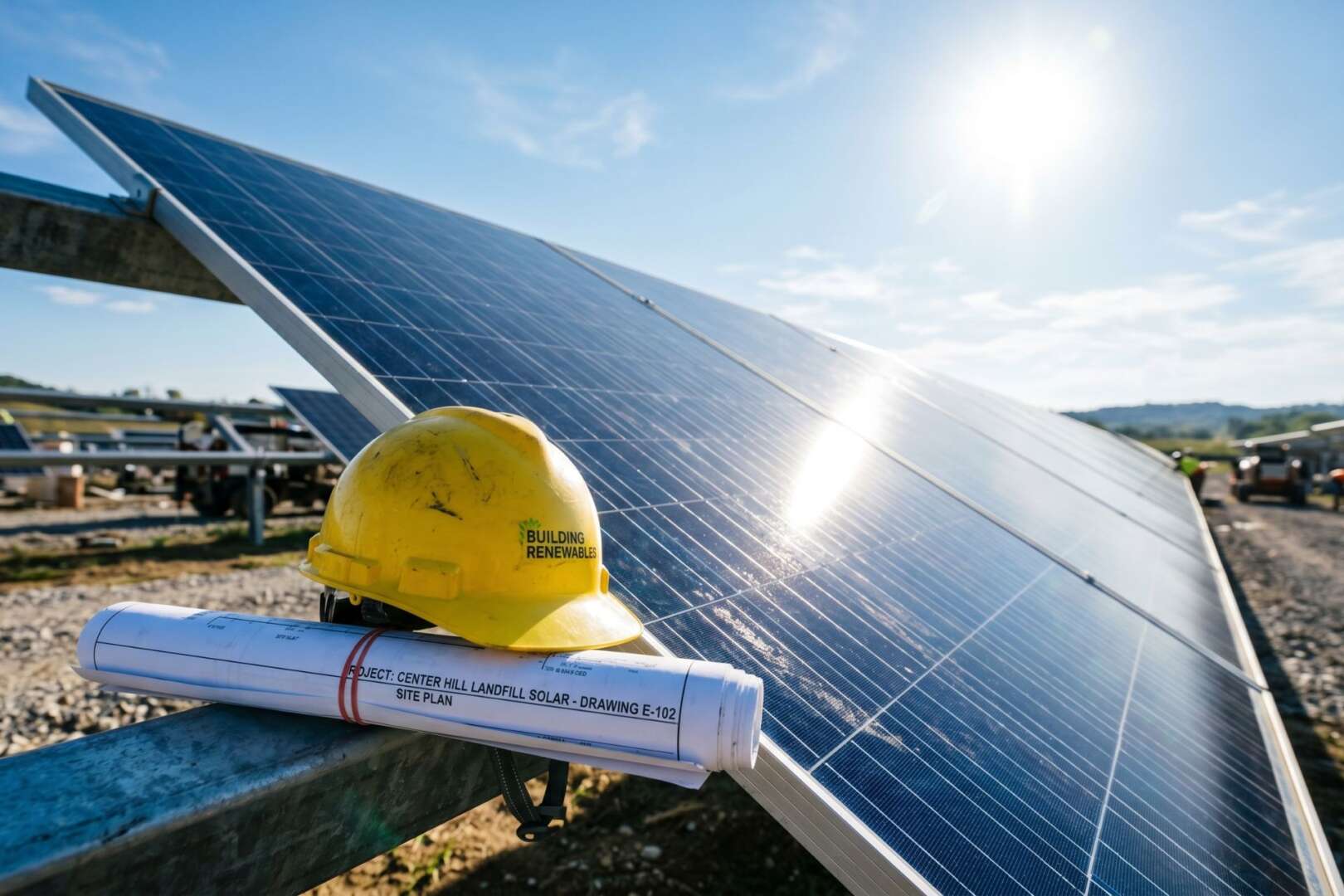
Cincinnati solar project advances on a former landfill site in Winton Hills.
The project leaders say the city will continue redevelopment plans despite losing nearly $10 million in federal support.
The City of Cincinnati is moving ahead with a major renewable energy redevelopment in Winton Hills after losing federal funding tied to a national clean energy initiative. Officials confirmed that the city still plans to transform the former Center Hill Landfill into a large-scale solar facility, even after the cancellation of grants connected to the federal Solar for All program.
The proposed solar development would convert a long-contaminated landfill into a renewable energy site capable of generating enough electricity to power thousands of homes. City leaders say the project represents one of Cincinnati’s largest climate infrastructure investments in recent years. According to reporting from WVXU, the solar array is expected to produce roughly 18.2 million kilowatt-hours of electricity annually.
The Center Hill Landfill operated for decades before closing in the 1990s. The site accepted industrial waste, household trash, and hazardous materials over several decades, leaving behind environmental concerns that limited redevelopment opportunities. Local officials now view solar infrastructure as one of the few practical ways to reuse the capped landfill safely.
City officials said the project remains on track for construction despite the funding setback. According to Smart Cities Dive, the city revised its financing plan after federal officials ended the Solar for All funding program earlier this year.
Cincinnati solar project survives federal cuts
The Cincinnati solar project originally relied on approximately $10 million from the federal Solar for All initiative. The program aimed to expand renewable energy access in underserved communities nationwide. However, federal policy changes under the Trump administration led to the termination of the program before Cincinnati received the expected funding.
Rather than canceling the redevelopment, city leaders approved an alternative financing structure. Officials said the city will combine municipal funding, clean-energy tax incentives, and private-sector partnerships to keep construction moving.
The updated financing plan includes:
- Roughly $12 million from Cincinnati’s capital improvement budget
- Federal renewable energy tax credits
- A partnership with Texas-based UPower Energy
- A long-term power purchase agreement for electricity generation
Under the agreement, UPower Energy will co-own part of the solar facility and sell electricity back to the city. Officials believe the arrangement will help stabilize municipal energy costs over time while reducing greenhouse gas emissions.
According to city estimates cited by WVXU, the completed facility could reduce annual emissions by about 16,000 metric tons. Officials also estimate the site could generate enough electricity to support approximately 1,700 homes each year.
The project aligns with Cincinnati’s broader climate goals. The city has expanded renewable energy investments in recent years through solar installations, energy efficiency programs, and sustainability initiatives tied to municipal operations.
The redevelopment also reflects a growing national trend of repurposing closed landfills for renewable energy projects. The U.S. Environmental Protection Agency’s RE-Powering America’s Land Initiative has encouraged local governments to transform contaminated land into renewable energy sites instead of leaving them unused.
Environmental concerns shaped the Cincinnati solar project
Residents near the landfill have raised environmental concerns for decades. Winton Hills community members have long questioned the health impacts of living near the contaminated site. Local advocates say redevelopment efforts should address both environmental damage and long-term economic investment in the neighborhood.
Community activist Obalaye Macharia told WVXU that the redevelopment could help transform a historically neglected property into productive infrastructure. Supporters of the project argue the solar installation represents environmental progress without disturbing the landfill’s protective cap.
The city plans to use a low-impact solar mounting system specifically designed for capped landfill sites. Engineers selected the technology to avoid deep drilling into contaminated areas beneath the surface. Officials said this approach reduces environmental risks while allowing construction crews to safely install solar panels across the property.
The project will also include pollinator-friendly vegetation surrounding portions of the site. City officials say native grasses and plants could improve stormwater management while supporting local ecosystems.
Environmental justice advocates have highlighted the location of the Cincinnati solar project because Winton Hills is a predominantly Black community that has historically faced industrial pollution and disinvestment. Supporters argue that renewable energy investment in the area could provide long-term environmental and economic benefits.
The redevelopment has also attracted attention from regional sustainability groups. According to reporting from Smart Cities Dive, local leaders believe the project could become a model for other Midwestern cities managing contaminated industrial land.
Landfill redevelopment expands across Ohio and the Midwest
The Cincinnati solar project reflects broader regional efforts to reuse former industrial sites for renewable energy production. Cities across Ohio and the Midwest have explored solar redevelopment on brownfields and landfills as demand for clean energy infrastructure increases.
Experts say capped landfills often provide suitable locations for solar arrays because the land cannot support most traditional development. Large open spaces and existing utility access also make these properties attractive for renewable energy projects.
According to the U.S. Department of Energy, community solar and municipal solar developments continue expanding nationwide as cities seek lower long-term energy costs and reduced carbon emissions.
Cincinnati officials say the landfill redevelopment could eventually support additional sustainability projects nearby. City leaders have discussed expanding renewable energy capacity and exploring future green infrastructure investments in surrounding areas.
The project also arrives as utility costs continue increasing nationwide. Municipal leaders believe locally generated renewable energy may help reduce long-term budget pressures tied to electricity expenses for city buildings and operations.
Several Cincinnati-area organizations have supported sustainability efforts in recent years. The city previously expanded solar investments through local climate initiatives and regional partnerships. Readers can also explore The Cincinnati Exchange’s previous coverage of Cincinnati sustainability programs and regional renewable energy development efforts.
Cincinnati solar project could become a long-term energy investment
Construction timelines for the solar facility remain subject to permitting and infrastructure work, but officials expect the project to become operational by early 2027. Once completed, the site could become one of the largest municipally connected solar projects in the Cincinnati region.
Supporters argue the redevelopment represents more than a renewable energy project. They say it demonstrates how cities can reuse environmentally damaged land while investing in long-term infrastructure improvements.
Critics of the federal funding cuts, however, argue the cancellation of Solar for All grants may slow similar projects nationwide. Some clean energy advocates warn that local governments could struggle to replace federal support for large renewable energy developments.
Even with those concerns, Cincinnati officials say the project remains financially viable. The city continues to position renewable energy investments as part of its broader economic and environmental strategy.
As planning continues, local leaders say the Cincinnati solar project could reshape how the city approaches former industrial properties in the future. Instead of leaving contaminated land unused, officials hope redevelopment efforts can create productive infrastructure that benefits surrounding communities for decades.
FAQs
Why is Cincinnati building a solar project on a landfill?
The former Center Hill Landfill has limited redevelopment options because of contamination concerns. City officials determined that solar infrastructure could safely reuse the capped property without extensive disturbance to hazardous materials beneath the surface.
What happened to the federal funding for the project?
The project initially expected nearly $10 million through the federal Solar for All initiative. According to multiple reports, the program was later terminated, forcing Cincinnati to revise its financing strategy.
How will the Cincinnati solar project be funded now?
The city plans to use capital improvement funding, renewable energy tax incentives, and a partnership with UPower Energy. Officials also approved a power purchase agreement that will allow the city to buy electricity generated by the facility.
When will the solar facility become operational?
City officials currently expect the project to begin operating by early 2027. Construction timelines may still depend on permitting, infrastructure work, and final site preparation.


