
Share This Article
Article Summary
Cincinnati leaders broke ground on a solar project in Winton Hills on April 17, 2026. The Center Hill Solar Array will generate up to 10 megawatts of electricity on a former landfill site. The project is part of the city’s renewable energy strategy and supports its goal of 100% clean energy for municipal operations by 2035. Construction is expected to finish by late 2027.
Cincinnati leaders launched a major solar project in Winton Hills this week.
The solar project marks a significant step in the city’s transition to renewable energy.
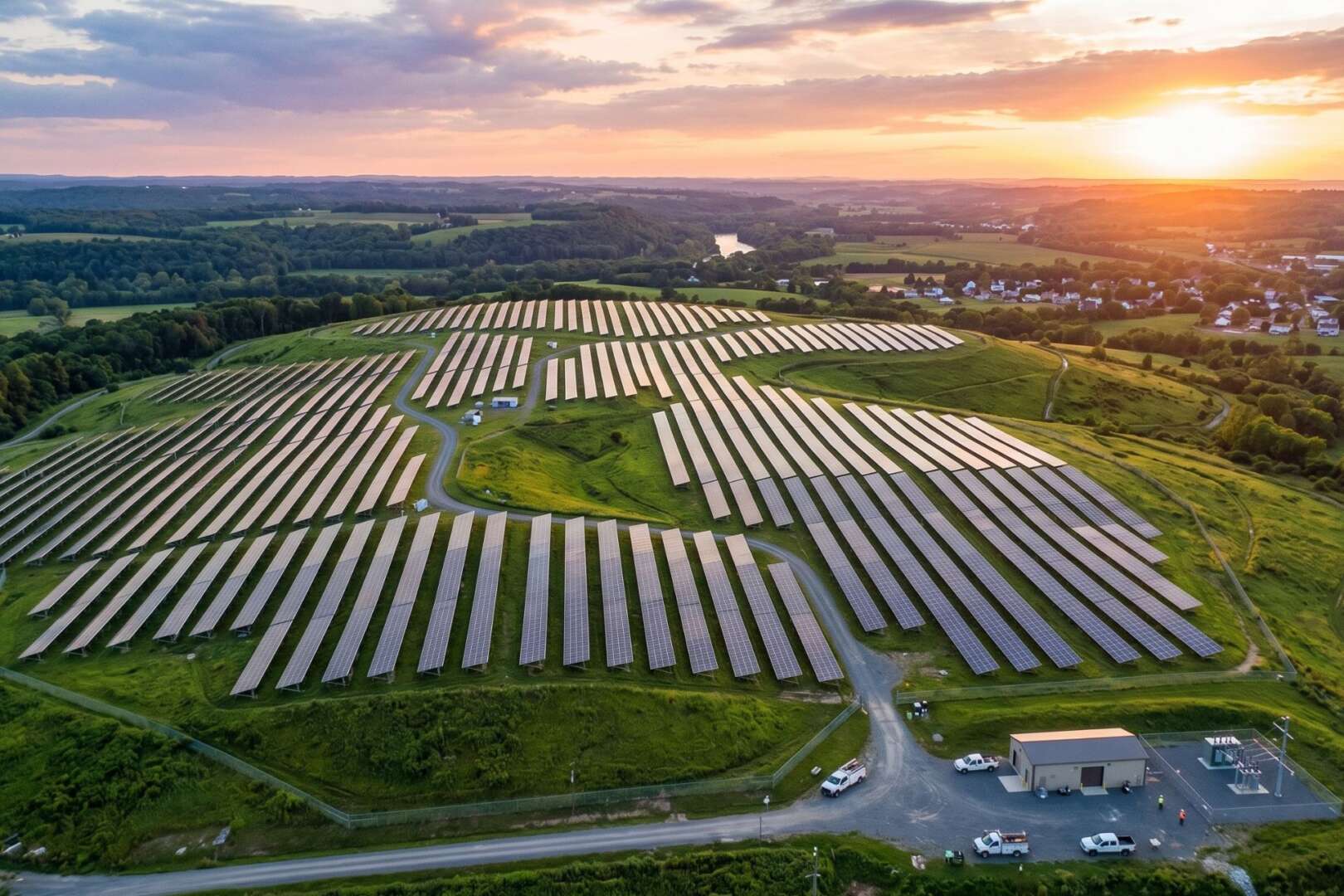
City officials, led by Aftab Pureval, broke ground on the Center Hill Solar Array on April 17, 2026, transforming a long-closed landfill into a clean energy site. The development sits in the Winton Hills neighborhood and represents one of the largest renewable energy investments in Cincinnati’s history.
According to reporting by WLWT and WVXU, the project will generate up to 10 megawatts of electricity once completed. Officials say the effort aligns with the city’s long-term climate and sustainability goals. The site had remained unused for years due to environmental limitations tied to its landfill history. Leaders now view it as an opportunity to produce energy without consuming new land.
Solar project turns landfill into energy hub
The solar project converts the former Center Hill landfill into a productive energy facility. City planners chose the site because landfill land often cannot support traditional development. Solar infrastructure, however, works well in such conditions and avoids disturbing capped waste areas. According to WVXU, the installation will consist of two separate five-megawatt solar arrays. The project is being developed in partnership with Texas-based UPower Energy.
Officials estimate the total cost at roughly $24 million. The system will supply electricity directly to city-owned buildings and operations. This approach allows Cincinnati to offset utility costs and reduce reliance on fossil fuels. The city expects the solar project to deliver long-term financial benefits, including millions in energy savings over time. Local leaders emphasized that the project also strengthens energy independence for municipal services.
Solar project supports climate goals
The solar project plays a key role in advancing Cincinnati’s environmental targets under the Green Cincinnati Plan. The plan aims to power all city operations with 100% renewable energy by 2035. It also sets a goal of cutting greenhouse gas emissions in half by 2030. Officials say projects like Center Hill are necessary to meet those benchmarks.
According to Solar Power World, landfill-based solar installations have gained popularity across the United States. These projects reuse otherwise unusable land while contributing to clean energy production. Cincinnati’s effort reflects a broader national trend of converting brownfield sites into solar farms. The Environmental Protection Agency has also promoted similar redevelopment strategies through its RE-Powering America’s Land initiative.
City officials highlighted several benefits tied to the solar project, including:
- Reduced greenhouse gas emissions
- Lower long-term energy costs
- Productive reuse of inactive land
- Increased resilience against energy price volatility
They also noted that the project helps protect residents from rising electricity costs by stabilizing municipal energy spending.
Community impact and local development
The solar project is expected to bring both environmental and economic benefits to the Winton Hills community. While the site itself will not host residential or commercial development, it contributes to neighborhood stability by improving land use. Officials say the project demonstrates how cities can responsibly manage former landfill sites.
Construction is already underway, with completion expected by late 2027. During the build phase, contractors will prepare the site, install solar panels, and connect the system to the grid. The city will monitor environmental safety throughout construction to ensure compliance with landfill regulations.
Local leaders also see the project as a model for future development. By converting underutilized land into clean energy assets, Cincinnati can expand its renewable portfolio without competing for space needed for housing or businesses. According to reports by WLWT, officials believe the Center Hill project could inspire similar initiatives across the region.
Regional and national context
The solar project in Winton Hills reflects a growing emphasis on renewable energy investments among U.S. cities. Municipal governments increasingly seek ways to reduce emissions while managing operational costs. Solar energy projects offer a scalable solution that can be adapted to different land types, including landfills and industrial sites.
According to the U.S. Environmental Protection Agency, landfill solar projects provide a dual benefit of environmental cleanup and energy production. These initiatives also reduce pressure to develop greenfield land. Cincinnati’s approach aligns with these federal recommendations and positions the city as a regional leader in sustainable development.
Other cities have launched similar projects, but Cincinnati’s scale makes it one of the more significant efforts in the Midwest. The 10-megawatt capacity places it among the largest municipal solar installations in Ohio. Officials say the project will serve as a benchmark for future clean energy initiatives in the region.
What comes next
City officials will continue to oversee construction and coordinate with energy partners as the solar project progresses. Once operational, the system will begin supplying renewable electricity to city facilities. Leaders plan to evaluate performance data and explore additional opportunities for expansion.
The project also connects to broader efforts to modernize infrastructure and improve environmental outcomes. Cincinnati has invested in multiple sustainability initiatives over the past decade, including energy efficiency upgrades and green infrastructure projects.
As construction moves forward, the Center Hill Solar Array stands as a visible example of how cities can turn environmental challenges into long-term assets. Officials say the project reflects a practical strategy for balancing economic, environmental, and community priorities.
FAQs
What is the Cincinnati solar project in Winton Hills?
The project is a solar energy installation built on the former Center Hill landfill. It will produce up to 10 megawatts of electricity for city use. Officials say it is the largest solar array in Cincinnati.
Why was a landfill chosen for the solar project?
Landfills cannot support most types of construction due to environmental restrictions. Solar panels can be installed without disturbing capped waste. This allows the city to reuse otherwise unusable land.
How will the solar project benefit Cincinnati?
The project will reduce greenhouse gas emissions and lower long-term energy costs for city operations. It also helps stabilize energy spending and reduces reliance on fossil fuels. Officials estimate millions in savings over time.
When will the solar project be completed?
Construction began in April 2026 following the groundbreaking. The project is expected to be completed by late 2027. Once finished, it will begin supplying power to city facilities.