



Share This Article
Article Summary
Heavy rainfall caused I-71 flooding that forced temporary lane closures in both directions of the interstate near Ridge Avenue and the Norwood Lateral on Friday. A Flash Flood Warning covered Hamilton and Clermont counties as floodwaters affected highways, neighborhood streets, and low-lying areas. Officials urged drivers to avoid flooded roads while the Ohio Department of Transportation monitored conditions and worked to reopen affected sections safely.
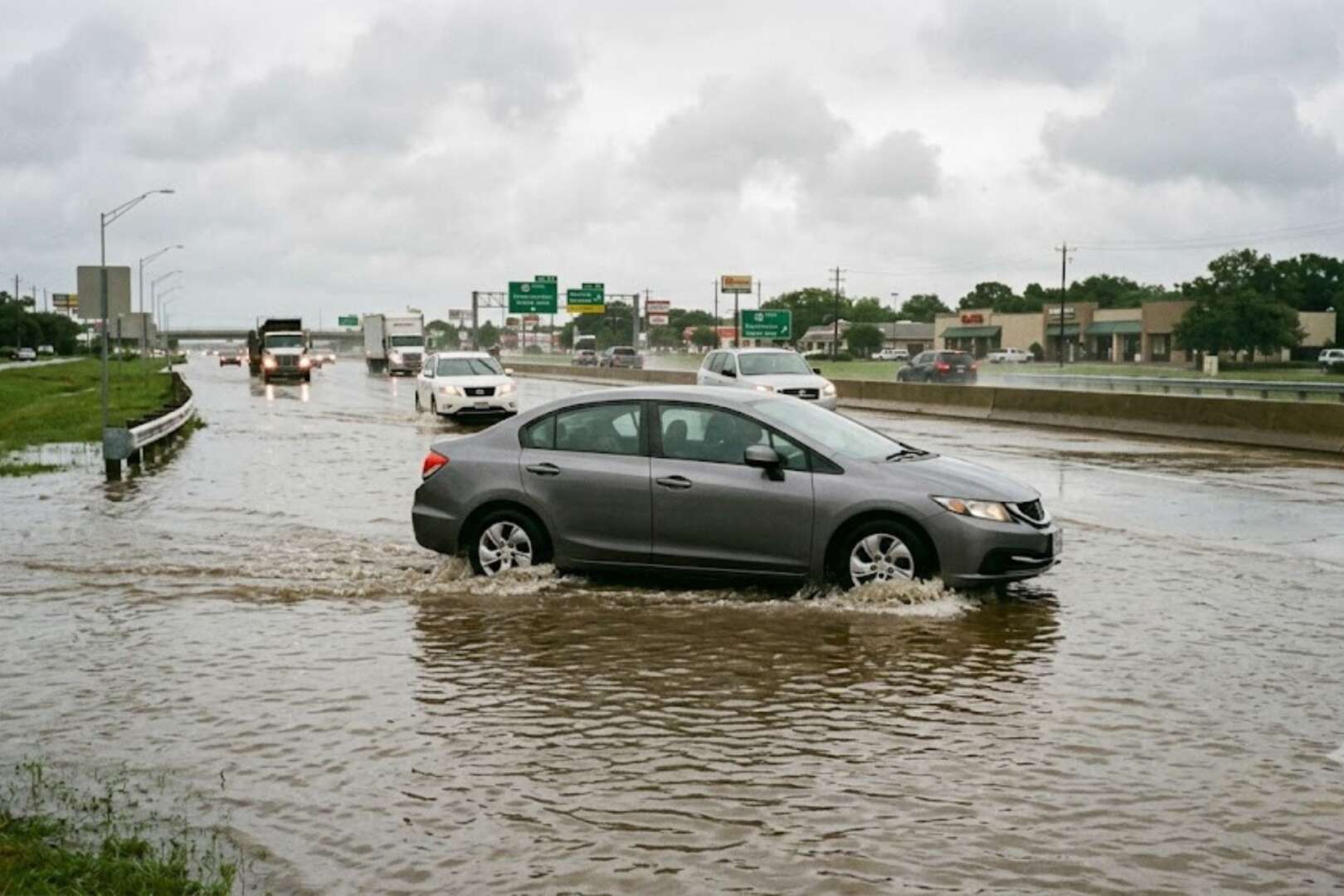
Heavy rainfall triggered widespread flooding across Greater Cincinnati on Friday evening, leaving several major roads underwater and disrupting travel during one of the busiest times of the day.
The Ohio Department of Transportation (ODOT) closed portions of Interstate 71 after floodwaters made the highway unsafe for motorists.
Emergency officials also issued a Flash Flood Warning for Hamilton and Clermont counties as storms moved through the region.
According to the National Weather Service, the warning remained in effect through Friday evening as excessive rainfall created dangerous flooding on roads, highways, and low-lying areas. Officials urged residents to avoid unnecessary travel and never drive through flooded roadways. The agency reminded drivers that only a small amount of moving water can carry away a vehicle.
I-71 flooding closes major sections of interstate
The most significant impacts occurred along Interstate 71, where floodwaters covered several lanes and forced temporary closures in both directions.
According to WCPO 9 News, I-71 South closed beyond Ridge Avenue and Kennedy Avenue after standing water made the roadway impassable. Northbound lanes also closed near the Norwood Lateral at Ridge Avenue as floodwaters spread across the interstate.
Traffic cameras operated by ODOT showed water covering portions of the highway, with vehicles slowing or stopping before crews closed affected sections. Motorists experienced lengthy delays while transportation officials worked to assess conditions.
ODOT advised drivers to:
- Avoid flooded highways and local streets.
- Follow posted detour signs.
- Check live traffic conditions before traveling.
- Allow extra travel time after heavy storms.
Road closures remained in place until crews determined the water had receded enough for safe travel.
I-71 flooding spreads beyond the interstate
Flooding extended well beyond Interstate 71 as heavy rainfall overwhelmed storm drains in several Cincinnati neighborhoods.
According to WCPO, high water affected roads in Norwood and Hyde Park, where residents shared photos and videos showing flooded intersections and vehicles navigating standing water. Several neighborhood streets became difficult or impossible to pass for a period of time.
Local emergency officials monitored conditions as rain continued across parts of Hamilton County. Areas with poor drainage and low-lying roads experienced the greatest flooding.
Flash flooding often develops quickly during intense summer thunderstorms because rainfall exceeds the capacity of stormwater systems. Urban areas face an increased risk because pavement prevents water from soaking into the ground.
The National Weather Service advises drivers to remember the safety slogan, “Turn Around, Don’t Drown,” when encountering flooded roads. Even shallow water can hide pavement damage or strong currents beneath the surface.
Flash flood warning remains critical during heavy rain
Meteorologists warned that localized rainfall rates were high enough to produce flash flooding in a short period.
The National Weather Service issued the Flash Flood Warning after radar indicated heavy rainfall across portions of Hamilton and Clermont counties. Officials warned that creeks, streams, highways, underpasses, and low-lying neighborhoods could flood rapidly.
According to weather officials, flash flooding can occur even after rainfall begins to decrease because runoff continues flowing into drainage systems and waterways.
Residents were encouraged to:
- Monitor local weather alerts.
- Stay away from flooded creeks and streams.
- Avoid walking through floodwaters.
- Move to higher ground if flooding threatens homes or businesses.
Emergency managers also reminded residents that nighttime flooding creates additional dangers because standing water is harder to see.
Regional news outlets report widespread flooding
Several Cincinnati media organizations reported on the flooding as storms moved across the region.
WCPO 9 News first reported that floodwaters forced lane closures on Interstate 71 and highlighted conditions in Norwood and Hyde Park. FOX19 NOW also covered the severe weather, reporting on flash flooding, road closures, and the National Weather Service warnings affecting Greater Cincinnati. Local television stations shared live traffic camera images and weather updates throughout the evening to help drivers avoid flooded areas.
The Ohio Department of Transportation continued monitoring interstate conditions while local police departments responded to flooded roadways throughout the region.
Transportation officials urged motorists to use caution even after roads reopened because debris, damaged pavement, or lingering water could remain.
What drivers should know after I-71 flooding
Floodwaters can damage road surfaces long after visible water disappears. Transportation officials inspect highways before reopening them to traffic to ensure travel conditions are safe.
Drivers should continue checking official traffic updates before beginning weekend travel. Conditions can change rapidly if additional storms develop or drainage systems remain overwhelmed.
Reliable sources for travel and weather information include:
- Ohio Department of Transportation (OHGO) for real-time traffic cameras, crashes, and road closures.
- National Weather Service Wilmington, Ohio, for watches, warnings, and updated forecasts.
- Local emergency management agencies for community-specific alerts.
Residents can also stay informed by following weather alerts on mobile devices and monitoring local news coverage during periods of heavy rainfall.
Also read:
Flood watch issued as heavy rain threat raises flooding concerns across Cincinnati
FAQs
Why did Interstate 71 close in Cincinnati?
Interstate 71 closed because heavy rainfall caused floodwaters to cover multiple lanes, making travel unsafe. The closures affected sections near Ridge Avenue, Kennedy Avenue, and the Norwood Lateral until water levels receded.
Which areas were affected by the flooding?
Flooding affected parts of Hamilton and Clermont counties, including Interstate 71, Norwood, and Hyde Park. Low-lying roads and areas with poor drainage experienced the most significant impacts during the heavy rainfall.
What should drivers do during flash flooding?
Drivers should avoid driving through flooded roads and follow posted detours or traffic advisories. Officials recommend checking road conditions through the Ohio Department of Transportation and monitoring weather alerts before traveling.
Which agencies provided updates on the flooding?
The Ohio Department of Transportation provided traffic updates and monitored highway conditions through OHGO. The National Weather Service issued the Flash Flood Warning and shared weather information, while local news outlets reported on road closures and neighborhood flooding.