



Share This Article
Article Summary
Cincinnati breweries continue adapting to changing consumer preferences by emphasizing taproom experiences, community events, and diversified beverage offerings. Despite a nationwide decline in craft beer production, many Greater Cincinnati breweries remain competitive by focusing on local customers and sustainable business models. Industry data from the Brewers Association and the Ohio Craft Brewers Association show that Ohio’s craft beer sector continues to support jobs, tourism, and small business growth across the state.
Cincinnati’s craft beer scene continues to demonstrate resilience in 2026 as local breweries expand taproom experiences, introduce new products, and strengthen community partnerships.
While the national craft beer industry experienced another year of declining production, breweries across Greater Cincinnati continue finding opportunities by focusing on local customers rather than large-scale distribution.
Industry groups say the region’s established brewing culture, tourism appeal, and neighborhood-based taprooms have helped many operators adapt to changing consumer habits. At the same time, rising operating costs, inflation, and increased competition from alternative beverages remain significant challenges for brewery owners. The result is a market that values quality, experience, and local loyalty over rapid expansion.
According to the Brewers Association, U.S. craft beer production declined 4 percent during 2025, while the number of operating craft breweries also fell. Despite those declines, craft beer continued outperforming the broader beer market, which posted even steeper volume losses. Nearly 40 percent of breweries still reported production growth, showing that well-positioned businesses continue finding success in a changing marketplace.
ALSO READ: Cincinnati brewery wins historic U.S. Open Beer Championship title
Cincinnati breweries benefit from strong local brands
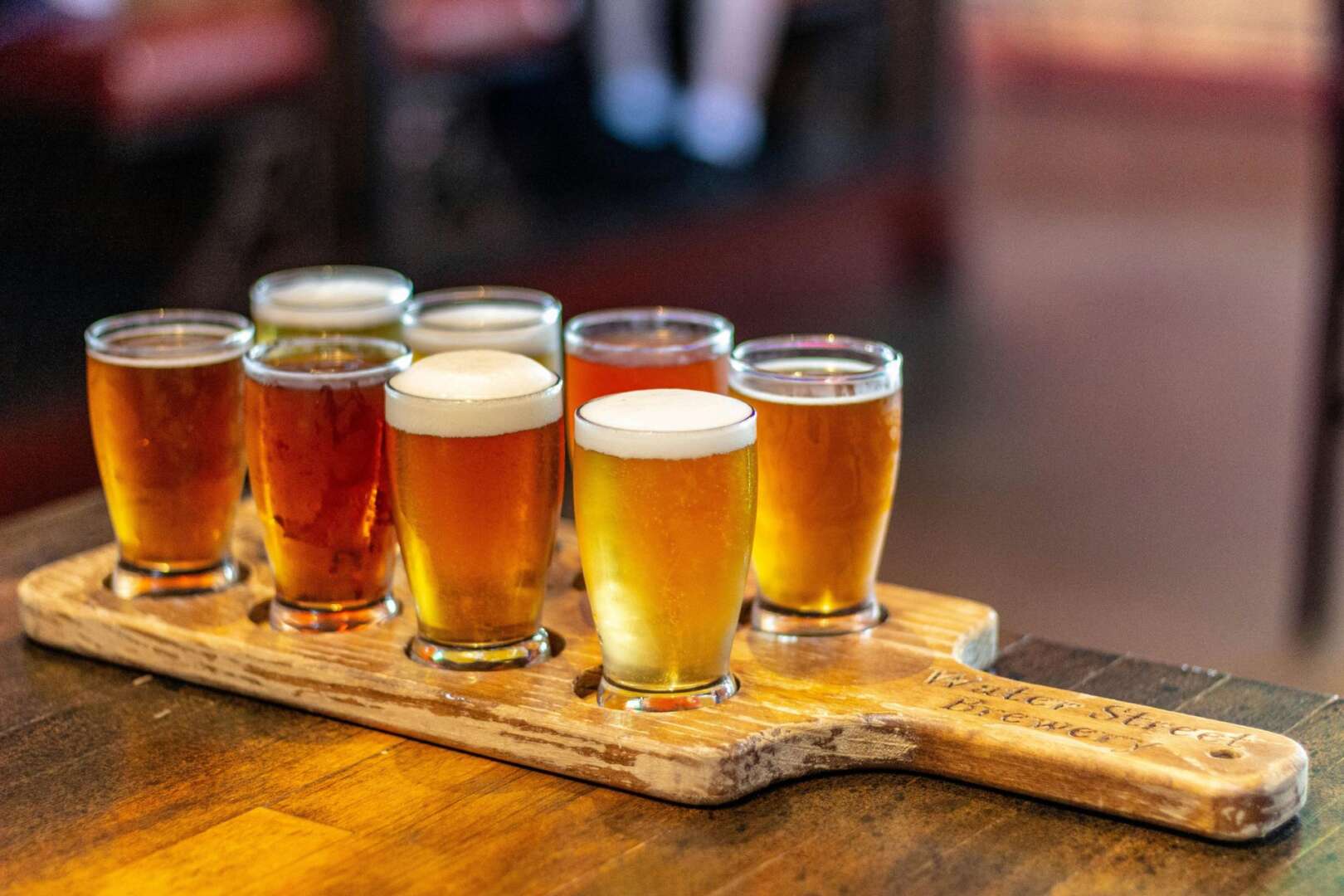
Greater Cincinnati has developed one of the Midwest’s strongest independent brewing communities over the past decade. Established breweries continue investing in taprooms, seasonal releases, live entertainment, and food partnerships that encourage customers to visit in person rather than purchase beer through retail channels.
The region also remains home to nationally recognized brands. According to the Cincinnati Business Courier, Garage Beer became Ohio’s largest craft beer company in 2026 and ranked 12th nationally by production volume. Cincinnati-based Rhinegeist also remained among the nation’s largest independent craft breweries despite moving lower in the national rankings as competition increased.
Industry observers say those companies demonstrate how Cincinnati breweries have matured beyond neighborhood operations into recognizable regional brands while maintaining strong local identities.
Several factors continue supporting brewery growth across Greater Cincinnati:
- Community-focused taprooms
- Seasonal and limited beer releases
- Food truck and restaurant partnerships
- Live music and special events
- Family-friendly outdoor gathering spaces
- Collaboration brews with neighboring breweries
Many breweries now generate a larger share of revenue from on-site experiences than wholesale beer sales, reflecting broader national changes across the craft beer industry.
Brewery growth trends emphasize experiences over production
The biggest brewery growth trends in 2026 involve hospitality rather than manufacturing alone.
Industry organizations report consumers increasingly choose breweries that provide complete social experiences instead of simply offering beer. Taprooms now regularly feature trivia nights, community fundraisers, outdoor festivals, sports watch parties, and local food vendors.
According to the Ohio Craft Brewers Association, production volume tells only part of today’s market story. The organization notes that inflation, labor expenses, higher ingredient costs, tariffs, and changing consumer spending habits continue pressuring breweries across the state. However, breweries with strong business models and community engagement remain well positioned for long-term success.
Ohio’s brewing industry also continues receiving national recognition through competitions and tourism initiatives.
Earlier this year, the Ohio Craft Brewers Association announced winners of the inaugural Ohio Beer Awards, with Cincinnati’s Wandering Monsters Brewing earning multiple medals among breweries recognized statewide.
The association says Ohio now has more than 430 breweries, placing it among the nation’s leading craft beer states while still leaving room for continued development in many communities.
Cincinnati breweries adapt to changing consumer tastes
Consumer preferences continue changing across the alcohol industry.
Many customers now rotate between traditional craft beer, hard seltzers, ready-to-drink cocktails, nonalcoholic beverages, and premium lagers instead of remaining loyal to one category. That shift has encouraged Cincinnati breweries to diversify product offerings.
Several breweries have expanded into:
- Nonalcoholic beer
- Hard seltzers
- Coffee beverages
- Cocktails where permitted
- Private event spaces
- Merchandise sales
Industry analysts say diversification reduces dependence on beer sales alone while attracting broader customer groups.
The Brewers Association reported that brewpubs and taprooms generally outperformed breweries focused primarily on distribution during 2025. Businesses generating more revenue from visitors than grocery store sales experienced greater stability despite slower overall industry growth.
Axios also reported that Ohio breweries have shown greater resilience than many national peers because operators continue emphasizing local brands, neighborhood engagement, and customer experiences rather than aggressive expansion into crowded retail markets.
Craft beer Ohio remains an important economic contributor
The craft beer Ohio industry continues supporting manufacturing, tourism, hospitality, agriculture, transportation, and small business development throughout the state.
According to the Ohio Craft Brewers Association, breweries contribute to local economic development by creating manufacturing jobs while attracting visitors to surrounding restaurants, retailers, and entertainment districts. The organization also promotes responsible consumption, workforce development, and statewide brewery tourism.
Industry experts expect brewery openings to remain slower than during the rapid expansion years of the previous decade. However, many believe future success will depend less on the number of breweries opening and more on sustainable operations and customer loyalty.
National media have echoed similar conclusions. The Washington Post recently reported that newer breweries increasingly prioritize neighborhood connections, smaller production, and hospitality experiences instead of rapid distribution growth. According to the publication, breweries succeeding today often focus on becoming gathering places within their communities rather than simply producing beer.
For Cincinnati consumers, that trend means neighborhood breweries will likely continue investing in taproom improvements, collaborative events, local partnerships, and specialty releases instead of pursuing large-scale production increases.
Local beer tourism also remains an important opportunity for Greater Cincinnati, where brewery districts continue attracting residents and visitors throughout the year.
FAQs
Why are Cincinnati breweries still growing despite national craft beer challenges?
Many Cincinnati breweries have shifted their focus from large-scale distribution to on-site taproom sales and customer experiences. Community events, food partnerships, and specialty releases have helped attract local visitors and maintain steady business.
What are the biggest craft beer trends in Ohio during 2026?
Ohio breweries are expanding beyond traditional beer by offering nonalcoholic beverages, hard seltzers, and hospitality-focused experiences. Many breweries are also investing in live entertainment, outdoor spaces, and private event rentals to diversify revenue.
How important is the craft beer industry to Ohio’s economy?
The craft beer industry supports manufacturing, hospitality, tourism, agriculture, and transportation across Ohio. Breweries also contribute to local economies by creating jobs and attracting visitors to nearby restaurants and businesses.
Which Cincinnati breweries are among Ohio’s largest producers?
Garage Beer and Rhinegeist remain among Ohio’s largest independent craft breweries by production volume. Both companies have expanded their regional presence while maintaining strong ties to the Cincinnati market.


