
Share This Article
Article Summary
A flood watch has been issued for parts of the Cincinnati region as forecasters warn that heavy rainfall could bring localized flooding. Meteorologists expect widespread rainfall totals of 1 to 3 inches, with higher amounts possible where thunderstorms repeatedly move over the same locations.
The threat is linked to a surge of tropical moisture moving into the Ohio Valley. Flooding concerns include water-covered roads, urban flooding, and rising creeks and streams.
Forecasters are warning residents across the Cincinnati area to prepare for the possibility of flooding as a slow-moving weather system brings rounds of heavy rain to the region.
A flood watch has been issued for portions of southwest Ohio, northern Kentucky, and southeast Indiana as meteorologists track a plume of tropical moisture capable of producing significant rainfall over a short period.
A Cincinnati flood watch is currently in effect for the area. According to forecasts, many locations could receive between 1 and 3 inches of rain through the event. However, isolated areas may experience higher totals if thunderstorms repeatedly develop and move over the same locations.
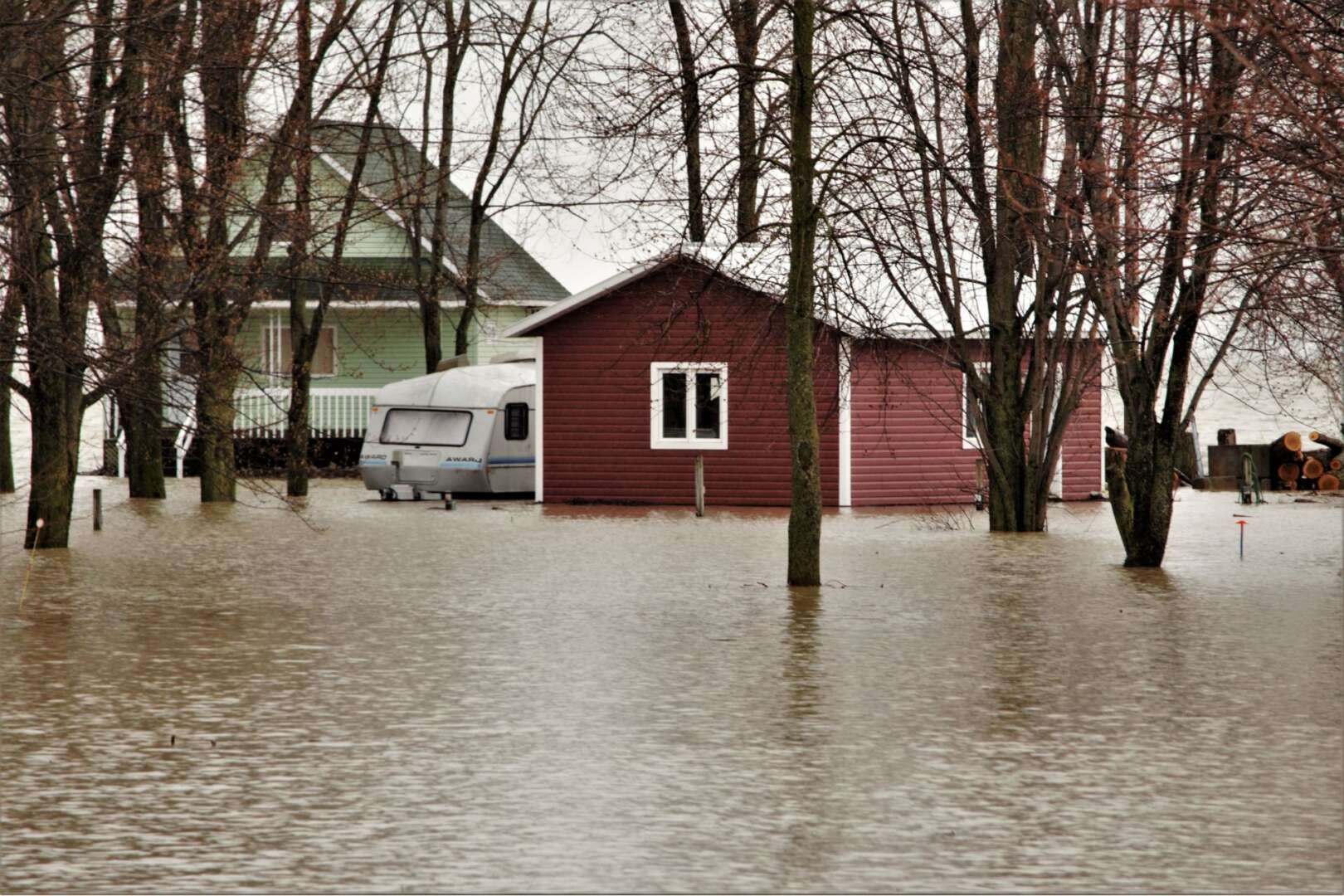
Weather experts say the greatest concern is localized flooding in low-lying and poor-drainage areas. Urban neighborhoods, roads, small streams, and creeks could be particularly vulnerable to rapid rises in water levels during periods of intense rainfall.
The heavy rain threat is being fueled by moisture moving northward from the Gulf region. Combined with slow-moving weather patterns, the setup increases the likelihood of prolonged downpours across parts of the Tri-State.
Officials advise motorists to use caution during periods of heavy rain and never attempt to drive through flooded roadways. Even a small amount of moving water can create dangerous conditions for vehicles.
Residents living near flood-prone locations are encouraged to monitor weather updates and be prepared for changing conditions. Emergency management agencies and local officials continue to monitor the situation as rainfall develops across the region.
The flood watch remains in effect as forecasters evaluate rainfall trends and the potential for additional storms. Weather conditions could change quickly depending on the timing and intensity of thunderstorm activity.
Is Cincinnati ready with its flood response?
Cincinnati has a fairly extensive storm and flood-response system, largely because the city sits along the Ohio River and has a long history of flooding.
How Cincinnati prepares for heavy rain and flooding
1. Emergency Operations Center activation
When significant flooding is forecast, the city activates its Emergency Operations Center (EOC) to coordinate response efforts among police, fire, public services, emergency management, and other agencies. During major flood events, the EOC remains active around the clock to monitor conditions and direct resources.
2. Flood barriers, sandbags, and road closures
Before floodwaters arrive, city crews:
- Fill and distribute sandbags.
- Install flood gates and flood-control measures.
- Prepare and implement road closures in flood-prone areas.
- Remove traffic signal equipment from intersections expected to be submerged.
3. Stormwater infrastructure
The city’s Stormwater Management Utility maintains:
- More than 300 miles of storm sewers.
- Approximately 30,500 storm drains and inlets.
- More than 6,000 storm sewer manholes.
- Pump stations and the Mill Creek Barrier Dam.
These systems are designed to move stormwater away from neighborhoods and reduce flooding impacts.
4. Monitoring weather and river levels
City officials work closely with the National Weather Service to monitor:
- Rainfall forecasts.
- Ohio River levels.
- Stream and creek conditions.
- Potential flash-flood threats.
This allows the city to adjust response plans as storms develop.
5. Public alert systems
Residents can receive emergency notifications through:
- CincyAlert
- Smart911
- Alert Hamilton County
These systems provide warnings about flooding, road closures, severe weather, and evacuation information.
6. Sewer backup response
The Metropolitan Sewer District (MSD) operates a 24/7 reporting system for sewer backups and investigates flooding-related sewer incidents. During major rain events, MSD coordinates with city agencies to address drainage and wastewater issues.
7. Shelters and emergency assistance
If flooding becomes severe enough to displace residents, the city can open emergency shelters in partnership with organizations such as the American Red Cross. During the April 2025 Ohio River flooding, Cincinnati activated shelters and expanded road closures as floodwaters rose.
How prepared is Cincinnati for the current storm threat?
For a forecast of 1–3 inches of rain, Cincinnati’s existing systems are generally designed to handle the event. The greatest concern is not the average rainfall total but whether thunderstorms repeatedly move over the same areas, which can overwhelm storm drains and small streams. In those situations, localized flooding can occur even when city preparations are in place.
Cincinnati officials have established flood-response procedures that include activating emergency operations, monitoring river levels, deploying flood-control measures, and issuing public alerts. However, forecasters warn that repeated heavy downpours could still lead to localized flooding despite those preparations.
FAQs
What is a flood watch?
A flood watch means conditions are favorable for flooding to develop. It does not mean flooding is occurring, but residents should be prepared for possible flooding and monitor forecasts.
How much rain is expected in the Cincinnati area?
Forecasters expect many locations to receive between 1 and 3 inches of rainfall. Some areas could see higher totals if thunderstorms repeatedly move across the same locations.
Which areas are most vulnerable to flooding?
Low-lying areas, neighborhoods with poor drainage, small streams, creeks, and urban roadways are generally at the greatest risk. Flooding can develop quickly during periods of intense rainfall.
What should drivers do during a flood watch?
Drivers should avoid flooded roads and exercise caution during heavy rain. If water covers a roadway, officials recommend turning around rather than attempting to drive through it.