
Share This Article
Article Summary
Cincinnati City Councilman Mark Jeffreys has introduced a motion calling for a comprehensive review of the city’s response to the July 2026 flash floods and new strategies to improve flood resilience. The proposal seeks engineering studies, policy changes, and evaluations of stormwater infrastructure after severe flooding damaged homes and businesses, particularly on the city’s East Side. City Council is expected to consider the motion while the Metropolitan Sewer District continues recovery efforts and reviews system performance during the storms.
Cincinnati leaders are taking another step toward addressing the damage caused by the July 2026 flash floods. This comes after City Councilman Mark Jeffreys introduced a motion aimed at strengthening the city’s flood preparedness.
The proposal comes as another round of heavy rain and severe weather moved across Greater Cincinnati. Meanwhile, many residents continued cleaning homes, businesses, and streets damaged by last week’s flooding.
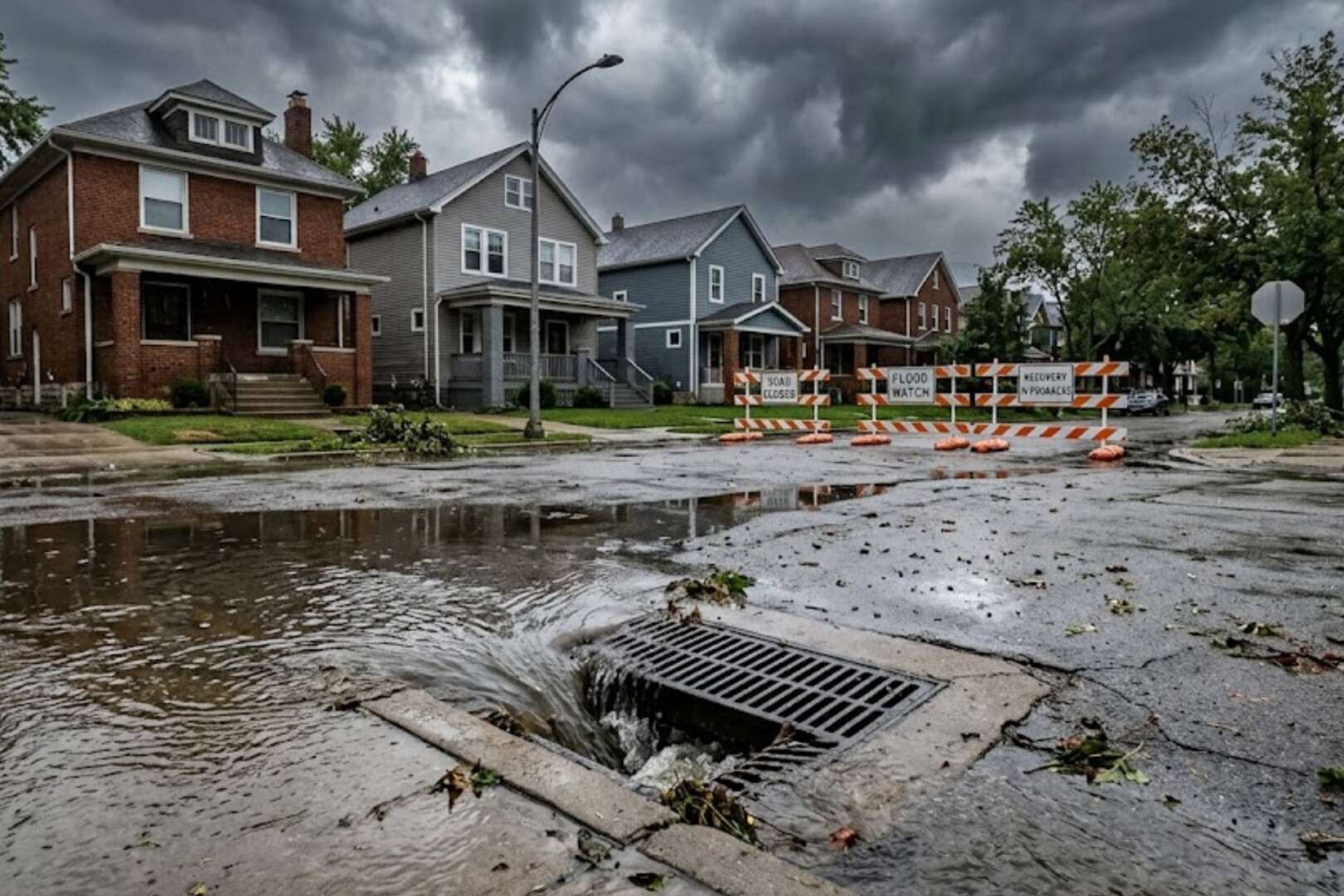
Jeffreys filed the motion Monday, calling for a comprehensive review of the city’s response to the flooding. He is also recommending new infrastructure investments to reduce future flood risks. The legislation focuses on neighborhoods along the East Side. In these areas, stormwater systems became overwhelmed during the July 17 storm, sending water into homes, businesses, and roadways.
The proposal follows one of the region’s most destructive weather events in recent years. According to the National Weather Service, portions of Cincinnati received exceptionally heavy rainfall in a short period. This led to widespread flash flooding and emergency rescues across Hamilton County.
READ:
Cincinnati announces $1M flood relief fund for storm victims
Duck Creek floodgate failed during Oakley megastorm, city explains
Cincinnati emergency declaration follows flooding, severe storm damage
Flood resilience review would examine city response
Jeffreys’ motion requests a detailed after-action review within 30 days to evaluate how city departments responded before, during, and after the flooding. The review would identify what worked effectively and where improvements are needed. In addition, it will identify what emergency procedures should be adopted before future storms.
The proposal also calls for a broader engineering and policy review within 60 days. That review would examine long-term infrastructure improvements that could reduce flood impacts throughout Cincinnati.
Among the recommendations are evaluations of:
- Larger stormwater detention requirements for new developments
- Additional underground stormwater storage facilities
- Dry detention basins
- Permeable pavement projects
- Bioswales and rain gardens
- Updated watershed studies for Duck Creek and Mill Creek
- Reassessment of replacing the Madison Road Bridge to improve water flow
Jeffreys said residents understand that major infrastructure projects require time and funding. However, many community members also want city officials to identify practical improvements that could lessen damage before another major storm arrives.
According to FOX19 NOW, the motion also requests that city officials determine which actions should begin immediately and which longer-term projects deserve priority as Cincinnati prepares for future severe weather events.
Flood resilience concerns follow East Side flooding
The motion centers largely on neighborhoods along Duck Creek, where floodwaters rapidly overtook streets and entered hundreds of properties during the July storm.
Officials previously acknowledged that a sensor malfunction involving the Duck Creek floodgate system complicated stormwater management during the flooding. This incident has raised questions about whether existing infrastructure remains adequate for increasingly intense rainfall events.
The Metropolitan Sewer District of Greater Cincinnati reported receiving more than 1,500 flood and sewer backup reports following the storm. Cleanup efforts have continued for days as homeowners, businesses, and city crews worked to remove debris and repair damaged property.
According to WCPO 9, residents affected by the flooding have expressed frustration over repeated flooding concerns in several neighborhoods, particularly after previous infrastructure studies identified vulnerabilities within the Duck Creek watershed.
The proposal would also revisit recommendations from earlier engineering studies, including whether replacing the Madison Road Bridge could improve water movement during extreme rainfall.
City continues broader flood recovery
Jeffreys’ proposal arrives as Cincinnati continues responding to the aftermath of multiple severe weather events this month.
Mayor Aftab Pureval previously declared a local state of emergency following widespread flooding across the city. Emergency crews responded to water rescues, damaged roads, and flooded homes after record rainfall overwhelmed drainage systems.
City officials have also announced financial assistance for recovery efforts. Earlier this month, Cincinnati allocated $1 million in flood relief funding to help affected neighborhoods begin rebuilding. Meanwhile, longer-term infrastructure planning continues.
Meanwhile, the National Weather Service has continued issuing additional severe weather alerts as repeated rounds of thunderstorms move through the Ohio Valley. Emergency officials continue urging residents to monitor forecasts, avoid flooded roadways, and remain prepared for rapidly changing conditions.
Climate experts have increasingly warned that warmer atmospheric conditions can contribute to heavier rainfall events. This places greater pressure on aging stormwater infrastructure across many U.S. cities. While individual storms cannot be attributed solely to climate change, researchers say communities should prepare for more frequent extreme precipitation events.
Council expected to consider flood resilience measures
The motion is expected to receive consideration by Cincinnati City Council in the coming weeks.
According to reports, representatives from the Metropolitan Sewer District are scheduled to appear before council members to discuss the July flooding and ongoing recovery efforts. Officials are expected to provide additional information about the performance of stormwater infrastructure during the storms. In addition, they will discuss potential improvements moving forward.
If approved, the requested reviews could help shape future capital improvement projects and influence how Cincinnati prioritizes flood mitigation investments. The recommendations may also guide the use of recently approved funding dedicated to watershed improvements within the Mill Creek basin.
City leaders have emphasized that reducing flood risks will require cooperation among local agencies, engineers, emergency management officials, and residents. While infrastructure upgrades often require years of planning and construction, officials say identifying immediate operational improvements could strengthen Cincinnati’s preparedness before the next major storm.
Residents continue recovering across several neighborhoods, but city officials acknowledge that recovery alone is not enough. The latest proposal signals a broader effort to improve Cincinnati’s resilience as severe weather events become an increasingly important challenge for local governments throughout southwest Ohio.
For additional information about flood preparedness and flood safety, residents can visit the National Weather Service and the U.S. Environmental Protection Agency for guidance on stormwater management and flood recovery.
FAQs
Why did Councilman Mark Jeffreys file the flood resilience motion?
Jeffreys filed the motion following the July 2026 flash floods, which caused significant damage across several Cincinnati neighborhoods. The proposal seeks to identify improvements in emergency response and long-term flood mitigation.
What does the proposed flood resilience plan include?
The motion calls for a 30-day after-action review and a 60-day engineering and policy review. It also proposes studying stormwater detention systems, watershed improvements, permeable pavement, underground storage, and other flood mitigation projects.
Which areas were most affected by the flooding?
The motion focuses on neighborhoods along Cincinnati’s East Side, particularly areas near Duck Creek where stormwater systems were overwhelmed. Many homes, businesses, and roadways experienced flooding during the July storms.
What happens after the motion is introduced?
Cincinnati City Council will review and discuss the proposal during upcoming meetings. The Metropolitan Sewer District is also expected to brief council members on the July flooding, infrastructure performance, and potential improvements.