



Share This Article
Article Summary
Cincinnati officials confirmed that the Duck Creek floodgate on Madison Road in Oakley failed to close automatically during the July 17 flash flood because of a mechanical malfunction. The city said the floodgate could have reduced flooding for about 40 nearby properties but would not have prevented the widespread flooding caused by the historic rainfall. Crews will manually operate the floodgate until repairs are complete while the city works with the U.S. Army Corps of Engineers to restore the automatic system.
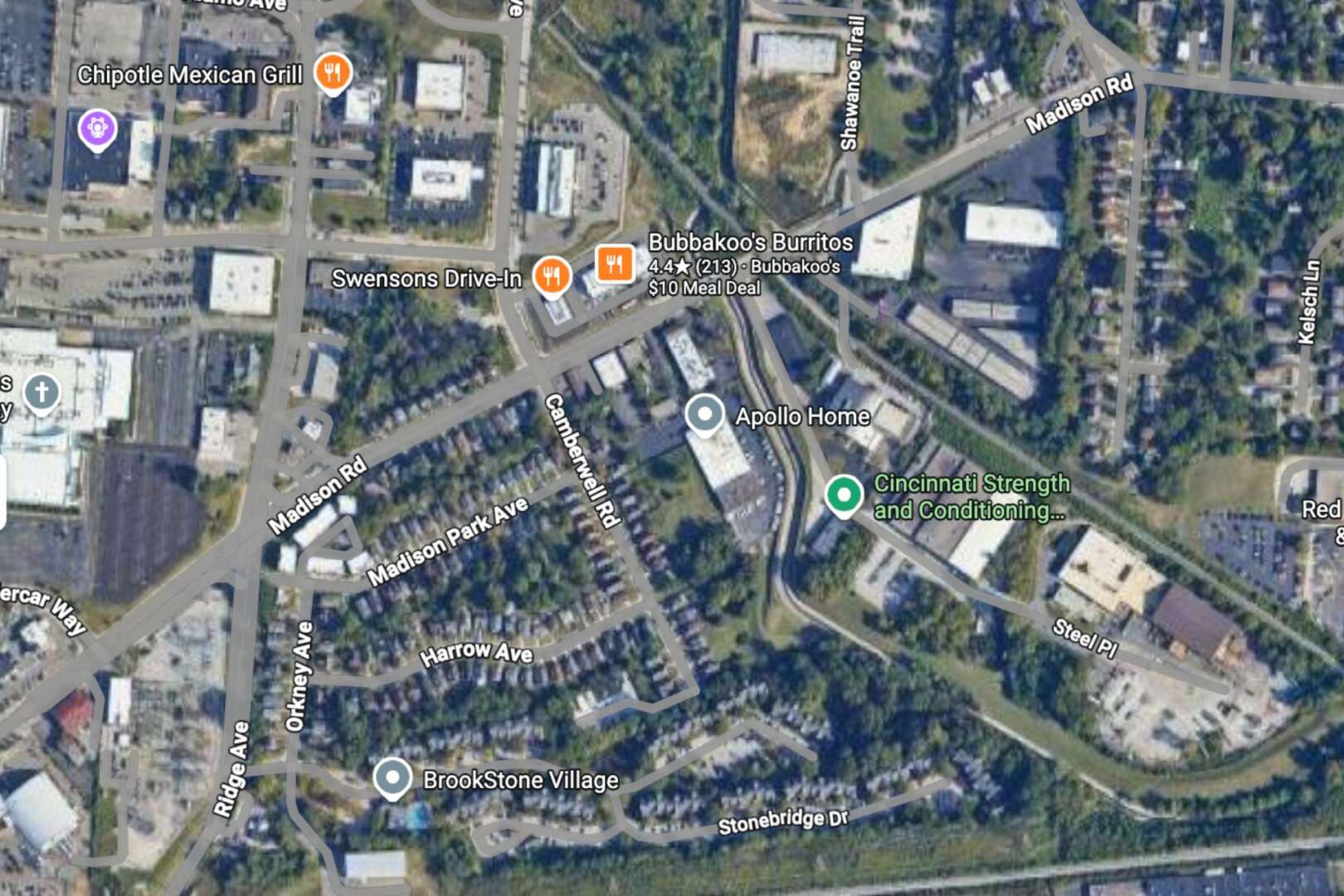
Cincinnati officials have confirmed that the Duck Creek floodgate on Madison Road in Oakley failed to deploy automatically during the historic July 17 storm because of a mechanical malfunction.
City Manager Sheryl Long said the floodgate should have closed when water reached its trigger level, but a mechanical problem prevented the automatic system from working.
The city emphasized that the malfunction affected only a small area immediately surrounding the Madison Road bridge over Duck Creek. Officials said the extreme rainfall still would have produced severe flooding across Cincinnati’s East Side, even if the gate had operated correctly. The city now plans to manually close the gate whenever flooding threatens until repairs are complete.
The confirmation ends several days of uncertainty after Cincinnati Fire Department officials initially reported the gate had failed during the storm. Mayor Aftab Pureval later described those reports as unconfirmed while city engineers reviewed sensor data, surveillance footage, and system records. On July 23, Long announced the investigation had identified a mechanical malfunction as the cause. According to the city, crews have contacted the U.S. Army Corps of Engineers for assistance with repairs because the federal agency originally designed and installed the floodgate.
RELATED STORY: Did a Chained Crossing Arm Keep Cincinnati’s Duck Creek Floodgate From Closing?
Duck Creek floodgate protects only a limited area
City officials stressed that the Duck Creek floodgate protects only a small section surrounding the Madison Road bridge rather than the broader neighborhoods damaged by the storm.
Long said the floodgate’s primary purpose is to reduce flooding near the bridge and adjacent properties when Duck Creek rises above predetermined levels. Even if it had closed as designed, officials said floodwaters from the extraordinary storm still would have overwhelmed nearby drainage systems and spread into neighborhoods such as Oakley, Hyde Park, Madisonville, Pleasant Ridge, and Mount Lookout.
According to the city, approximately 40 properties, including several businesses, fall within the floodgate’s immediate protection area. Officials are reaching out to affected property owners as recovery efforts continue.
The city also addressed speculation circulating on social media. Long said chains attached to nearby traffic-control gates did not contribute to the malfunction. Those chains are separate from the floodgate’s operating system and played no role in preventing deployment.
Historic rainfall overwhelmed infrastructure
Officials continue to describe the July 17 storm as an exceptionally rare weather event.
The Metropolitan Sewer District has estimated the rainfall qualified as roughly a 1,000-year storm, with several East Side neighborhoods receiving more than six inches of rain in about one hour. City officials said no modern sewer system is designed to handle rainfall of that magnitude. The intense downpour overwhelmed storm drains, filled creeks, and caused flash flooding throughout multiple communities.
The flooding left one person dead in Fairfax, injured several others, and prompted dozens of water rescues across Greater Cincinnati. Emergency crews responded to hundreds of calls as floodwaters entered homes, businesses, and roadways. Oakley experienced some of the most significant damage, with residents reporting rapidly rising water that left little time to protect their property.
City officials noted that another round of heavy rain on July 21 prompted crews to manually close the floodgate before storms arrived. The precaution helped ensure the malfunction did not affect the second weather event while engineers continued investigating the automatic system.
Earlier reports raised questions about infrastructure
Questions surrounding the Duck Creek floodgate began almost immediately after the July 17 flooding.
According to FOX19, Cincinnati Councilmember Mark Jeffreys requested answers after residents questioned why the gate remained open during the flood. He also asked city administrators to review recommendations from a 2020 engineering study examining the floodgate system and nearby infrastructure.
WVXU reported that the 2020 study identified operational concerns involving the traffic-control railroad arms and recommended several long-term improvements, including replacing the Madison Road bridge. The report estimated such a project would cost between $2.3 million and $2.6 million. However, the study primarily evaluated 100-year and 500-year flood scenarios, not a storm approaching 1,000-year intensity.
The report also noted that the city issued a bid earlier this year to replace the crossing gates and flashing warning signals. That procurement was later canceled and scheduled for rebidding with updated specifications during the new fiscal year.
Repairs underway as recovery continues
The Duck Creek floodgate was installed by the U.S. Army Corps of Engineers in 2008, and Cincinnati assumed responsibility for operating and maintaining it in 2012. The system normally relies on water-level sensors to trigger automatic closure once Duck Creek reaches a specified elevation. After deployment, crews manually reopen the gate when water recedes.
Until repairs are completed, city officials said employees will manually close the floodgate whenever heavy rainfall threatens the area. Long said the city remains committed to restoring the automatic system while continuing broader flood recovery efforts across Cincinnati’s East Side.
Mayor Pureval has also declared a local emergency following consecutive flooding events to help the city seek additional state and federal assistance. Recovery efforts continue in neighborhoods where residents and businesses are still cleaning up damage caused by the historic storms.
Key facts from the city’s investigation:
- The floodgate failed because of a mechanical malfunction.
- The gate protects only the immediate Madison Road bridge area.
- About 40 nearby properties fall within its protection zone.
- Officials said the wider flooding still would have occurred.
- Crews will manually operate the gate until repairs are complete.
- The U.S. Army Corps of Engineers is assisting with repairs.
Residents seeking flood recovery information can visit the City of Cincinnati and monitor weather alerts through the National Weather Service.
FAQs
Why did the Duck Creek floodgate fail during the July 17 storm?
City Manager Sheryl Long said the Duck Creek floodgate did not close automatically because of a mechanical malfunction. The city confirmed the automatic system failed and crews will manually operate the gate until repairs are completed.
Would the Duck Creek floodgate have prevented the East Side flooding?
No. City officials said the floodgate protects only the immediate Madison Road bridge area near Duck Creek. They said the record-breaking rainfall would still have caused severe flooding across multiple East Side neighborhoods.
How many properties were affected by the floodgate malfunction?
The City of Cincinnati estimates that about 40 properties, including several businesses, are located within the floodgate’s immediate protection area. Officials are contacting affected property owners as recovery efforts continue.
What is the city doing to prevent another floodgate failure?
The city is working with the U.S. Army Corps of Engineers to repair the mechanical problem that prevented the floodgate from closing automatically. Until the repairs are finished, city crews will manually close the gate whenever heavy rainfall or flooding is expected.