



Share This Article
Article Summary
Cincinnati residents are opposing Duke Energy’s proposed electric distribution rate increase, which could add about $8.32 per month to a typical residential bill. Communities United for Action is helping residents prepare testimony for three upcoming public hearings scheduled by the Public Utilities Commission of Ohio in Middletown, Cincinnati and Hamilton. PUCO staff has recommended a smaller increase than the utility requested, but regulators have not issued a final decision. An evidentiary hearing is scheduled for January 2027, with a final decision expected in May.
Cincinnati residents are pushing back against a proposed Duke Energy rate increase that could add about $8.32 per month to a typical residential electric bill.
Community members gathered Wednesday, Oct. 21, to discuss how to oppose the proposal and prepare testimony for upcoming hearings before the Public Utilities Commission of Ohio (PUCO).
The meeting, organized with help from Communities United for Action (CUFA), focused on the financial pressure residents say higher utility costs would place on their households. Participants urged state regulators to reject the proposed increase, expressing concern that additional expenses could make already difficult budgets harder to manage.
Duke Energy rate increase could add $8.32 to monthly bills
Duke Energy Ohio is seeking approval to increase its electric distribution rates across its Ohio service area. The company filed its application with PUCO on March 30, 2026, requesting an additional $90.17 million in annual revenue, representing a 12.68% increase in electric distribution revenue.
The Office of the Ohio Consumers’ Counsel estimates that the proposal would add approximately $8.32 per month to a typical residential customer’s bill if approved. The actual impact could vary depending on a customer’s circumstances and applicable charges.
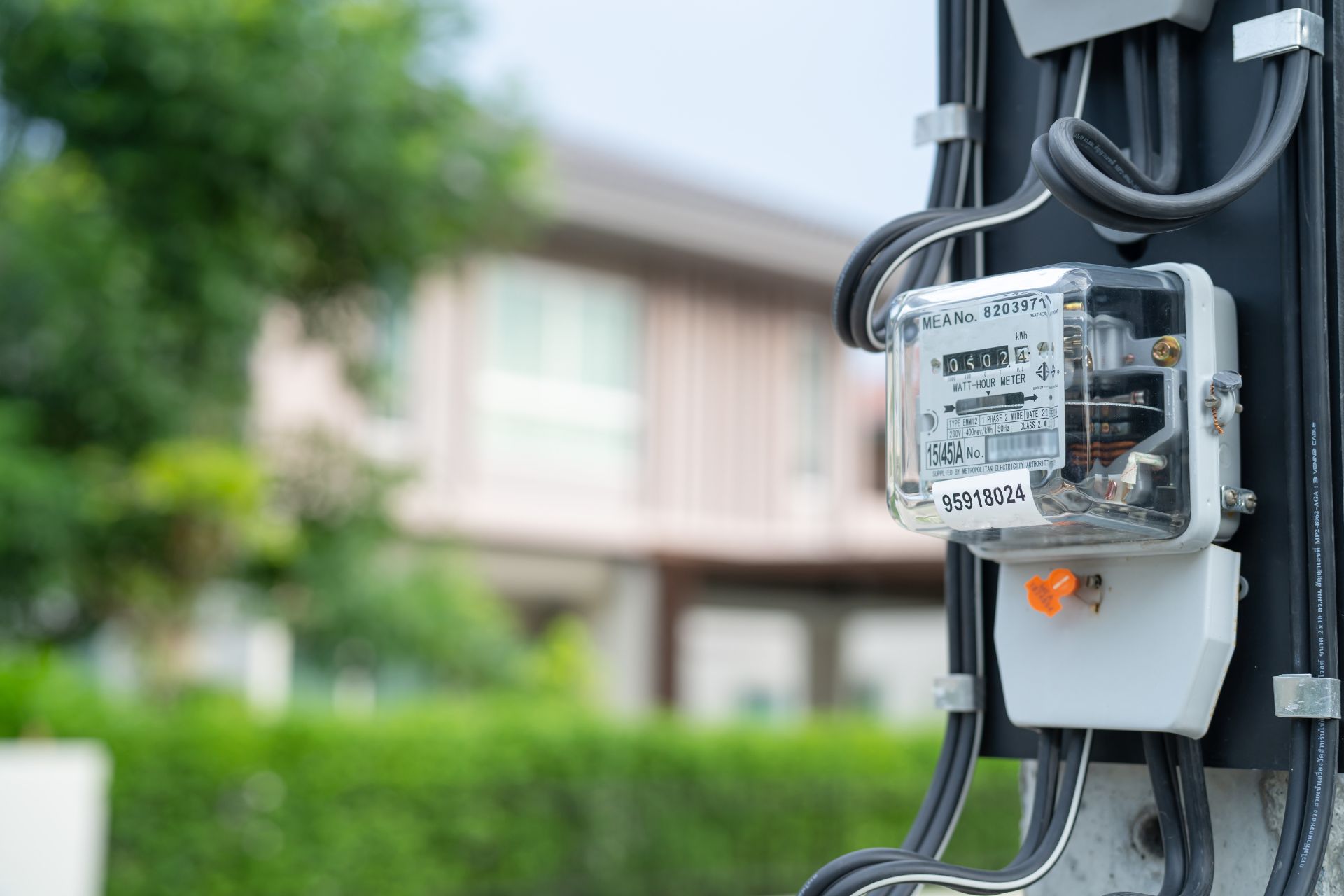
The proposal concerns electric distribution charges, which cover the infrastructure used to deliver electricity, including utility poles, wires and the local distribution system. These charges are separate from the cost of the electricity customers consume.
Duke Energy has said its investments are intended to modernize the electric grid and maintain reliable service. A company spokesperson told FOX19 NOW that the utility understands the impact of rate increases on customers and aims to keep prices as low as possible while maintaining dependable electricity service.
Residents prepare to testify against proposed rate increase
CUFA is encouraging residents to share how higher utility bills would affect their households during the regulatory process.
At Wednesday’s meeting, community members discussed the importance of making their concerns heard before PUCO decides whether to approve the request. Organizers said they wanted residents to feel confident explaining their financial circumstances and the potential consequences of higher electricity costs.
The Office of the Ohio Consumers’ Counsel, which represents residential utility customers, has also intervened in the case. The agency is reviewing Duke Energy’s request and says it will advocate for affordable rates for Ohio households.
PUCO staff has recommended a smaller increase than Duke Energy requested. According to the commission, staff recommends an annual revenue increase ranging from approximately $42.45 million to $52.65 million, equivalent to 5.93% to 7.35%. This recommendation is not a final decision, and the commission will determine the outcome of the case.
PUCO schedules three public hearings in Greater Cincinnati
PUCO has scheduled three public hearings in the region to gather testimony from customers affected by the proposed rate increase.
The hearings are scheduled for:
- Dec. 1, 2026, at 6 p.m.: MidPointe Library Middletown, Community Room, 125 S. Broad St., Middletown.
- Dec. 10, 2026, at 12:30 p.m.: Cincinnati City Hall, Council Chambers, Room 300, 801 Plum St., Cincinnati.
- Dec. 10, 2026, at 6 p.m.: Hamilton Municipal Building, Council Chambers, first floor, 345 High St., Hamilton.
Residents who testify will have their comments included in the official case record. Community members who cannot attend may also submit written comments to PUCO.
Written submissions should reference the following case numbers: 26-0132-EL-AIR, 26-0133-EL-ATA and 26-0134-EL-AAM. Additional information about the proceedings and public comments is available through the commission’s official website.
Duke Energy rate increase remains under review
Duke Energy’s request has not been approved, and the proposed increase is not yet in effect. PUCO will consider the evidence and public input before making its decision.
An evidentiary hearing is scheduled for Jan. 20, 2027, at PUCO’s offices in Columbus. Duke Energy’s regulatory filings indicate that a final decision is expected in May 2027, although the outcome and timing remain subject to the commission’s proceedings.
For Cincinnati-area residents concerned about rising utility costs, the upcoming public hearings provide an opportunity to explain how the proposed increase could affect their household finances before regulators reach a final decision.
FAQs
Why is Duke Energy seeking to increase electricity rates?
Duke Energy says the additional revenue would help cover infrastructure investments, grid modernization and efforts to maintain reliable electric service. The proposal would increase the distribution charges customers pay to have electricity delivered to their homes.
How much of an increase did Duke Energy request?
Duke Energy Ohio requested approximately $90.17 million in additional annual revenue, representing a 12.68% increase in electric distribution revenue. PUCO staff recommended a smaller increase ranging from approximately $42.45 million to $52.65 million annually.
Will Duke Energy customers see higher electric bills immediately?
No. The proposed rate increase is not yet approved, so customers should not expect this specific increase to take effect until regulators authorize it. PUCO must review the application and issue a decision before the proposed rates can be implemented.
What is the difference between electricity supply charges and distribution charges?
Electricity supply charges cover the electricity customers purchase, while distribution charges cover the infrastructure that delivers power to their homes and businesses. Duke Energy’s current proposal concerns distribution rates rather than an across-the-board increase in every component of an electric bill.