



Share This Article
Article Summary:
The Fountain Square shooting suspect now faces murder charges after police say Christopher Shipman fatally shot 25-year-old CityBird employee Darius Wheeler outside the downtown Cincinnati restaurant Friday night. The case is drawing major attention because it marks the second high-profile shooting tied to the CityBird and Fountain Square corridor in less than a year, despite increased downtown police presence and safety efforts.
A Targeted Confrontation in the City’s Most Watched Corridor
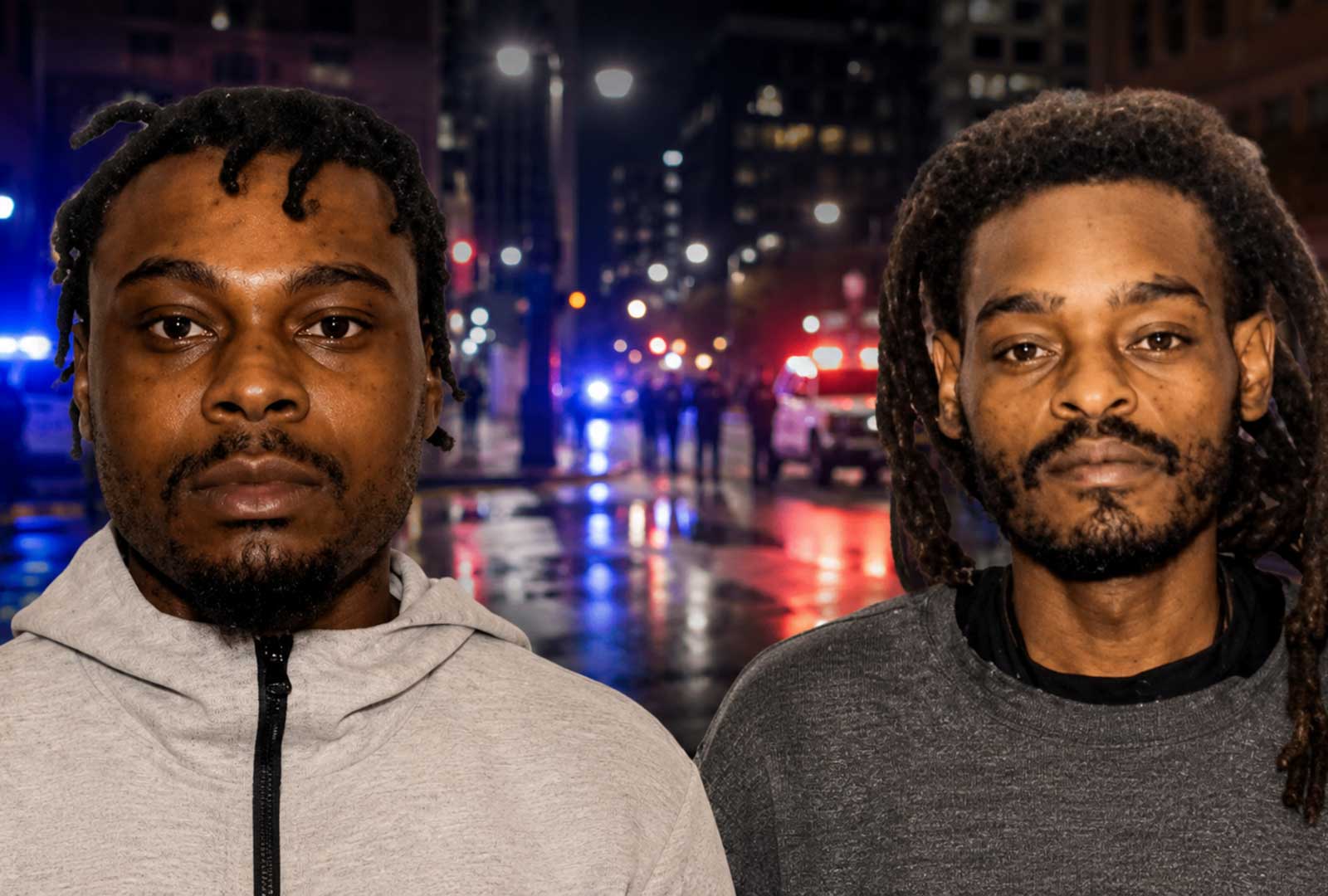
The Fountain Square shooting suspect, 36-year-old Christopher Shipman, allegedly came downtown Friday night with a specific target.
25-year-old Darius Wheeler, a CityBird employee, was that target. Police say the two men were connected through a woman, and Shipman approached Wheeler as he took out trash near the end of his shift. The Fountain Square shooting suspect allegedly started what began as a verbal confrontation that turned physical.
They fell to the ground fighting before Shipman pulled a handgun, fired once over his shoulder, then fired three more shots as Wheeler ran. According to police, Shipman told investigators about his involvement. His defense team immediately claimed self-defense at Saturday’s arraignment.
Judge Nia Bratton denied bond. He returns to court on Wednesday morning. Notably, the attention on any Fountain Square shooting suspect remains high due to the location’s significance.
The Unresolved Tension: Targeted vs. Random, Personal vs. Public
Police say this was a personal dispute. Shipman came to confront Wheeler over a shared romantic interest, not to harm strangers. Factually, that distinction matters for how we understand the incident. But to anyone standing near Fountain Square on a Friday night, the calculus changes the moment gunfire erupts.
Once gunfire erupts in a crowded downtown corridor, the distinction between targeted and random starts matters less to the public. That gap between what investigators know and what the public feels has become Cincinnati’s central downtown safety problem. Moreover, each incident involving a Fountain Square shooting suspect raises new debates about public safety.
Why the CityBird Shooting Transforms the Narrative
Fountain Square isn’t just another downtown intersection. For many residents and visitors, it shapes how they judge the health of the city itself. Reds fans, tourists, office workers, and concertgoers. They all move through this corridor, and one shooting there reshapes public perception faster than violence anywhere else in the city. That’s not fair, necessarily, but it’s how perception works.
City leaders understand this, which is why they’ve spent the past year flooding the area with foot patrols, mounted units, and tactical visibility after previous scrutiny of downtown safety following violence at this location. Yet here we are again.
The second major shooting tied to CityBird in less than a year. Twice now, a Fountain Square shooting suspect has raised self-defense claims. And, the second time, the same few blocks have generated exactly the kind of incident that makes suburban residents and visitors question whether downtown Cincinnati is actually safe. City leaders are increasingly facing questions about whether the repeated incidents reflect a broader downtown safety challenge rather than an isolated coincidence.
The Self-Defense Question That Unraveled Once Before
Shipman’s defense team raised self-defense claims before Saturday’s hearing ended. A claim that succeeded in last October’s CityBird shooting case after additional surveillance footage emerged. Prosecutors will argue Shipman came downtown specifically to confront Wheeler. The defense will likely claim Wheeler escalated to physical violence first. The distinction matters legally and will probably hinge on what Fountain Square’s extensive camera network actually captured, not what witnesses remember seeing. The October case showed how dramatically additional surveillance footage can change the legal interpretation of these confrontations. In both cases, the media closely followed the legal issues surrounding the Fountain Square shooting suspect.
What This Pattern Reveals About Downtown Safety Strategy
Downtown policing intensified after previous incidents, yet the Fountain Square corridor remains the site of repeated high-profile confrontations. This reality tests the city’s broader downtown safety strategy. Highly visible police responses may reassure some residents while alarming others, creating a perception problem even when officers are doing their job correctly. The city invested enormous effort in protecting this symbolic center, but the pattern itself is now questioning the return on that investment. Business owners and city leaders spent months convincing residents that downtown remains safe and economically healthy. This shooting complicates that message during peak event season.
The Civic Impact of Cincinnati Violent Crime in One Location vs. Another
Mayor Aftab Pureval’s swift condemnation of the shooting, framing Fountain Square as “a central hub” where “thousands of innocent residents use every day,” signals how differently city leadership treats violence in high-visibility downtown corridors versus incidents elsewhere. The Mayor knows he needs to step it up, along with the courts. It’s not just about the homicide, but about protecting downtown’s economic momentum during peak event season. Restaurant owners, bar managers, and venue operators now face direct consequences. One shooting in the wrong zip code can reshape foot traffic, employee retention, and business confidence faster than any police staffing challenge.
What Happens in Wednesday’s Hearing—And What Doesn’t Get Decided
Wednesday’s bond hearing will determine only whether Christopher Shipman remains jailed before trial. It won’t determine whether his self-defense claim holds water. Defense attorneys will preview their strategy. Prosecutors will argue Shipman came downtown specifically to confront Wheeler. Investigators continue reviewing extensive Fountain Square surveillance footage.
But here’s what matters beyond the courtroom. No single bond decision or eventual trial verdict will resolve the underlying question Cincinnati’s leadership now faces. Why does the same downtown corridor keep producing high-profile violence despite increased police presence? Furthermore, in every major incident, there is increased focus on whoever is identified as the Fountain Square shooting suspect.
Another Cincinnati Violent Crime Downtown Hurts Tourism
CityBird sits where three Cincinnati worlds collide. Tourists heading to ball games. Office workers on lunch breaks. Nightlife crowds. Violence in that intersection reshapes downtown perception faster than shootings anywhere else in the city. With peak event season starting now, games, concerts, and festivals. This Fountain Square shooting suspect’s arrest arrives exactly when city leaders need foot traffic to climb, not drop.
A second shooting at the same restaurant in less than a year isn’t just a crime statistic. It’s a narrative that business owners, employees, and potential visitors can’t ignore, even as police increase patrols and city officials insist downtown remains safe. The tension between what’s actually happening and what people believe about downtown safety has become harder to manage with each incident. That gap matters more than any single arrest or conviction. It’s the real problem city leadership has to solve, and Wednesday’s courtroom won’t be where that solution emerges.
Read More
Deadly Fountain Square Shooting Puts Downtown Cincinnati Back Under Scrutiny
FAQs
Was this shooting random violence or a targeted attack?
Police currently believe this was a targeted confrontation between people who knew each other, not a random attack on the public. According to investigators, 36-year-old Christopher Shipman allegedly came downtown specifically to confront 25-year-old Darius Wheeler, a CityBird employee. The two men are believed to have shared a romantic connection involving the same woman. While the shooting was not random, it still occurred in one of Cincinnati’s most visible public spaces, which amplifies its impact on public perception of downtown safety regardless of the motive.
Why is the self-defense claim significant in this case?
The self-defense argument is likely to become central to the case because of a precedent set by a similar shooting at the same CityBird location less than a year earlier. In that October incident, a man was initially charged but all charges were eventually dismissed after a judge determined he acted in self-defense. In the current case, defense attorneys immediately raised self-defense claims during Shipman’s court appearance. Prosecutors allege that Wheeler attempted to wrestle the gun away after Shipman pulled it, and that Shipman fired three shots as Wheeler tried to run away—facts that could support either a murder conviction or a self-defense claim depending on how the evidence is interpreted.
How much police presence was already in the area when this shooting happened?
Cincinnati had significantly increased police presence around Fountain Square and Government Square over the past year, including foot patrols, mounted patrols, and tactical visibility. This increase came after repeated concerns involving shootings, large disturbances, and transit-related disorder in the area. The uncomfortable reality for city leadership is that despite these enhanced policing efforts, this deadly shooting still occurred Friday night. The incident raises questions about whether increased police presence is sufficient to prevent targeted violence in heavily monitored public spaces.
Why does the location of this shooting matter more than other Cincinnati homicides?
Fountain Square is one of Cincinnati’s most symbolically important public spaces. Thousands of residents, tourists, office workers, Reds fans, and concert-goers pass through daily. Unlike violence in other parts of the city, highly visible incidents in Fountain Square disproportionately shape suburban residents’ and visitors’ perceptions of downtown Cincinnati’s safety and health. One shooting in this location can reshape public confidence in the urban core quickly and significantly. This is the second major shooting tied to the CityBird and Fountain Square corridor in less than a year, intensifying concerns about whether the area can be stabilized both physically and politically.
What is the timeline for the next court proceedings?
Christopher Shipman was denied bond at his Saturday morning arraignment and remains jailed at the Hamilton County Justice Center. He is scheduled to appear in court again Wednesday morning at 8:30 a.m., where the bond issue is expected to be decided. Investigators continue reviewing surveillance footage and witness statements from the extensively monitored downtown corridor. Additional details are expected to emerge quickly due to the number of witnesses and cameras in the area. An indictment has not been anticipated at this stage of the investigation.
How does this incident affect Cincinnati's efforts to promote downtown as safe during peak season?
Cincinnati is entering peak event season with Reds games, concerts, festivals, and increased warm-weather activity. City officials and business owners have spent months trying to convince residents that downtown remains safe, active, and economically healthy. Friday night’s shooting complicates this messaging significantly. While police believe this was a targeted confrontation rather than random violence, the public impact feels broader because of where it happened. The incident demonstrates the challenge city leadership faces: even targeted violence in highly visible locations can damage public confidence and reshape perceptions of downtown safety, regardless of whether the attack was random or personal.
What makes Fountain Square such a politically sensitive location for this type of incident?
Fountain Square and the surrounding Government Square corridor have become one of the most closely watched public spaces in Cincinnati after repeated concerns involving shootings, large disturbances, and transit-related disorder. City leaders have invested enormous effort into stabilizing this area both physically and politically. The fact that this shooting occurred at a downtown restaurant—a commercial hub where Reds fans, tourists, office workers, and nightlife crowds all gather—only intensifies political pressure. This is the second major shooting at CityBird in less than a year, making it harder for city leaders to dismiss the pattern as coincidence. The location has become part of the story itself, with broader civic implications beyond the facts of the individual case.
This article was created with the support of our proprietary AI-powered newsroom tools and reviewed by our editorial team for accuracy and clarity.