
Share This Article
Article Summary
Cincinnati officials have launched a flood infrastructure review after deadly flash flooding killed one person, injured three others, and caused extensive damage across several neighborhoods. Mayor Aftab Pureval said the city will evaluate its infrastructure and emergency response while continuing recovery efforts with local, state, and federal partners.
The review will examine stormwater systems, drainage infrastructure, and emergency operations to identify improvements that could strengthen the city’s preparedness for future flooding. Cleanup and damage assessments remain underway in the hardest-hit communities.
Cincinnati officials have launched a flood infrastructure review after flash flooding killed one person, injured three others, and caused widespread damage across several neighborhoods.
Mayor Aftab Pureval said the city will evaluate how its infrastructure and emergency response performed during Friday’s storm while working with state and federal partners to support recovery efforts.
The announcement comes as cleanup continues in neighborhoods including Oakley, Madisonville, Pleasant Ridge, Hyde Park, and Fairfax, where heavy rainfall overwhelmed roads, drainage systems, and low-lying areas. Emergency crews completed dozens of water rescues as residents returned to damaged homes and businesses. According to the Cincinnati Fire Department, first responders handled more than 200 emergency calls during the flooding event.
Mayor Pureval said the city must learn from the disaster to better prepare for future storms. In a public statement, he said the administration and Cincinnati City Council will review what worked well and identify improvements needed for infrastructure and emergency operations. Local television stations WLWT and FOX19 both reported that the city intends to provide regular updates throughout the recovery process.
The review could influence future investments in stormwater management, road design, drainage capacity, and emergency preparedness. While officials have not announced a timeline for completing the assessment, the mayor emphasized that recovery remains the city’s immediate priority.
Flood infrastructure review will examine response and drainage
The flood infrastructure review will focus on both physical infrastructure and operational response.
Mayor Pureval said city leaders will evaluate:
- Stormwater and drainage performance
- Emergency dispatch and response operations
- Coordination with county, state, and federal agencies
- Infrastructure vulnerabilities revealed by the flooding
- Lessons that could improve future emergency planning
According to FOX19, the mayor said the city will conduct a full after-action review to determine where improvements are needed while continuing to support affected residents. WLWT also reported that officials plan to analyze how existing infrastructure handled the historic rainfall.
Although the city has not released engineering findings, the review is expected to involve multiple departments responsible for transportation, public services, emergency management, and stormwater systems.
The Metropolitan Sewer District also urged residents to report sewer backups so investigators can assess flood-related damage and prioritize repairs. Residents experiencing sewer issues can contact the utility’s emergency reporting system.
Deadly flooding overwhelmed neighborhoods
The flooding developed rapidly Friday after intense rainfall moved across Greater Cincinnati.
According to the Cincinnati Fire Department, one person died in Fairfax while three others suffered injuries requiring hospitalization. Fire officials said crews responded to more than 200 emergency calls and carried out at least 40 water rescues during the event. Nearly every available firefighter participated in rescue operations.
The greatest concentration of emergency calls came from:
- Oakley
- Madisonville
- Pleasant Ridge
- Hyde Park
- Fairfax
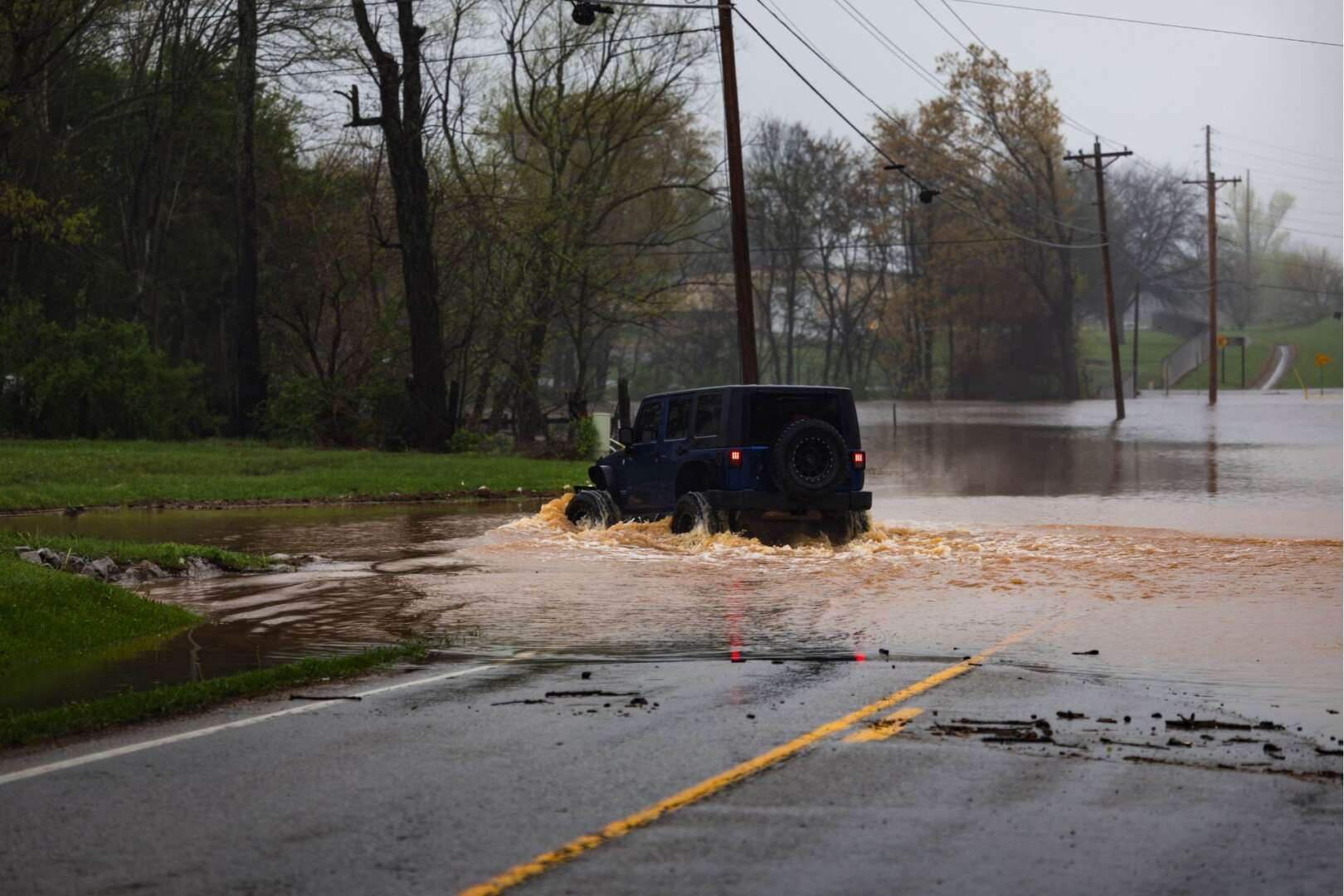
Several streets became impassable as water quickly covered roadways, trapped vehicles, and entered homes and businesses. Cleanup crews spent the weekend removing debris, pumping water, and restoring access to affected areas.
Local media reported extensive property damage across eastern Cincinnati neighborhoods, with residents describing rapidly rising water that left little time to evacuate vehicles or belongings. The recovery effort continues as city crews inspect roads, public infrastructure, and stormwater facilities.
Flood infrastructure review comes as extreme rainfall increases
The flood infrastructure review also reflects broader concerns about increasingly frequent heavy rainfall events affecting cities across the United States.
The National Weather Service has repeatedly warned that slow-moving thunderstorms can produce dangerous flash flooding in urban areas where paved surfaces prevent water from soaking into the ground. Local drainage systems may become overwhelmed when rainfall exceeds their design capacity.
Infrastructure experts have noted that many older American cities face challenges maintaining drainage systems built decades ago. Recent research and reporting have highlighted the growing need for communities to modernize stormwater infrastructure as severe rainfall events become more common.
Cincinnati has already committed significant resources to maintaining roads, bridges, sidewalks, and other public infrastructure through revenue generated by the Cincinnati Southern Railway Trust. Those funds are legally restricted to maintaining and improving existing infrastructure rather than expanding other city programs.
Whether the latest flooding results in new stormwater projects or policy changes remains unclear. City officials have not announced specific infrastructure upgrades or funding proposals related to Friday’s storm.
Recovery remains the immediate priority
City agencies continue assisting residents as damage assessments move forward.
Officials have encouraged residents to document flood damage, report sewer backups, and follow guidance from emergency management agencies. Public works crews remain focused on clearing debris, reopening roads, and restoring public services where needed.
Mayor Pureval said Cincinnati will continue coordinating with state and federal partners while reviewing the disaster response and identifying improvements that could strengthen the city’s resilience against future flooding. The administration has indicated that additional information will be shared as the review progresses.
For now, the city’s priority remains supporting affected neighborhoods while gathering the information needed to understand how Friday’s devastating flooding unfolded and what changes may reduce the impact of future storms.
FAQs
Why is Cincinnati conducting a flood infrastructure review?
The city is reviewing how its infrastructure and emergency response performed during the flash flooding that caused fatalities, injuries, and widespread property damage. Mayor Aftab Pureval said the review will identify what worked well and where improvements are needed.
Which areas were most affected by the flooding?
The hardest-hit neighborhoods included Oakley, Madisonville, Pleasant Ridge, Hyde Park, and Fairfax. Emergency crews responded to flooded streets, water rescues, and damage to homes and businesses throughout those areas.
What will the flood infrastructure review include?
City officials said the review will assess drainage systems, stormwater infrastructure, emergency response operations, and coordination with state and federal agencies. The findings may help guide future infrastructure planning and disaster preparedness.
What should residents do if they experienced flood damage?
Residents should document property damage, report sewer backups to the appropriate utility, and follow guidance from local emergency management officials. City crews continue cleanup operations and damage assessments as recovery efforts move forward.