
Share This Article
Article Summary
Canadian wildfire smoke drifted into Greater Cincinnati on Sunday, pushing the Air Quality Index above 150 in parts of the region and creating unhealthy air quality conditions. Health officials advised residents to limit prolonged outdoor activities, especially those in sensitive groups, as fine particulate matter from the smoke spread across much of the Midwest and Northeast. The smoky conditions resulted from ongoing wildfires in Canada and shifting weather patterns that carried the smoke southward.
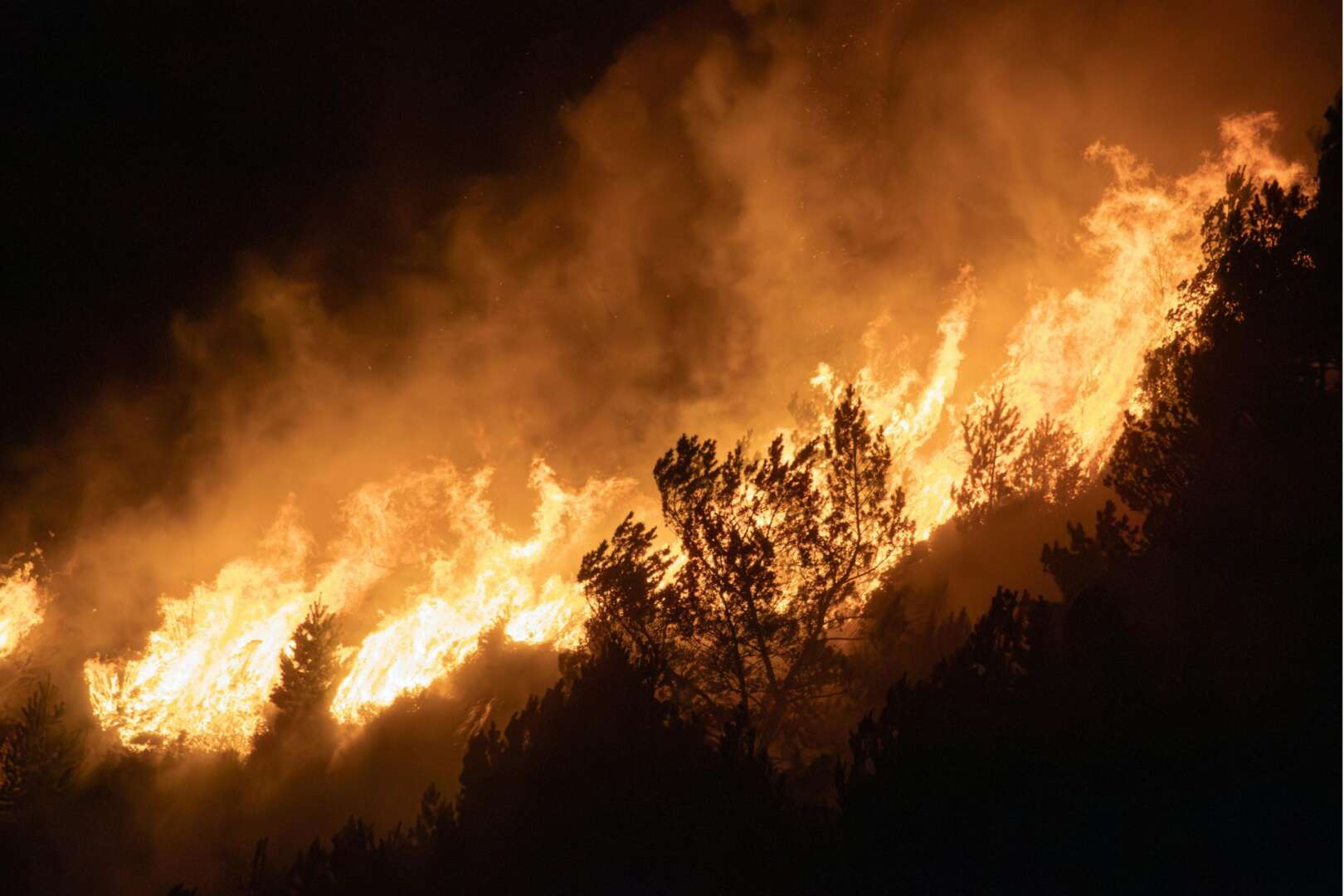
Smoke from massive wildfires burning across Canada drifted into Greater Cincinnati on Sunday, causing air quality to deteriorate across the region.
The Canadian wildfire smoke pushed the Air Quality Index (AQI) above 150 in parts of Cincinnati, placing air pollution in the “Unhealthy” category, according to the U.S. Environmental Protection Agency (EPA).
The hazy conditions affected visibility and prompted health officials to advise residents to reduce prolonged outdoor activities. Similar conditions stretched across much of the Midwest and Northeast as smoke traveled hundreds of miles from active fires in Canada.
The episode marked another reminder that wildfire seasons in Canada continue to affect communities far beyond the fire zones. Meteorologists said upper-level winds carried smoke southward into Ohio, Kentucky, and Indiana during the weekend. According to the National Weather Service, weather patterns can transport fine smoke particles over long distances, even when fires are thousands of miles away. Those particles can linger until changes in wind direction or rainfall improve air quality.
Canadian wildfire smoke sends AQI above unhealthy levels
The EPA’s Air Quality Index measures the concentration of several pollutants, including fine particulate matter known as PM2.5. During Sunday’s smoke event, AQI readings climbed above 150 in parts of Cincinnati, indicating unhealthy conditions for everyone, particularly with prolonged outdoor exposure.
According to the EPA, AQI categories include:
- 0–50: Good
- 51–100: Moderate
- 101–150: Unhealthy for Sensitive Groups
- 151–200: Unhealthy
- 201–300: Very Unhealthy
- 301 and above: Hazardous
An AQI above 150 means anyone spending extended periods outdoors may experience health effects. Children, older adults, pregnant women, outdoor workers, and people with asthma, chronic obstructive pulmonary disease (COPD), or heart disease face a greater risk of complications.
The fine particles found in wildfire smoke are small enough to travel deep into the lungs and may even enter the bloodstream. Health experts say exposure can trigger coughing, throat irritation, shortness of breath, eye irritation, and worsening symptoms for individuals with chronic respiratory or cardiovascular conditions.
Reuters reported that smoke from Canada’s extensive wildfire season spread across large portions of North America over the weekend, affecting multiple U.S. states. The Associated Press also reported that several Midwest and Northeast cities experienced unhealthy air quality because of smoke transported by weather systems.
Canadian wildfire smoke prompts health recommendations
Federal and local health officials encouraged residents to limit outdoor exposure while smoke remained concentrated over the region.
The EPA recommends several steps to reduce exposure during unhealthy air quality events:
- Limit prolonged or strenuous outdoor activities.
- Stay indoors with windows and doors closed when possible.
- Run air conditioning on recirculation if available.
- Use a portable air purifier equipped with a HEPA filter.
- Wear a properly fitted N95 or KN95 respirator if extended outdoor activity is unavoidable.
People with asthma should continue taking prescribed medications and keep rescue inhalers readily available. Individuals experiencing chest pain, severe shortness of breath, or other serious symptoms should seek immediate medical attention.
Local school districts, youth sports organizations, and outdoor employers often monitor AQI levels before deciding whether to modify outdoor activities. Organizers may shorten practices, move events indoors, or postpone activities when air quality reaches unhealthy levels.
Canadian wildfire smoke continues a growing regional challenge
Wildfire smoke has become an increasingly common summer concern across the eastern United States in recent years. Large fires burning in Canada’s boreal forests have repeatedly sent smoke into Ohio and neighboring states, sometimes producing some of the nation’s worst air quality for short periods.
Scientists attribute the long-distance transport to large-scale atmospheric circulation. Once smoke rises high into the atmosphere, prevailing winds can carry it hundreds or even thousands of miles before it gradually disperses.
Although the fires remain far from Ohio, residents often experience the health impacts through elevated concentrations of PM2.5. Unlike local pollution sources, wildfire smoke events can develop quickly as weather systems shift.
Meteorologists said air quality conditions would depend on changes in wind direction, atmospheric mixing, and precipitation. Rain and stronger air circulation often help remove smoke particles from the atmosphere, while stagnant weather can allow pollution to accumulate.
Residents can monitor current conditions using the EPA’s AirNow website, which provides real-time AQI updates and health guidance. Local forecasts from the National Weather Service also include air quality information when smoke affects the region.
For Cincinnati residents planning outdoor work, recreation, or athletic activities, checking daily AQI forecasts has become an increasingly important part of summer planning.
Also read:
Air quality alert extended across Greater Cincinnati through Wednesday
FAQs
What caused the poor air quality in Greater Cincinnati?
Smoke from active wildfires in Canada traveled into the Ohio Valley on upper-level winds, increasing concentrations of fine particulate matter (PM2.5). These particles reduced air quality and created hazy conditions across Greater Cincinnati.
What does an Air Quality Index above 150 mean?
An AQI above 150 falls into the “Unhealthy” category under the U.S. Environmental Protection Agency’s Air Quality Index. It means prolonged outdoor exposure may affect everyone, while sensitive groups face a greater risk of health effects.
Who should take extra precautions during wildfire smoke events?
Children, older adults, pregnant women, people with asthma or heart disease, and outdoor workers should reduce prolonged outdoor activities. Officials also recommend monitoring symptoms and following local health guidance during periods of unhealthy air quality.
How can residents monitor current air quality conditions?
Residents can check real-time Air Quality Index readings through the EPA’s AirNow website and monitor forecasts from the National Weather Service. Local updates help people plan outdoor activities when smoke affects the region.