
Share This Article
Article Summary
Flock cameras are facing increased scrutiny across Greater Cincinnati and Northern Kentucky. Oxford ended its Flock contract, while Hamilton residents are calling for similar action and other communities have taken steps to leave the system. The debate intensified after a Kentucky officer was charged over alleged misuse of Flock data and a U.S. senator opened an investigation into the company’s nationwide surveillance network.
Flock cameras face growing scrutiny across Greater Cincinnati as communities reconsider automated license plate readers.
The debate about it intensified after an Ohio city ended its program and a Kentucky officer faced charges over alleged database misuse.
The controversy has expanded beyond questions about crime prevention and public safety. Officials and residents are now debating data sharing, privacy protections and how police departments can access vehicle records.
The debate comes as a Kentucky police officer faces allegations that he repeatedly used the Flock system to track a woman’s movements. At the same time, communities across the Greater Cincinnati region have taken different approaches to the technology.
Flock cameras draw new scrutiny after Kentucky case
A Shively, Kentucky, police officer faces charges after investigators accused him of using Flock’s license plate database more than 2,000 times.
According to WAVE, Officer Asad Zahir allegedly searched the system more than 2,048 times between Jan. 1 and May 2. Investigators say the searches targeted two Kentucky vehicle registrations belonging to the mother of his child.
Zahir, 40, faces five counts of first-degree official misconduct and five counts of fourth-degree unlawful access to a computer. The allegations involve searches conducted over about five months.
The case has added a new example to the broader debate over police access to automated license plate reader data. It also comes as lawmakers and communities question whether existing safeguards can prevent improper searches.
A report by KKTV, citing WAVE and Gray News, also confirmed the charges and allegations involving the Flock system.
The allegations remain accusations, and the criminal case will determine the outcome.
Flock cameras trigger debate in Butler County
The controversy is also playing out in Butler County, where Oxford recently ended its Flock program.
Oxford City Council voted 6-1 to terminate its contract with Flock Safety. The vote made Oxford the first Southwest Ohio jurisdiction reported to end its Flock camera program.
Oxford had about 14 Flock cameras operating before the decision. Council members considered keeping the program with tighter safeguards before choosing to terminate the contract.
Councilman Bill Snavely said the central concern involved how other law enforcement agencies could use data collected in Oxford. Residents also raised concerns about privacy and continuous surveillance.
According to WLWT, council members recognized that Flock cameras had helped police investigations. The council nevertheless decided concerns about data access and surveillance outweighed those benefits.
The decision also highlights how Flock data can extend beyond the community where a camera operates. WVXU reported that a proposed safeguard would have reduced the number of agencies able to access Oxford’s data from about 2,215 to agencies in Butler and surrounding counties.
That proposed restriction did not satisfy all residents who opposed the program.
Flock cameras remain in use in Hamilton
Hamilton has not followed Oxford’s decision to end its Flock contract.
About 30 residents gathered outside the Butler County government building on Aug. 19 to protest Flock cameras. Demonstrators called on Hamilton officials to terminate the city’s agreement with the company.
FOX19 reported that protesters raised concerns about Fourth Amendment protections and the collection of information about residents who have not committed crimes. Some protesters also questioned the role of a private company in storing and managing surveillance data.
Hamilton officials have defended the technology as a public safety tool. A city statement said automated license plate readers, or ALPRs, help keep the community safe.
The city also said it intends to use the technology in a way that reflects its values and commitment to residents. That position puts Hamilton on a different path from Oxford.
The disagreement reflects a broader question facing local governments: whether the crime-solving benefits of license plate readers outweigh concerns about large-scale vehicle tracking.
Flock cameras face wider Tri-State pushback
The debate has spread beyond Butler County and into Northern Kentucky.
Fort Mitchell ended its relationship with Flock after residents raised concerns about surveillance and privacy. Newport previously decided not to pursue a permanent Flock contract after residents voiced similar concerns. Erlanger has also announced plans to end its Flock agreement.
Newport’s decision came after residents spoke against the technology at a city meeting. WVXU reported that the city’s police department cited resident concerns and a recent Supreme Court ruling involving privacy and digital location data.
Independence has also decided to remove its Flock cameras, according to WCPO. The decision followed community debate over the technology and its use. Meanwhile, not every local government is moving toward removal.
Delhi Township recently launched a public transparency portal explaining its use of Flock cameras. FOX19 reported that the portal provides information about the department’s policies and how officials use the technology.
The different approaches show that Greater Cincinnati communities are not reaching one conclusion about automated license plate readers.
Some are ending contracts. Others are keeping the technology while adding transparency or oversight.
Flock changes its privacy safeguards
Flock Safety has also responded to the growing criticism.
The company announced changes to its database system earlier this month after months of reporting and public scrutiny. FOX19 reported that Flock described the changes as part of a broader effort involving privacy, security and accountability.
The company has said it wants to strengthen safeguards while maintaining the technology’s role in public safety.
The changes come as police departments face questions about who can search Flock databases and why. The recent Kentucky case has made those questions more immediate for communities considering whether to continue using the system.
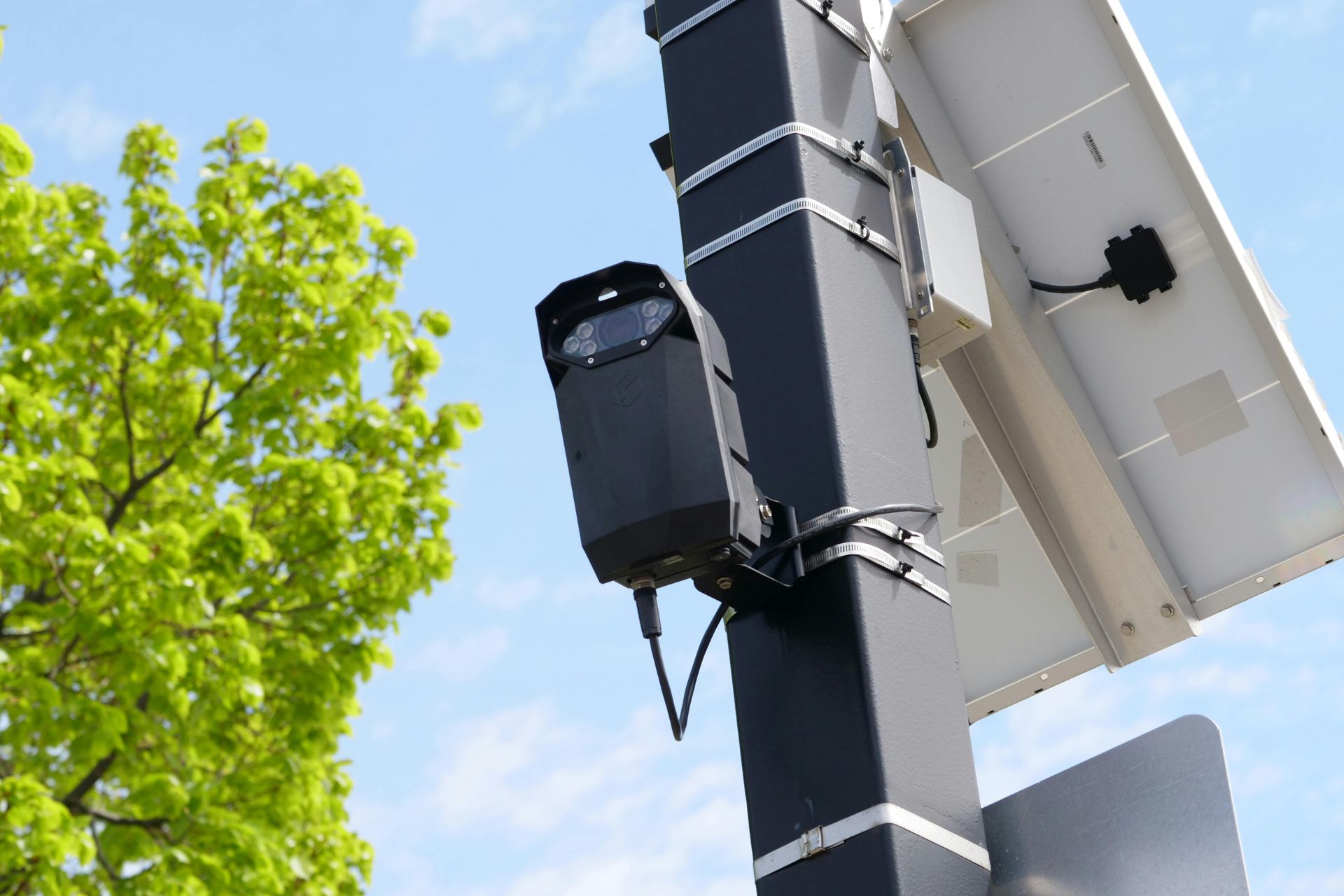
Flock’s technology records passing vehicles and can provide law enforcement with information about vehicle locations and characteristics. Police agencies use the information to investigate crimes, locate suspects and identify vehicles connected to investigations.
A recent Cincinnati-area example shows why police departments value the technology. In July, Forest Park police said a Flock alert helped officers locate a stolen Kia before a pursuit ended near Winton Woods.
That public safety benefit remains an important part of the debate.
Senate investigation puts Flock under national scrutiny
The controversy reached Washington this week.
Sen. Josh Hawley, R-Mo., chairman of the Senate Judiciary Subcommittee on Crime and Counterterrorism, opened an investigation into Flock Safety on Aug. 26. He requested information about how the company collects, retains and shares data generated by its cameras.
Hawley said Flock claims to operate more than 120,000 cameras across 49 states and process more than 20 billion vehicle scans each month. His letter asks the company to provide documents and information by Sept. 8.
The investigation focuses partly on whether the growing network creates a searchable record of Americans’ movements. Hawley also raised questions about data access, retention, accuracy and potential commercial uses.
Flock said it received the letter and plans to respond. The company said it would provide additional information about its technology, safeguards and law enforcement use.
The Senate inquiry adds national pressure to a debate already unfolding in Greater Cincinnati.
For local governments, the issue now involves more than whether Flock cameras help solve crimes. Officials must also determine what safeguards residents expect before their communities continue collecting vehicle-location data.
What happens next in Greater Cincinnati?
The Flock debate is likely to continue as local governments review contracts and residents push for more information.
Oxford’s decision provides a nearby example for communities considering termination. Hamilton’s continued use offers a contrasting approach.
The Kentucky officer case could also influence local discussions about employee access and auditing. It demonstrates why communities are asking how agencies detect improper searches and discipline employees who misuse surveillance databases.
For residents, the key questions include:
- Which agencies can access local Flock data?
- How long does the data remain available?
- What justification does an officer need before conducting a search?
- How are improper searches detected?
- Can another agency access data collected locally?
- What happens to stored data after a contract ends?
Those questions are likely to remain central as Greater Cincinnati communities decide whether to expand, restrict or end their use of automated license plate readers.
FAQs
What are Flock cameras?
Flock cameras are automated license plate reader systems used by law enforcement and other organizations. They capture vehicle information that can help agencies investigate crimes and locate vehicles.
Why are Flock cameras controversial?
Critics argue that the technology can create extensive records of vehicle movements and raise privacy concerns. Supporters say the cameras help police identify stolen vehicles and solve crimes.
Did Oxford remove its Flock cameras?
Oxford City Council voted 6-1 to terminate its Flock contract. The city had about 14 cameras operating before the decision.
What happened to the Kentucky police officer?
Shively Officer Asad Zahir faces charges after investigators alleged he searched Flock’s database more than 2,048 times while tracking two vehicle registrations. The allegations concern searches conducted between January and May 2026.