
Share This Article
Article Summary
Drowning prevention is receiving increased attention in Cincinnati as the summer swimming season begins. Local officials and national health organizations report that drowning remains a leading cause of accidental death among young children. Safety experts emphasize supervision, swimming lessons, life jackets, pool barriers, and CPR training as key prevention measures. Public pools, rivers, lakes, and water parks across the region are expected to see higher activity throughout the season.
Summer drowning prevention takes focus as Cincinnati enters peak swimming season
As the summer recreation season begins, water safety advocates are reminding parents and caregivers that drowning can happen quickly and often without warning.
The renewed focus comes as public pools open across the region and families spend more time around water.
National experts continue to identify drowning as one of the leading causes of accidental death among young children, making prevention a major public health concern.
According to the American Academy of Pediatrics, drowning remains the leading cause of unintentional injury death among children ages 1 to 4. The organization recently updated its recommendations and emphasized multiple layers of protection, including constant supervision, swim lessons, life jackets, pool barriers, and CPR training.
Drowning prevention remains a concern in Greater Cincinnati because residents have access to numerous aquatic recreation areas, including public pools, neighborhood spraygrounds, the Ohio River, nearby lakes, and water parks. Local officials say education and preparedness can significantly reduce risks.
Drowning prevention messages gain urgency during summer
The start of summer traditionally marks the busiest period for water-related recreation. The Cincinnati Recreation Commission opened pools and spraygrounds for the 2026 season to provide residents with places to cool off during warm weather. City officials described these facilities as important community resources that offer safe and supervised recreation opportunities. According to the City of Cincinnati, select pools and spraygrounds opened ahead of schedule because of early-season heat. According to the Cincinnati Recreation Commission, aquatic facilities play a critical role in community health, recreation, and heat relief.
The drowning prevention conversation extends beyond pools. Open-water environments such as rivers and lakes present additional hazards, including currents, changing water conditions, limited visibility, and boating traffic. Safety experts consistently advise swimmers to wear properly fitted life jackets when participating in boating or open-water activities.
Local television stations and regional news outlets have highlighted the issue as summer begins. Local 12 recently focused on drowning prevention awareness, while other broadcasters nationwide have reported similar warnings from water safety professionals. According to reports from water safety advocates, drownings frequently occur in moments when adult attention shifts elsewhere.
The American Academy of Pediatrics notes that no single intervention can prevent every drowning incident. Instead, experts recommend a layered approach that combines supervision, swimming skills, barriers, and emergency preparedness.
Why drowning prevention matters for families
Children remain the most vulnerable group, but experts stress that drowning can affect people of all ages. The latest pediatric guidance from the American Academy of Pediatrics emphasizes that toddlers face particularly high risks because they can access water unexpectedly and may lack the ability to call for help.
Key water safety recommendations include:
- Maintain constant adult supervision near water.
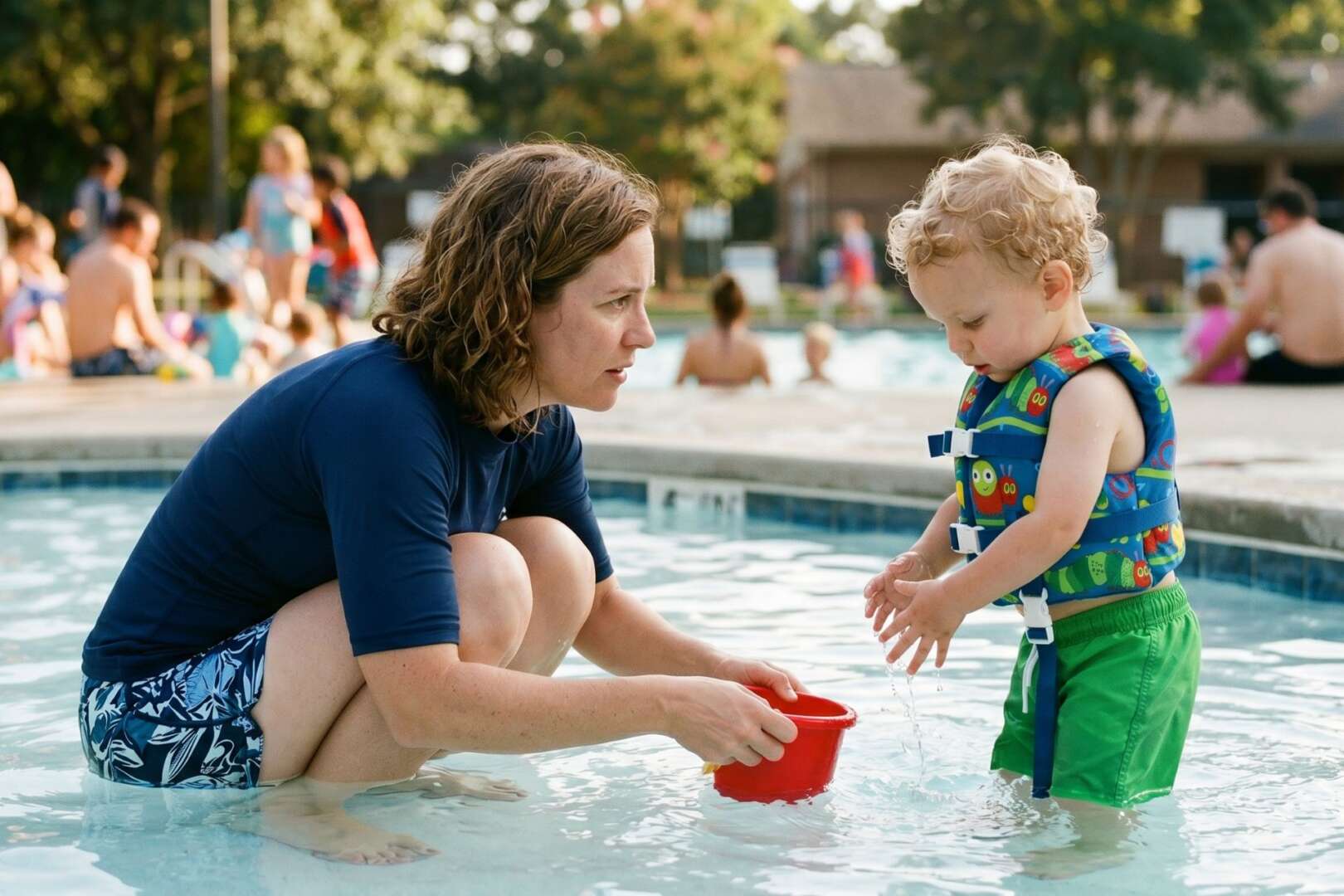
- Keep inexperienced swimmers within arm’s reach.
- Enroll children in age-appropriate swimming lessons.
- Use U.S. Coast Guard-approved life jackets in open water.
- Install barriers and secure access points around pools.
- Learn CPR and basic emergency response techniques.
- Avoid distractions such as mobile phones while supervising swimmers.
The updated AAP policy also recommends introducing swimming lessons after a child’s first birthday when developmentally appropriate. According to the organization, swim instruction can reduce drowning risk when combined with other protective measures.
National attention on drowning prevention has also increased because of growing concerns about disparities in drowning rates. Recent reports cited by health organizations indicate that some demographic groups continue to face disproportionately high drowning risks. Experts say improved access to swim education and water safety programs can help address those gaps.
Drowning prevention education expands nationwide
Water safety organizations across the country have launched seasonal awareness campaigns ahead of the summer months. These efforts focus on teaching families practical skills that can prevent tragedies before they occur.
According to national drowning prevention campaigns, many incidents occur during routine recreational activities. Experts emphasize that drowning often happens silently, making vigilance essential even in supervised environments.
Several recent reports from health and safety organizations have stressed that swimming ability alone does not eliminate risk. Strong swimmers can still encounter emergencies caused by fatigue, medical events, currents, or unexpected water conditions.
In Greater Cincinnati, swim instructors have repeatedly emphasized the importance of early water safety education. Regional swimming programs continue to teach children how to respond when they unexpectedly enter the water and how to perform basic self-rescue techniques.
The broader goal of drowning prevention initiatives is to create multiple safeguards that work together. Health experts say that when supervision, swim skills, life jackets, barriers, and emergency preparedness are combined, the likelihood of a fatal incident drops significantly.
Community resources support summer safety
Public recreation facilities continue to serve as important resources for families seeking safe environments during the summer. Cincinnati’s public pools and spraygrounds provide supervised settings where children and adults can cool off while practicing safe water habits.
Community organizations, healthcare providers, and recreation departments also offer educational materials and swimming programs throughout the season. Families can access guidance through the American Academy of Pediatrics and water safety information from the Centers for Disease Control and Prevention.
For local residents, water safety experts recommend reviewing household rules before visiting pools, lakes, or rivers. Establishing expectations and maintaining close supervision remain among the most effective strategies for preventing emergencies.
As summer activity increases across Greater Cincinnati, officials and health experts agree on one message: consistent supervision and preparation remain the strongest defenses against drowning incidents.
FAQs
What makes drowning prevention a priority during summer?
Drowning prevention becomes a priority in summer because more people visit pools, lakes, rivers, and water parks. Increased water exposure raises the risk of accidental drowning incidents, especially among children.
Who is most at risk of drowning incidents?
Children between the ages of 1 and 4 are at the highest risk of drowning. However, safety officials note that adults can also be affected, particularly in open water environments or during recreational activities.
What are the most important water safety measures?
Experts recommend constant adult supervision, swimming lessons, and the use of life jackets in open water. Additional safety measures include installing pool barriers and learning CPR for emergency response.
Why is supervision important even for strong swimmers?
Drowning can occur quickly and often without obvious signs of distress, even among experienced swimmers. Continuous supervision helps reduce response time during emergencies and improves safety outcomes.