



Share This Article
Article Summary:
Cincinnati Public Schools’ board is expected to vote Aug. 3, 2026, on rescinding the 0.75% earned income tax levy it approved 5-2 on July 27, after swift bipartisan backlash. If rescinded, the board could replace it with a 7-mill or 8-mill property tax option before the county’s Aug. 5 filing deadline for the November ballot.
CPS Levy Reversal Could Reshape the November Ballot
Cincinnati Public Schools’ board could reverse its own income tax levy just one week after approving it.
Board members will vote Monday on rescinding the earned income tax levy they approved July 27.
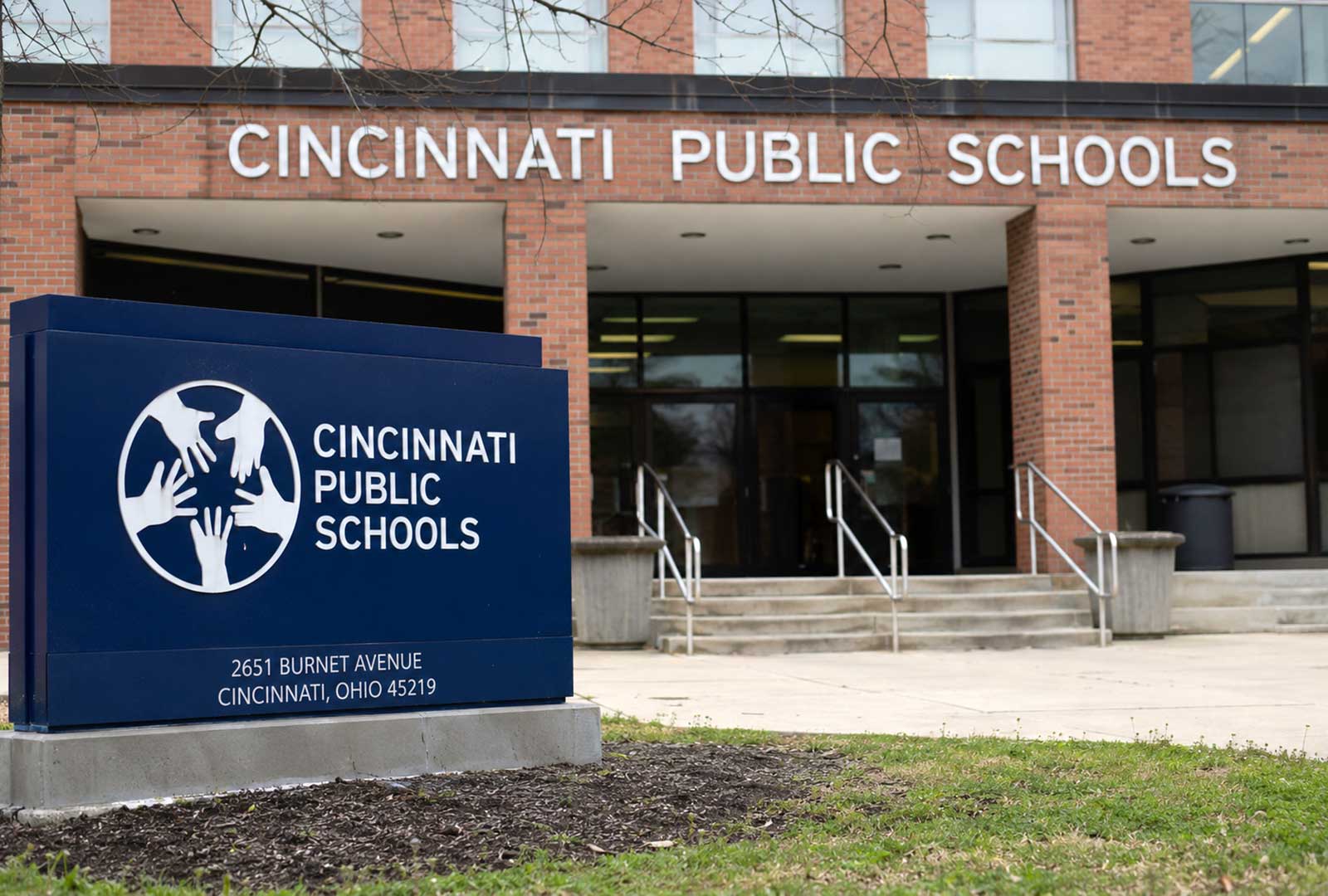
Less than a week after approving a first-of-its-kind earned income tax, Cincinnati Public Schools’ board is preparing to vote on a CPS levy reversal. Board President Brandon Craig told the Cincinnati Enquirer the board would likely rescind the tax at its Aug. 3 meeting. It could then vote on a property tax option instead. This follows an earlier Exchange story on the original levy vote.
First, the board approved the earned income tax 5-2 in a special meeting on July 27. In fact, it marked the first time in district history that CPS had proposed an income tax instead of a property tax levy. The plan targeted $74 million a year for five years. A resident earning $54,500, the district’s average, would have paid about $408 annually. The tax excluded retirement income, Social Security and investment income. Only district residents would have paid it, though, not commuters who work in Cincinnati.
Opposition came quickly and from unusual corners. The Hamilton County Republican Party condemned the proposal. Then the Hamilton County Democratic Party’s executive committee urged the board not to place it on the ballot, a notable move because every current board member is a Democrat, even though the seats are officially nonpartisan. The Cincinnati Federation of Teachers also opposed the earned income tax, arguing it would disproportionately affect working families and students with jobs.
Cincinnati Mayor Aftab Pureval added another wrinkle. He told WVXU he wants the board to reconsider the 0.75% rate. Local conversations, he said, had pointed toward something closer to 0.2%. He also has his own income tax plans for children’s services. A competing measure on the same ballot could complicate both.
If the board rescinds the measure Monday, it would amount to one of the fastest reversals of a major tax decision in recent CPS history. It would also reset the district’s campaign just days before the ballot filing deadline.
Why the CPS Levy Reversal Happened
CPS considered three options in June: a 7-mill property tax, an 8-mill property tax, or the earned income tax. Ohio bases property taxes on assessed value, which generally equals 35% of a home’s market value. The 7-mill option would have raised about $65 million a year, or $245 per $100,000 of assessed value. Meanwhile, the 8-mill option matched the income tax’s $74 million target, at $280 per $100,000 of assessed value.
Notably, Board Vice President Kareem Moffett argued strongly against a property tax, saying it would place too much weight on homeowners. That’s part of what makes the CPS levy reversal notable. The board may now adopt the very option it just rejected days ago. CPS Treasurer Michael Gustin has explained how the tax works instead. It follows where a person lives, not where they work. So a Cincinnati resident who commutes to Blue Ash would still pay. A Blue Ash resident who works in Cincinnati would not.
What’s at Stake Financially
None of this changes the district’s underlying problem. CPS closed a $58.6 million budget gap in June. The fix included more than 100 position cuts, five furlough days and a 10% reduction in non-personnel spending. Officials have warned that without new revenue, 2027 could bring school consolidations, reduced transportation or new pay-to-play fees.
The district hasn’t won voter approval for a new general operating levy since 2008. A 2016 levy renewed in 2020 funds preschool and specific K-12 programs, but it added no new general operating money. That gap is why board members felt pressure to act this summer. Even so, they’re now reconsidering which tax mechanism to use.
The Timeline From Here
Still, the county’s filing deadline to place a measure on the November ballot falls at 4 p.m. on Aug. 5. That gives the board almost no room after Monday’s meeting to finalize a replacement, if any. Craig has said the reversal isn’t primarily about party politics, even though both parties objected. He described it instead as responding to a broader group of residents who raised concerns about the plan.
The CPS levy reversal leaves one big question unresolved: whether the board settles on the 7-mill option, the 8-mill option, or nothing at all. By Monday night, voters should know whether they’re deciding between an income tax, a property tax, or no new tax request at all this November.
FAQs
What is the CPS levy reversal?
As of this writing, the CPS board hasn’t voted yet. The Aug. 3 meeting agenda includes a motion to rescind the 0.75% earned income tax the board approved 5-2 on July 27. Board President Brandon Craig has told the Cincinnati Enquirer the board would likely approve the rescission and consider a property tax option instead.
Why did CPS propose an income tax instead of a property tax?
Board members cited property tax fatigue among homeowners and a desire to protect retirees on fixed incomes. Board Vice President Kareem Moffett argued specifically against a property tax, saying it would place too much burden on homeowners. The board chose the earned income tax over two property tax alternatives it had also considered.
What caused the backlash against the CPS levy?
Both major political parties in Hamilton County objected within a day of the vote. The county Republican Party chairman called it “offensive,” and the Hamilton County Democratic Party’s executive committee, notable since all CPS board members are Democrats, voted to urge the board not to place it on the ballot. The teachers’ union and Cincinnati’s mayor also raised objections.
What are the property tax alternatives CPS is considering?
The board evaluated a 7-mill, five-year property tax that would raise about $65 million a year, or $245 per $100,000 of assessed value, and an 8-mill option that would match the income tax’s $74 million target at $280 per $100,000 of assessed value.
When is the deadline for CPS to finalize a November ballot measure?
Hamilton County’s filing deadline is 4 p.m. on Aug. 5, 2026, just two days after the board’s Aug. 3 meeting where the rescission and any replacement levy are expected to be decided.
This article was produced using a combination of original reporting, publicly available reporting from the Cincinnati Enquirer, Fox19, WCPO, WVXU, Local 12, and other cited outlets, and AI-assisted drafting, and was reviewed and fact-checked by a human editor before publication. As of publication, the CPS board had not yet voted on the rescission motion described in this article; all statements about the board’s likely actions are attributed to named officials and sourced reporting, not confirmed outcomes. Readers should check CPS’s official BoardDocs agenda or local news outlets for results after the Aug. 3 meeting.