



Share This Article
Article Summary
Spotted lanternflies are appearing in large numbers across Greater Cincinnati as the insects enter their fall egg-laying period. Experts are urging residents to kill adult lanternflies and nymphs, destroy accessible egg masses and inspect vehicles and outdoor equipment before moving them. Tree-of-heaven, the insect’s preferred host, is also a target for long-term management.
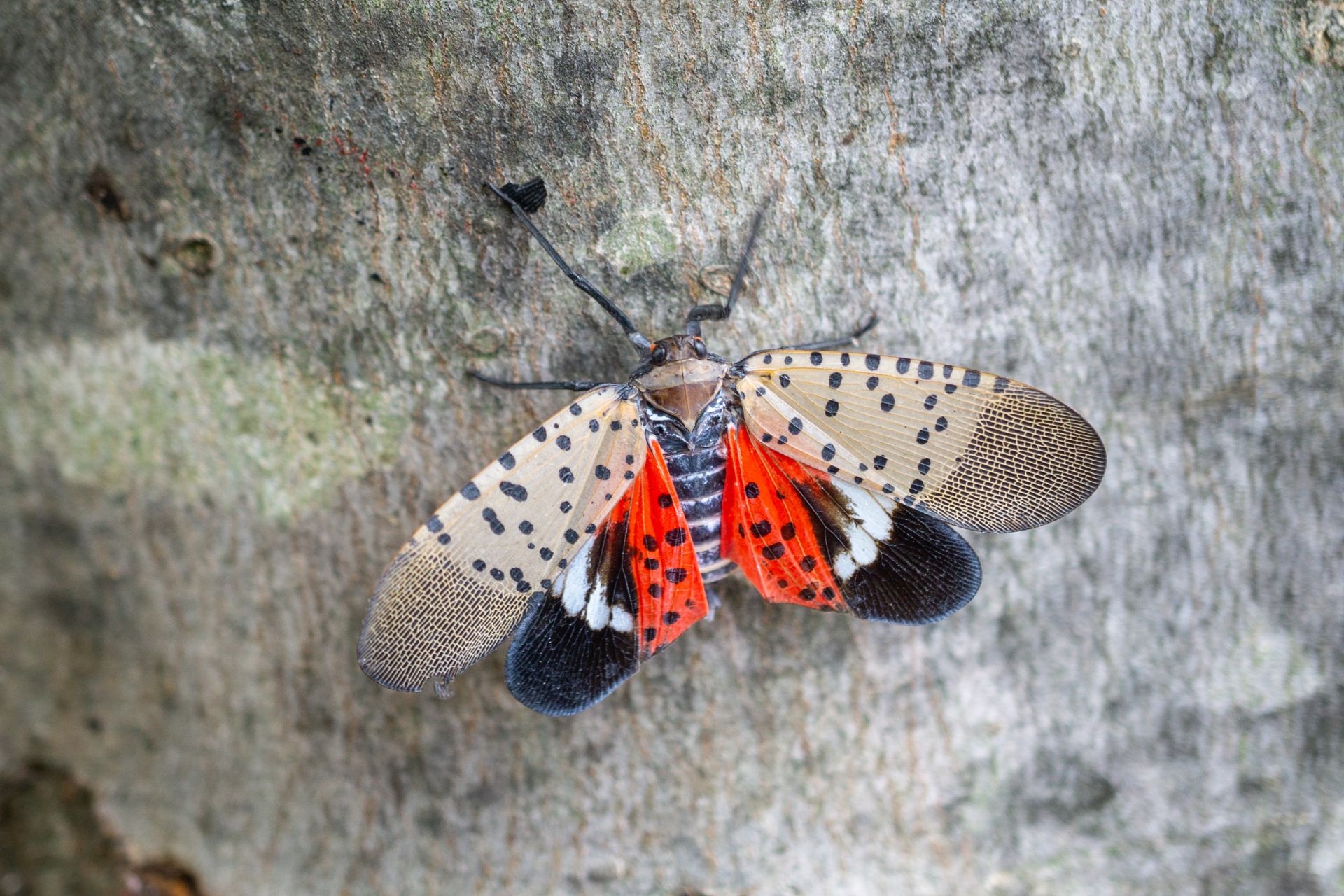
Spotted lanternflies are appearing in large numbers across Greater Cincinnati as the invasive insects enter the egg-laying season.
They are now common across the Cincinnati area, and experts are urging residents to kill adults and nymphs and remove egg masses before they hatch next spring.
The invasive pest has spread throughout Ohio since it was first detected in the state in 2020. Cincinnati Parks says all 88 Ohio counties are under quarantine as of 2026.
Egg-laying season
Spotted lanternflies are entering a critical period as females prepare to lay egg masses.
Dr. Gene Kritsky, professor emeritus of biology at Mount St. Joseph University, told WLWT that residents should squish adult lanternflies and nymphs when they see them.
Penn State Extension says spotted lanternflies lay eggs from late summer into early winter, with most egg-laying occurring in October. Each egg mass contains an average of 30 to 50 eggs.
The egg masses can survive the winter and hatch in spring.
Residents can find them on trees and other surfaces, including outdoor furniture, decks, fences, vehicles, firewood and equipment.
Three days ago, a user posted on Reddit on what they spotted.
“This building on UCs campus is literally covered with them along the entire foundation,” the user said.
Are we still concerned about the spotted lanternfly?
by
u/Boston_Jon_189 in
cincinnati
How to destroy spotted lanternfly eggs
Residents who find egg masses can scrape them from hard surfaces using a plastic card, putty knife or similar tool.
Penn State Extension recommends scraping the eggs into a container or bag containing rubbing alcohol or hand sanitizer and keeping them in the solution. Eggs left on the ground can still hatch.
Cincinnati Parks also advises residents to scrape egg masses into water mixed with dish soap or rubbing alcohol.
Residents should focus on egg masses they can safely reach. Penn State researchers found that less than two percent of egg masses deposited on trees were within reachable height, so experts do not recommend climbing trees or using ladders to remove them.
Check cars and outdoor equipment before moving them
Spotted lanternflies can hitchhike on vehicles and outdoor equipment, helping the invasive species spread to new areas.
USDA advises residents to inspect vehicles before leaving areas where lanternflies are present. Checks should include doors, sides, bumpers, wheel wells, grills and roofs.
Residents should also inspect outdoor furniture, firewood, trailers and other equipment for insects or egg masses before transporting them.
Cincinnati Parks similarly advises checking vehicles, trailers, outdoor equipment, firewood and other materials before moving them.
Tree of heaven remains a major concern
The spotted lanternfly’s preferred host is the tree of heaven, an invasive tree that is also established in the Cincinnati region.
Cincinnati Parks says reducing tree-of-heaven populations can help with long-term spotted lanternfly management. However, residents should not simply cut the trees down because doing so can trigger extensive root sprouting.
Kritsky told WLWT that property owners should treat the tree of heaven with a targeted herbicide first, allow the tree to die and then remove it.
Why spotted lanternflies are a concern
Spotted lanternflies feed on plant sap and can stress plants when they occur in large numbers. Cincinnati Parks says the insects can feed on more than 100 plant species, although the tree of heaven remains their preferred host.
The insects also produce a sticky substance called honeydew that can accumulate on vehicles, sidewalks, outdoor furniture and vegetation. The residue can attract other insects and contribute to sooty mold.
Cincinnati has also seen local discussion about whether Lazarus lizards are helping control the lanternfly population. Kritsky told Axios Cincinnati that he has not seen evidence that the lizards eat adult lanternflies, although smaller nymphs could potentially become prey.
Cincinnati Parks says residents can help slow the spread by killing lanternflies, destroying accessible egg masses, inspecting items before transporting them and managing tree-of-heaven infestations safely.
FAQs
Where can residents find spotted lanternfly egg masses?
Egg masses can appear on trees, outdoor furniture, decks, fences, vehicles, firewood and other hard surfaces. Residents should also check outdoor equipment and other items that may be transported.
Are spotted lanternflies dangerous to people?
Spotted lanternflies are not considered a direct threat to people or pets. They do not bite or sting, although large infestations can become a nuisance.
Why are spotted lanternflies considered invasive?
Spotted lanternflies are native to parts of Asia and can damage plants by feeding on their sap. Their ability to hitchhike on vehicles and other items also allows them to spread into new areas.


