
Share This Article
Article Summary
The Cincinnati Fire Department has activated a heat safety plan as dangerous temperatures and high humidity increase emergency calls across the city. Fire officials expect about a 13-percent rise in call volume and have added paramedic units, expanded crew rotations, and increased on-scene medical monitoring to protect firefighters. The measures are designed to maintain emergency response while reducing the risk of heat-related illnesses among first responders. Residents are also encouraged to take precautions as extreme heat continues across the Tri-State.
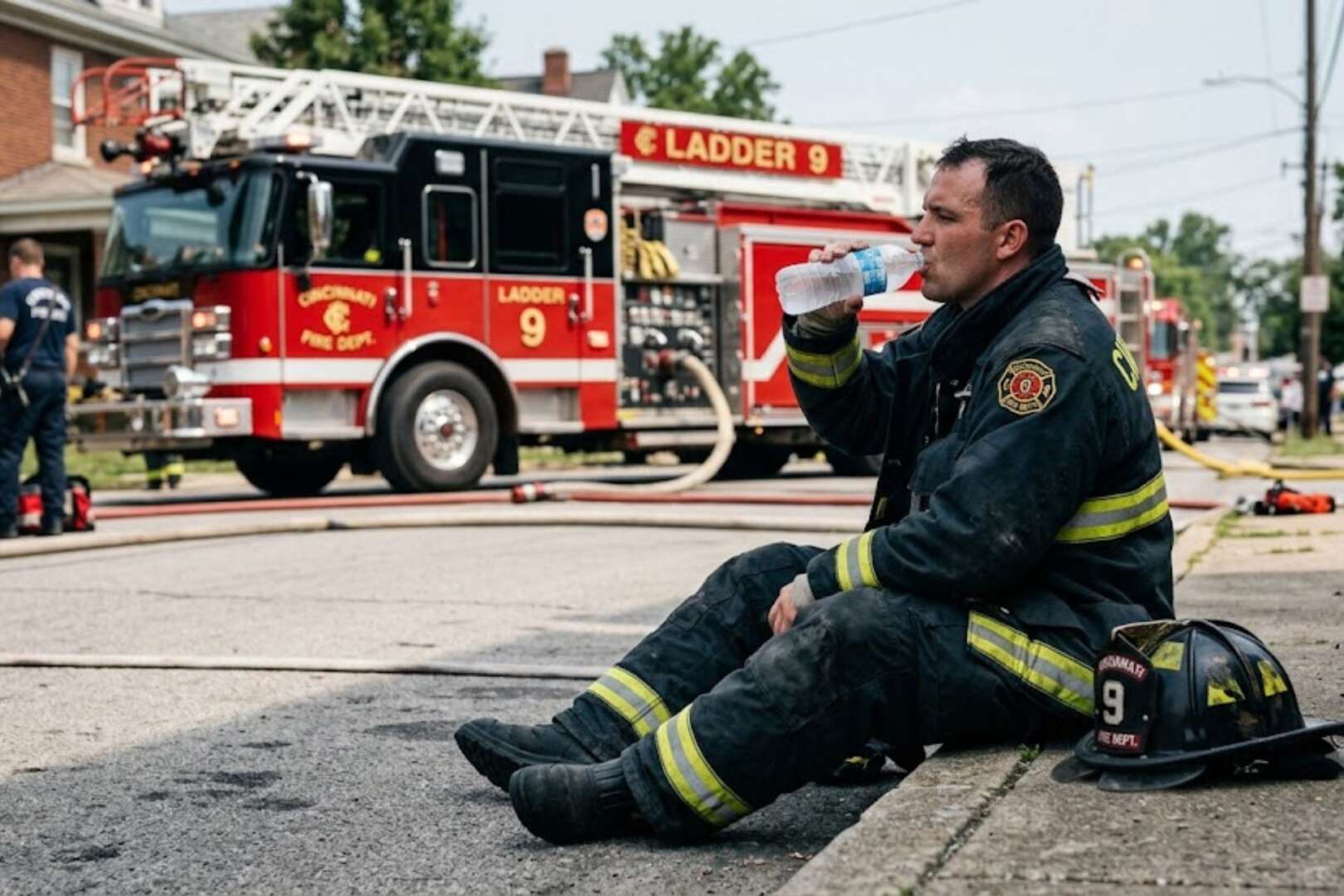
Cincinnati fire crews prepare for dangerous heat.
They are reportedly using a citywide heat safety plan as forecasters warn of extreme temperatures and a surge in emergency calls.
The Cincinnati Fire Department has activated a comprehensive heat safety strategy as dangerous heat and humidity grip the Tri-State. The aim is to protect both firefighters and residents during one of the hottest stretches of the summer.
Fire officials expect approximately a 13-percent increase in emergency call volume during the current heat wave, driven largely by heat-related illnesses, dehydration, and the added strain extreme weather places on vulnerable populations. According to Local 12, the department has expanded staffing. In addition, it has increased medical monitoring and adjusted emergency operations to ensure crews remain healthy while responding to emergencies.
The National Weather Service has issued an Extreme Heat Warning for Greater Cincinnati. Heat index values are expected to exceed 100 degrees through much of the week. Meteorologists warn that prolonged exposure to these conditions can quickly lead to heat exhaustion or heat stroke without proper precautions.
“Working together every day. Got to make sure everyone stays as a team. It’s hot. So, it’s going to be hard out here. So, you got to work together as much as you can. We have hard days, and so, just leaning on each other as much as you possibly can,” said Cincinnati Fire recruit Solange Cooper in a report by Local 12.
Cincinnati fire crews add resources during heat emergency
The department’s heat response plan focuses on maintaining emergency service. Additionally, it works to reduce the physical toll on firefighters working in heavy protective equipment.
According to Local 12, Cincinnati Fire has placed two additional paramedic units into service to help absorb the anticipated increase in medical emergencies. The added units are designed to improve response capacity. Furthermore, they ease the workload on frontline crews.
Firefighters routinely work in gear weighing between 70 and 80 pounds, including self-contained breathing apparatus, helmets, and protective clothing. Assistant Fire Chief Matt Flagler told Local 12 that the equipment traps body heat. Consequently, physically demanding work becomes significantly more dangerous when temperatures and humidity rise.
To reduce heat stress, incident commanders are dispatching additional fire companies to larger emergencies. This allows firefighters to rotate out of active operations more frequently, giving them opportunities to cool down, rehydrate, and recover before returning to work.
The department has also assigned paramedics to monitor firefighters’ health during incidents by checking:
- Heart rate
- Blood pressure
- Other vital signs associated with heat-related illness
Officials say these assessments help identify early warning signs before a firefighter experiences a medical emergency.
The National Weather Service recommends frequent hydration. It also advises limiting strenuous outdoor activity during the hottest parts of the day, and recognizing symptoms such as dizziness, heavy sweating, confusion, nausea, and rapid heartbeat.
Cincinnati fire crews balance firefighter safety and public response
While firefighters receive additional protection, officials emphasize that emergency response standards remain unchanged for residents calling 911.
According to Local 12, the department’s strategy centers on protecting personnel without slowing emergency operations. Additional staffing enables crews to rotate more often while maintaining full response capability across the city.
The focus on firefighter health comes during an especially demanding year for the Cincinnati Fire Department.
WLWT previously reported that department leaders have warned about increasing emergency calls while facing ongoing staffing and budget pressures. Fire Chief Frank McKinley has said the department continues to experience growing demand for emergency medical services. This is alongside traditional fire suppression responsibilities.
The department has also dealt with an unusually high number of fatal residential fires in 2026, increasing the workload for firefighters responding to emergencies across Cincinnati. WCPO reported that city officials have described the number of deadly residential fires as unprecedented this year.
Cincinnati fire crews urge residents to prepare for extreme heat
Fire officials say residents also play an important role in reducing emergencies during dangerous weather.
Health experts interviewed by WCPO recommend that people:
- Drink water before becoming thirsty.
- Avoid prolonged outdoor activity between 10 a.m. and 4 p.m.
- Wear lightweight, loose-fitting clothing.
- Check on older adults, young children, and neighbors without air conditioning.
- Seek air-conditioned spaces if symptoms of heat illness develop.
Medical professionals also caution that alcohol can increase dehydration and that individuals with heart disease or those taking medications such as diuretics should take additional precautions during extreme heat.
The City of Cincinnati and community organizations have also opened cooling options, including recreation centers, libraries, and other public facilities. Residents can escape dangerous temperatures during the warning period at these locations.
Cincinnati fire crews continue training for hotter summers
The department is also preparing new firefighters. They are being readied for increasingly frequent periods of extreme heat.
According to Local 12, recruits receive training on recognizing heat stress, maintaining hydration, and working as teams to monitor one another during physically demanding incidents. Fire officials say those lessons have become increasingly important. This is because prolonged periods of dangerous heat are becoming more common across the region.
The current heat response reflects a broader emphasis on firefighter wellness that extends beyond emergency incidents. Recent city budget proposals include continued funding for firefighter health and cancer screenings. They also support additional public safety resources.
With temperatures expected to remain dangerously high through at least Thursday, officials encourage residents to stay informed through the National Weather Service. Residents should also follow heat safety guidance from the Centers for Disease Control and Prevention.
Residents can also stay informed by reading The Cincinnati Exchange’s coverage of heat safety tips for Greater Cincinnati and the publication’s weather preparedness updates. These offer additional local information during the ongoing heat wave.
Also read:
Dangerous heat wave triggers widespread warnings across Ohio, Kentucky
FAQs
Why did the Cincinnati Fire Department activate a heat safety plan?
The department activated the plan because dangerous heat and humidity are expected to increase emergency calls and place additional physical stress on firefighters. The strategy helps protect crews while maintaining emergency response throughout the city.
What changes has the fire department made during the heat wave?
The department has added two paramedic units, assigned more crews to major incidents, and increased health monitoring for firefighters at emergency scenes. These steps allow firefighters to rotate more frequently and recover between assignments.
Why is extreme heat especially dangerous for firefighters?
Firefighters wear protective gear that can weigh 70 to 80 pounds, making it harder for body heat to escape during physically demanding work. Combined with high temperatures and humidity, the equipment increases the risk of heat-related illnesses.
How can residents stay safe during dangerous heat?
Residents should drink plenty of water, limit strenuous outdoor activities during the hottest parts of the day, and use air-conditioned spaces whenever possible. Officials also recommend checking on older adults, young children, and others who may be more vulnerable to heat-related illnesses.