



Share This Article
Article Summary
Cincinnati City Council unanimously approved a measure requiring a 30-day review of the city’s response to July’s severe East Side flooding. The review will examine what worked, what did not and what changes could improve Cincinnati’s preparation for future flash floods. The July flooding damaged at least 118 homes and businesses that met preliminary federal damage-assessment criteria and left one person dead and three injured.
The Cincinnati City Council has ordered a 30-day review of the city’s response to the severe flooding that hit the East Side in July.
The flood response review will examine what worked, what did not work and what Cincinnati should start, stop and continue doing to prepare for future flash floods.
Council seeks lessons from July flooding
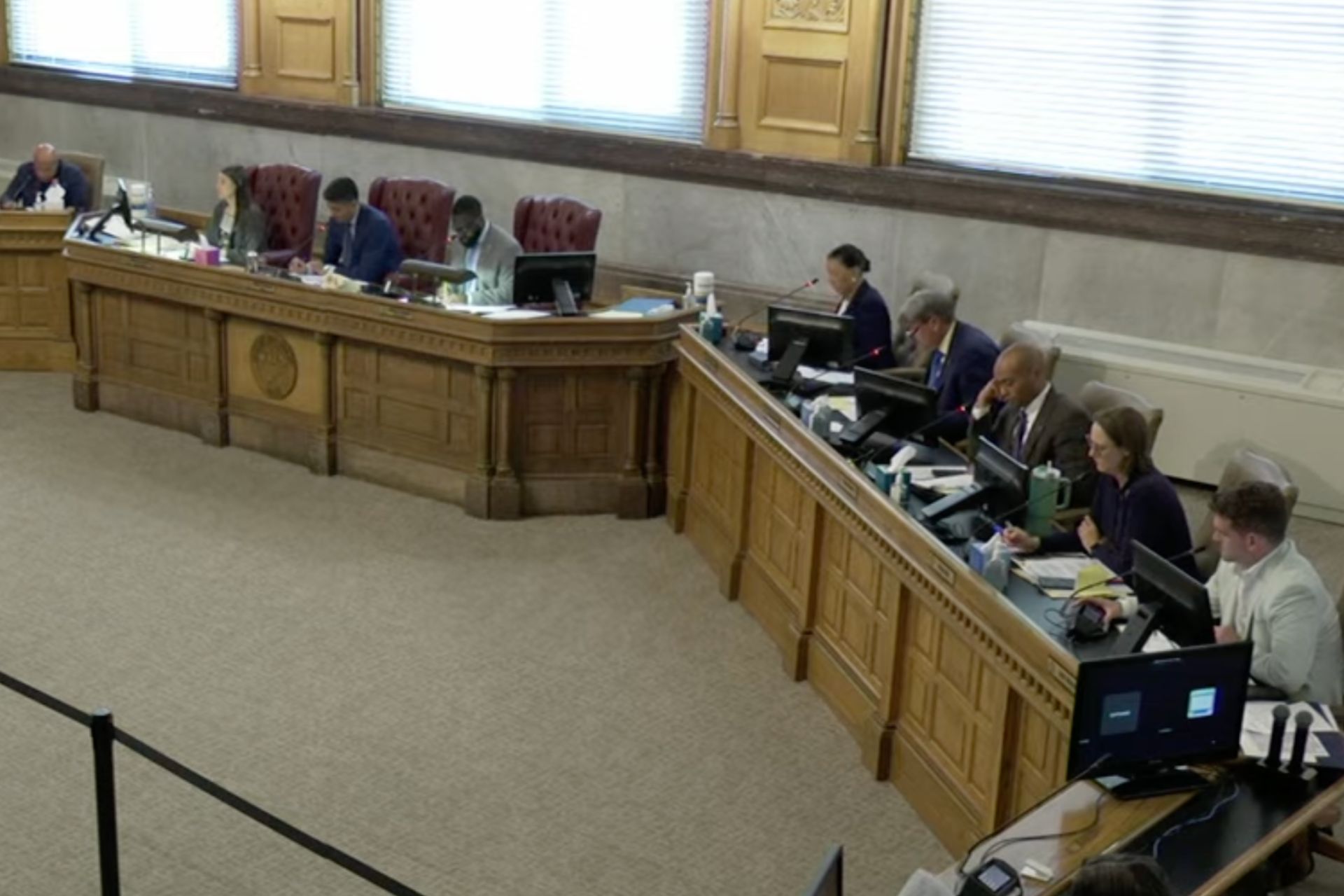
The Council unanimously approved the measure Sept. 16. They directed the city administration to provide a comprehensive 2026 after-action analysis to the City Council within 30 days, WLWT reported.
The motion was introduced by Councilmembers Mark Jeffreys and Anna Albi. It calls for the analysis to be delivered either as a report or a presentation to Council.
Jeffreys said residents need a clear plan for how the city will respond if similar flooding happens again.
“I think after the flash floods in July, what residents want is a plan, even if it’s years in the making, for what we plan to do as a city,” Jeffreys said, according to WLWT. (WLWT)
The review comes about two months after heavy rain caused widespread flooding across parts of Cincinnati’s East Side.
More than 100 properties were damaged
The July flooding affected neighborhoods including Oakley, Hyde Park, Madisonville and Pleasant Ridge. Cincinnati firefighters reported at least 40 water rescues during the July 17 flooding. Many calls involved vehicles and homes in high water.
Hamilton County’s preliminary damage assessment later identified 118 properties that met the criteria for federal assistance, including 89 homes and 29 businesses. Most of the damage was classified as minor. However, nine properties had major damage.
The flooding also resulted in one death in Fairfax and three injuries, according to the Cincinnati Fire Department.
The city previously approved emergency funding to help residents and businesses recover from the flooding.
City to study ways to reduce future flood risks
The new review is expected to look beyond the immediate emergency response. It will also examine longer-term ways to manage stormwater.
Jeffreys has said the city should study options including underground stormwater storage, rain gardens and permeable pavement to help slow the movement of stormwater.
The motion itself does not commit Cincinnati to constructing any particular flood-control project. Instead, it requires the administration to evaluate the July response. It also identifies changes the city should consider going forward.
Officials are expected to present the findings to the City Council within 30 days, although the timeline could be extended if the assessment requires additional work.
FAQs
How many properties were damaged by the July flooding?
Hamilton County’s preliminary assessment identified 118 properties that met the criteria for federal assistance, including 89 homes and 29 businesses. Most were classified as having minor damage.
What flood-prevention measures are being considered?
Councilmember Mark Jeffreys has discussed studying underground stormwater storage, rain gardens and permeable pavement. These are potential mitigation strategies rather than projects that Council has already approved.