
Share This Article
Article Summary
Ohio Attorney General Andy Wilson said Flock license plate readers can be valuable tools for law enforcement when used properly. Wilson called for the Ohio General Assembly to criminalize misuse of Flock technology as communities across the state and Greater Cincinnati review privacy, data-sharing and surveillance concerns.
Ohio Attorney General Andy Wilson just released a statement on the usage of Flock cameras.
He said Flock license plate reader technology remains a valuable law enforcement tool when used properly, while calling for criminal penalties for officers who misuse the system.
Flock cameras have become the subject of increased scrutiny in Ohio as communities review how automated license plate reader data is collected, accessed and shared.
Ohio AG says Flock can help solve crimes
Wilson released his statement Wednesday, Sept. 16, as debate over Flock cameras continues across Ohio.
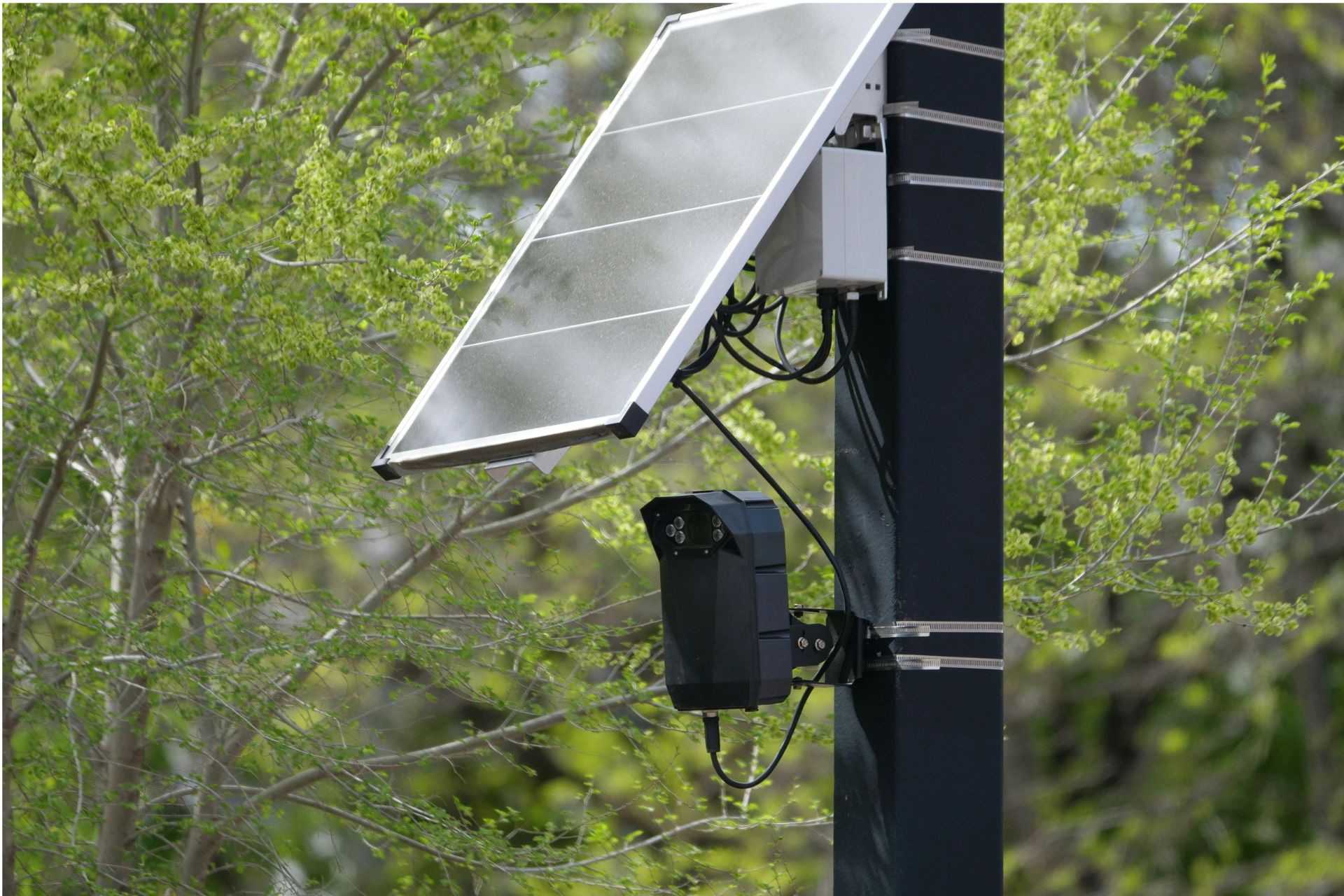
He described Flock as an automatic license plate reader system designed to help identify vehicles during criminal investigations.
Wilson said the technology should be viewed as an identification tool rather than a surveillance tool.
“When used properly,” Wilson said, Flock is one of the most valuable tools he has seen during his career.
The attorney general’s office said Flock technology has helped Ohio law enforcement solve thousands of cases, including investigations involving violent criminals and missing children.
“There is no question that technological advances have changed the landscape for law enforcement. Body-worn cameras, acoustic gunshot detection systems, and other devices allow peace officers to more effectively – and safely – carry out their duties in today’s world,” he said.
Wilson also acknowledged that some officers have misused Flock technology.
He said those incidents are rare and argued that misuse should carry serious consequences.
Wilson calls for criminal penalties
Wilson called on the Ohio General Assembly to make misuse of Flock technology a criminal offense.
He pointed to unauthorized use of the Ohio Law Enforcement Gateway, or OHLEG, as an example.
“Unauthorized use of the Ohio Law Enforcement Gateway (OHLEG), for example, is a fifth-degree felony that requires law enforcement officers convicted of the charge to surrender their badge. This standard should serve as a baseline for state legislators,” said Wilson.
The attorney general said that standard could serve as a baseline for legislation addressing Flock misuse.
His comments come as Ohio officials and lawmakers debate additional safeguards for automated license plate readers.
A bipartisan group of Ohio lawmakers recently asked the Ohio Department of Transportation to stop issuing new permits for Flock and other AI-enabled license plate readers on state-controlled rights of way until stronger safeguards are established, WVXU reported.
Flock scrutiny grows across Ohio
The debate intensified after several Ohio law enforcement agencies investigated possible improper searches of Flock data.
In Franklin County, Sheriff Dallas Baldwin said an internal review identified potential misuse of Flock data by a deputy. The sheriff’s office said it was developing an auditing process to monitor appropriate use of the technology.
Columbus also paused police use of its Flock system after officials investigated searches of a license plate by an officer. The city subsequently began covering its 65 Flock cameras.
These developments have prompted questions about who can access Flock information, how searches are monitored and how long data is retained.
Greater Cincinnati communities reconsider Flock
The issue has also reached Greater Cincinnati.
The Hamilton County Sheriff’s Office announced Sept. 3 that it was pausing its use of 75 Flock cameras and shutting down access to the information generated by the system.
Sheriff Charmaine McGuffey said the department was seeking clearer safeguards concerning data sharing and privacy.
Several other communities in the region have also paused or ended their Flock programs, including Lebanon, Oxford, Fort Thomas, Newport, Independence, Fort Mitchell, Bellevue and Florence, according to WVXU.
Cincinnati is a separate case. The city does not use Flock cameras but contracts with Axon for license plate readers.
Cincinnati City Council unanimously passed a motion Sept. 10 requesting an overview of the city’s surveillance technology, including cameras, drones and license plate readers. The motion also calls for a proposed ordinance addressing data sharing, data storage, surveillance policies and City Council approval of related contracts.
The city administration is expected to present its overview to Council within 30 days.
Wilson’s statement puts him on record supporting continued use of Flock technology while calling for stronger consequences when officers misuse it.
“We must do so carefully,” Wilson said. “And misuse must not be tolerated.”
FAQs
Why are communities reviewing Flock cameras?
Communities are reviewing the technology amid concerns about privacy, data access, data sharing and potential misuse. Several Ohio and Northern Kentucky communities have paused or ended their Flock programs, while others are considering additional safeguards.
Can police departments outside Ohio access Ohio Flock camera data?
Potentially, depending on the sharing arrangements established by the agency operating the cameras. Flock’s system allows participating organizations to share access, but agencies can establish different rules governing who can search their data.
Does owning a Flock camera automatically give an agency access to every Flock camera?
No. Access depends on the sharing relationships and permissions established by participating agencies. An agency’s ability to operate its own cameras does not necessarily mean it can automatically search another agency’s Flock data.
Why are some Ohio communities pausing Flock cameras?
Communities have cited concerns involving privacy, data sharing, access controls and potential misuse. Some agencies have paused their systems while reviewing safeguards, while others have ended their contracts.