



Share This Article
Article Summary:
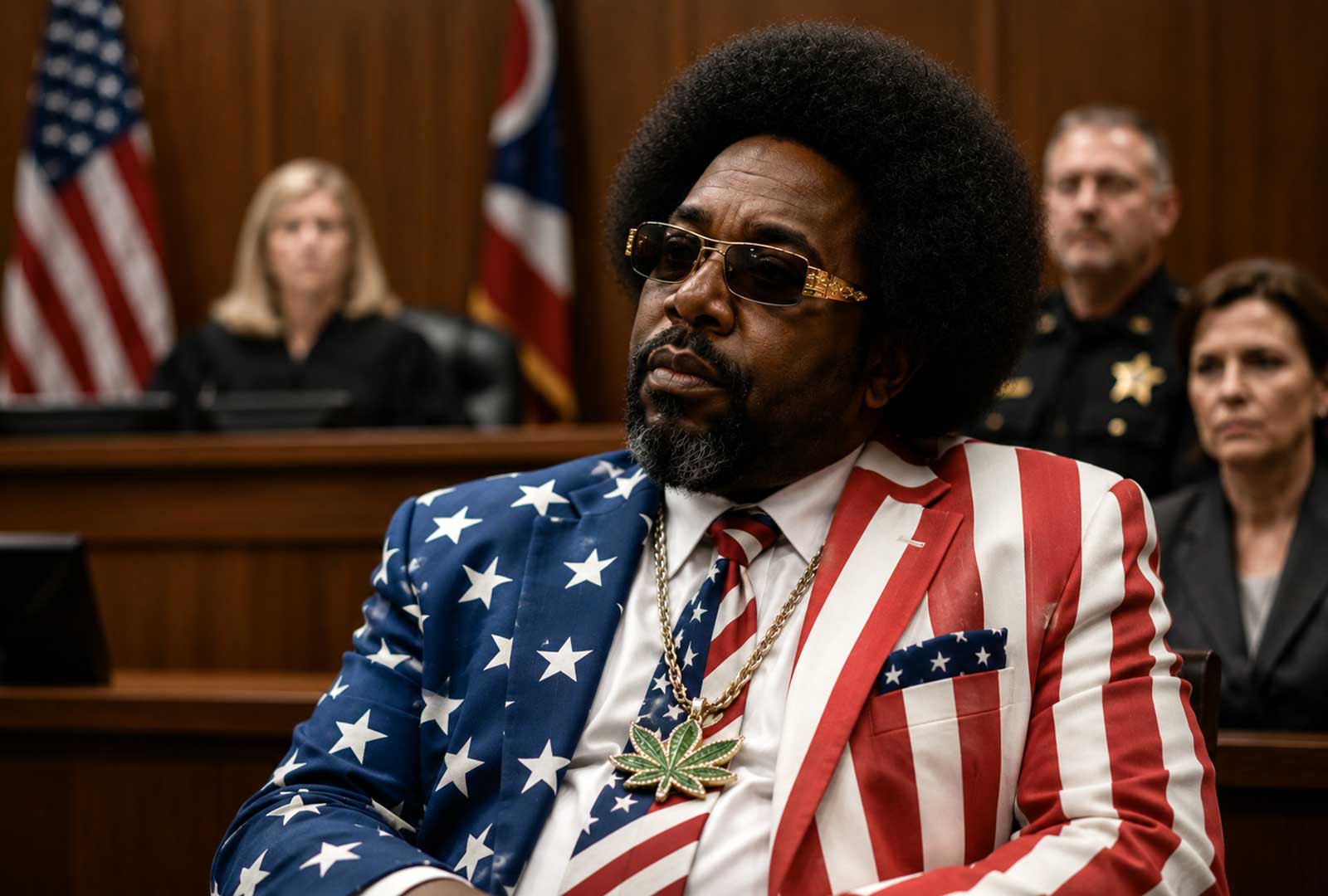
The jury verdict in favor of Afroman was never as simple as the national narrative made it sound. While many outlets framed the case as a racial showdown between a Black musician and rural white law enforcement, the people sitting in the Adams County courtroom appeared to see something else entirely: a botched police raid followed by officers demanding millions because they became the punchline. That distinction matters in southern Ohio, where distrust of heavy-handed authority runs deep across Appalachian communities that have spent generations suspicious of institutions, policing, and outside narratives telling them what they supposedly believe.
How Appalachian Ohio’s Skepticism of Authority Shaped the Afroman Free Speech Verdict
In 2022, Adams County sheriff’s deputies arrived with a search warrant at the southern Ohio home of Joseph Foreman, better known as Afroman. He is the musician whose 2001 hit Because I Got High still echoes from car stereos and dorm rooms.
They were hunting a drug operation and following up on a tip from a confidential informant. The informant claimed there was a basement dungeon holding kidnapped women. However, the house did not even have a basement. This case would eventually play a role in the Afroman free speech verdict.
Deputies found little, reportedly seized several thousand dollars discovered in a suit jacket in Foreman’s closet, left damage behind, and filed no criminal charges.
When authorities refused to pay for the damage, Foreman did what he has built much of his career doing. He turned the situation into comedy and music.
Using his own surveillance footage, he created viral satirical music videos, most notably Lemon Pound Cake, mocking deputies who appeared distracted by cake sitting on his kitchen counter during the search. The deputies later sued him for nearly $4 million, alleging defamation, invasion of privacy, and emotional harm.
In March 2026, a jury in West Union rejected every claim after roughly six hours of deliberation.
The national storyline wrote itself.
Southern Ohio had other ideas.
The Afroman Trial Was Never Just About Free Speech
A large portion of the public discussion framed the case as a clean First Amendment battle.
It wasn’t that simple.
This was primarily a civil tort case. The deputies argued that some of Afroman’s statements went beyond parody and crossed into actionable false statements and highly offensive personal attacks. According to court arguments, Foreman accused one deputy of being a pedophile, made sexual accusations involving a sergeant’s wife, and made mocking comments about another officer’s sexuality or gender identity.
Under Ohio tort law, those kinds of statements can potentially support claims involving defamation or false-light invasion of privacy.
That mattered legally. But juries are not law review articles. They are culture filters.
And the culture sitting inside that Adams County courtroom appears to have viewed the broader context differently than much of the national press did.
Southern Ohio’s Culture Matters More Than National Narratives
Many national outlets leaned heavily into a familiar frame: Black entertainer versus white rural law enforcement in Trump country.
Adams County is roughly 97% white. The racial framing was inevitable.
But Appalachia has its own political and cultural instincts that often confuse outsiders.
Southern Ohio communities carry generations of skepticism toward concentrated authority, whether that authority comes from coal companies, federal regulators, large corporations, outside media, or local law enforcement perceived as overreaching. The region’s culture prizes self-reliance, plain speech, and the right to ridicule people in power when they embarrass themselves.
That local instinct likely mattered more than national political framing.
To many observers outside the region, Afroman looked like a controversial rapper provoking police officers.
To many people inside southern Ohio, he looked like the eccentric neighbor who got raided over absurd allegations and then turned the entire fiasco into a joke after authorities damaged his home.
That is a very different lens.
Afroman’s Career Has Always Turned Adversity Into Material
Foreman’s personal history mirrors the pattern at the center of this case.
Growing up in Los Angeles during the rise of West Coast rap, he was mocked for his large afro hairstyle during the high-top fade era. He embraced the nickname “Afroman” out of defiance. After getting suspended over sagging pants, he wrote one of his earliest rap songs about the teacher who disciplined him. Additionally, he reportedly sold hundreds of copies locally.
His music career initially stalled in California.
Success only came after he moved east to Mississippi, where he created Because I Got High, a humorous anthem that exploded through Napster and early internet file-sharing rather than traditional music industry promotion.
Eventually, Foreman settled in tiny Winchester, Ohio, after meeting a local woman who became his wife.
That detail matters more than many national commentators seemed to realize.
Afroman was not some outsider parachuting into rural Ohio culture. By the time of the raid, he had lived inside that culture for years.
And Appalachian Ohio tends to respect people who stay rooted, mind their business, and refuse to fold after setbacks.
Why the Jury Verdict Probably Felt Obvious Locally
Judge Jerry McBride handled major pretrial matters before later stepping aside for health reasons. Visiting Judge Jonathan Hein ultimately presided over the trial itself.
By the time jurors heard the case, several claims had already been narrowed.
The core question became straightforward:
Should deputies involved in a widely criticized raid receive millions of dollars because the homeowner mocked them afterward?
For many people in southern Ohio, the answer was probably always going to be a hard sell.
Especially after the public learned the raid involved allegations about a basement dungeon in a house without a basement, and after video footage showed officers casually searching the home while lemon pound cake sat on the counter, becoming the internet’s accidental co-star.
Then, after questions emerged surrounding cash taken from the residence and later returned amid disputes over whether all of it came back.
That combination created something Appalachian culture tends to react strongly against: authority figures appearing both overaggressive and thin-skinned at the same time.
And that is where the national narrative missed the mark entirely.
The Real Story Was Authority, Not Race
Race was obviously part of the backdrop. Pretending otherwise would be dishonest.
But reducing the verdict entirely to race ignores the deeper cultural current running through southern Ohio.
The jury did not appear interested in rewarding law enforcement for becoming the target of ridicule after a failed raid. Many locals already viewed the raid as excessive and embarrassing. The constitutional protection mattered, but local culture likely mattered just as much.
In Cincinnati’s broader regional orbit, especially throughout Appalachian Ohio, there remains a deeply ingrained belief that power deserves scrutiny and sometimes mockery.
Even crude mockery.
Maybe especially crude mockery.
That instinct is older than modern political tribalism. It is also more culturally embedded than many national reporters understand.
The Afroman verdict reflected that reality far more than it reflected the simplistic caricature of racist rural voters versus a Black entertainer.
In the end, a southern Ohio jury looked at the facts, looked at the context, and decided the officers did not deserve millions because a musician humiliated them after authorities kicked in his door searching for crimes that prosecutors never charged.
No grand national morality play.
Just Appalachian skepticism meeting the limits of authority.
And a lemon pound cake sitting quietly in the middle of it all.
Read More
Cincinnati police property room faces scrutiny over evidence tracking flaws
FAQs
What exactly happened during the raid at Afroman's home in Adams County?
In 2022, sheriff’s deputies arrived at Joseph Foreman’s (Afroman’s) southern Ohio home with a search warrant based on a tip from a confidential informant who claimed there was a basement dungeon holding kidnapped women. The house didn’t have a basement. During the search, deputies found little of evidentiary value, reportedly seized several thousand dollars from a suit jacket in Foreman’s closet, caused damage to the property, and ultimately filed no criminal charges. The failed raid became the catalyst for what would eventually become a major legal case.
Why did the deputies sue Afroman for nearly $4 million?
After authorities refused to pay for the damage caused during the raid, Afroman created viral satirical music videos mocking the deputies, most notably ‘Lemon Pound Cake,’ which featured footage showing officers appearing distracted by cake on his kitchen counter during the search. The deputies sued for defamation, invasion of privacy, and emotional harm, claiming some of his statements crossed beyond parody into false accusations—including allegations that one deputy was a pedophile and sexual accusations involving other officers. However, a jury in West Union rejected every claim in March 2026 after approximately six hours of deliberation.
How did Appalachian culture influence the jury's decision?
Southern Ohio communities carry generations of skepticism toward concentrated authority—whether from coal companies, federal regulators, or law enforcement perceived as overreaching. The region’s culture values self-reliance, plain speech, and the right to ridicule people in power when they embarrass themselves. Rather than viewing Afroman as a controversial rapper provoking police, many locals saw him as an eccentric neighbor who got raided over absurd allegations and then turned the fiasco into comedy. This cultural lens of distrust toward heavy-handed authority likely mattered more to the jury than national political framing or racial narratives.
Why did national media outlets misunderstand this case?
Many national outlets framed the verdict as a racial showdown between a Black musician and rural white law enforcement in Trump country. While race was part of the backdrop, this framing missed the deeper cultural current. The jury appeared more focused on whether deputies deserved millions for becoming the punchline after a failed raid that locals already viewed as excessive and embarrassing. The core issue wasn’t primarily about race or even free speech—it was about Appalachian skepticism of authority figures who appear both overaggressive and thin-skinned simultaneously. National reporters often underestimate how regional values can override broader political narratives.
How did Afroman's decision to settle in Winchester, Ohio change the context of this case?
Afroman wasn’t an outside agitator parachuting into rural Ohio culture. After his music career stalled in California, he eventually moved to Mississippi, then settled in tiny Winchester, Ohio, after meeting a local woman who became his wife. He had lived inside Appalachian culture for years before the raid occurred. This matters significantly because southern Ohio communities tend to respect people who stay rooted, mind their business, and refuse to fold after setbacks. His status as an established community member, rather than a transient outsider, likely influenced how locals perceived both him and the raid itself.
What role did the 'lemon pound cake' play in the case and its outcome?
The lemon pound cake became an accidental symbol of the raid’s absurdity. Surveillance footage showed deputies casually searching Afroman’s home while a lemon pound cake sat on the kitchen counter, eventually becoming the internet’s co-star. This detail encapsulated everything that made the raid seem excessive and embarrassing to local observers—armed officers searching a home based on false allegations about a non-existent basement dungeon, all while distracted by dessert. For a jury already skeptical of authority overreach, the image of the cake represented the fundamental ridiculousness of the entire operation, making it harder to justify awarding deputies millions in damages for being mocked afterward.
Is this case really about free speech, or is there something deeper?
While the case involved First Amendment considerations, it was primarily a civil tort case where deputies argued Afroman’s statements crossed beyond parody into defamation and false-light invasion of privacy. However, juries function as culture filters, not law review articles. The verdict reflected something deeper than constitutional protection: it reflected Appalachian values about power, accountability, and the right to mock authority. The jury essentially decided that law enforcement officers who conduct botched raids don’t deserve multimillion-dollar payouts because they became the subject of ridicule. This reflects a regional instinct older than modern political tribalism—the belief that power deserves scrutiny and sometimes crude mockery.
This article contains analysis and commentary regarding the civil lawsuit involving Joseph Foreman (Afroman) and Adams County sheriff’s deputies. Claims and allegations referenced were disputed during litigation, and a jury ultimately ruled in favor of Foreman on all counts in March 2026.


