
Share This Article
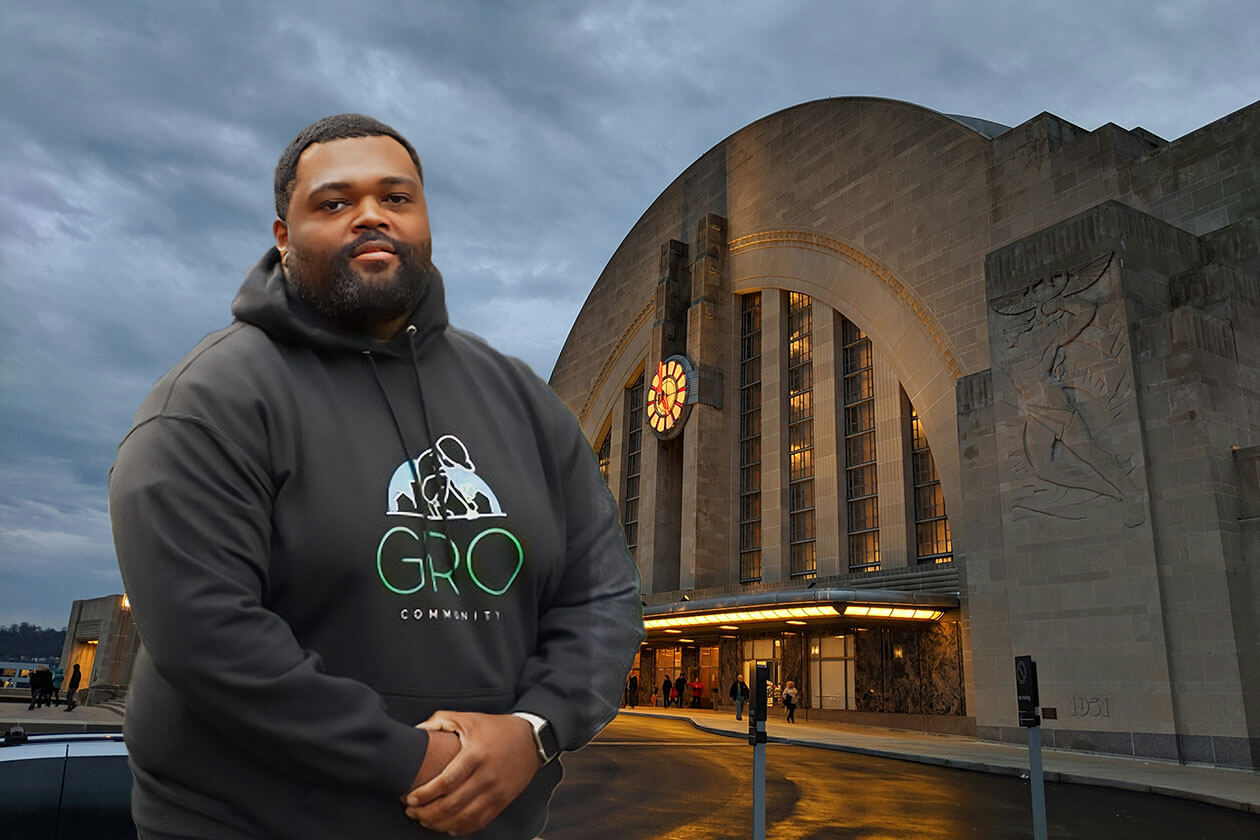
Jordan Johnson is leading a new effort focused on youth violence prevention in Cincinnati, using a model from Indianapolis that has already saved lives. Originally launched in Indianapolis, this youth violence prevention program has delivered measurable success by embedding community members directly into neighborhoods impacted by gun violence and juvenile crime.
Now, Johnson is adapting the youth violence prevention model for Cincinnati, with targeted outreach efforts planned in neighborhoods like Avondale, Winton Terrace, Bond Hill, and Price Hill.
What Is the TenPoint Coalition?
The Indianapolis TenPoint Coalition (ITPC) is a boots-on-the-ground model that deploys volunteer patrols into high-risk neighborhoods. The organization was founded in the late 1990s and has built a reputation for dramatically reducing youth homicides and gun violence in areas such as Butler-Tarkington and Crown Hill.
Key components of the model include:
-
Community members—often reformed offenders—walking streets in groups during high-crime hours.
-
Offering mentorship, support services, and visible presence to deter conflict.
-
Close coordination with police, courts, and schools to direct individuals toward job training, education, or rehabilitation programs.
A key case study cited by St. Luke’s UMC in Indianapolis shows that ITPC helped one neighborhood go 1,000 days without a single youth homicide.
Why Cincinnati, and Why Now?
Johnson leads Gro Community, a mental health nonprofit already embedded in several Cincinnati neighborhoods. He says the TenPoint model for youth violence prevention complements what his team is doing—especially in building trust with young men who lack stable support systems.
In a recent FOX19 interview, Johnson explained his plan to train volunteers to patrol neighborhoods early in the morning, offering mentorship, guidance, and simply a listening ear to those who might otherwise be pulled into criminal activity.
He believes youth violence prevention in Cincinnati must include strong community presence and culturally competent mentors.
“We want people to see us as role models, not law enforcement or outsiders,” Johnson said. “Just regular people who care.”
Measurable Results from Indianapolis
Indianapolis leaders have long praised TenPoint’s role in shifting the city’s approach to violence. At one point, areas under active patrol saw homicides drop by over 60%. The model’s success even led Indiana Governor Eric Holcomb to fund replication efforts in other Indiana cities like Fort Wayne and Gary.
An external audit by The Manhattan Institute found that TenPoint’s success was largely due to:
-
Local credibility of street team members
-
Faith-based organizational structure
-
Willingness to collaborate with public and private sectors
These are all elements Johnson aims to replicate as he scales the program in Cincinnati.
Building a Cincinnati-Based Coalition
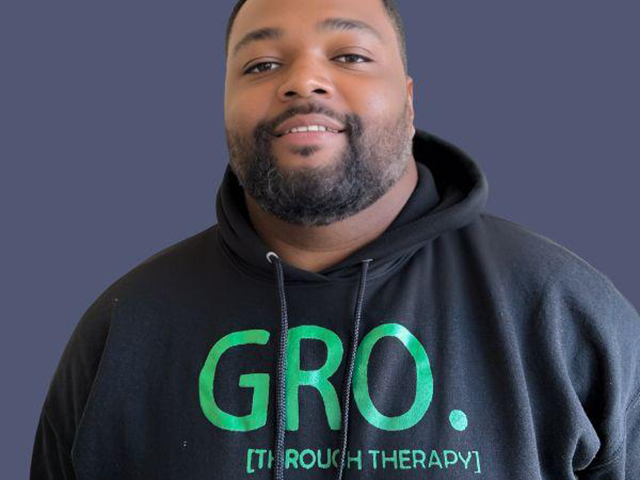
The effort will start small—with ten-person patrols walking early mornings in key neighborhoods—but Johnson hopes to build long-term partnerships with local churches, businesses, and social services.
He’s also calling on the city to match nonprofit energy with funding, support, and real-time data sharing.
“We have to be proactive, not reactive,” he said. “That means being there before the fight breaks out or the gun is pulled.”
A Complement, Not a Competitor
Johnson is clear that TenPoint Cincinnati won’t replace what’s already being done by city programs like Summer in Cincy or Teen Skate Nights. Instead, it fills a gap: year-round, on-the-ground, community-led deterrence.
It’s also a long-term play—changing community culture and restoring hope in neighborhoods that have long felt abandoned by city leadership.
If successful, the TenPoint Coalition could become one of the most impactful tools for youth violence prevention in Cincinnati. But it won’t work without collaboration, consistent funding, and volunteers who are trusted by the people they serve.
Jordan Johnson is betting that Cincinnati is ready.