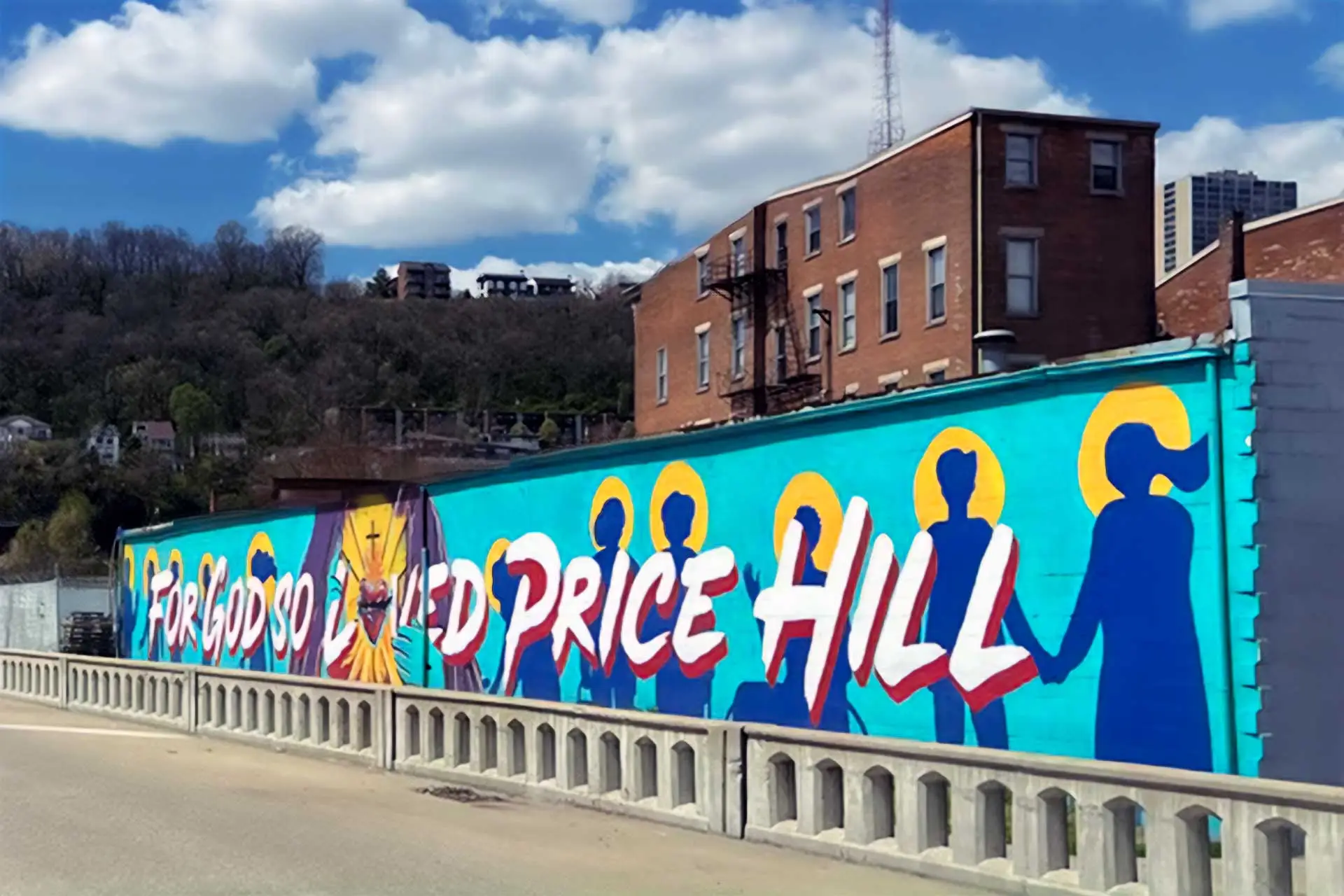

Share This Article
For decades, Price Hill has been one of Cincinnati’s most iconic yet overlooked neighborhoods. Once bustling with industry, parishes, and small businesses, it now stands at a crossroads — still rich with cultural pride and architectural character but struggling to attract the kind of investment seen in other parts of the city. However, that might be about to change.
In a small cluster of buildings just west of the bustling Incline District, a group of local organizers is quietly working to reclaim a block that’s been sitting in limbo. Their goal isn’t to build luxury condos or bring in big-box developers. Instead, they want to create a community-driven creative hub, one that reflects the spirit of Price Hill itself — practical, hardworking, and full of potential.
Rediscovering the Heart of Price Hill
To understand why this matters, it helps to know where Price Hill came from. The neighborhood traces its roots to the mid-1800s, named for General Rees E. Price, a businessman and city council member who helped develop land in the area. As one of the first Cincinnati neighborhoods connected to the city by incline railway, Price Hill quickly became a destination for working-class families looking to escape the pollution of the industrial basin below.
Over time, the community grew — first Upper and Lower Price Hill, then West Price Hill. It developed a strong Catholic identity, anchored by institutions like Seton High School and Elder High School. Local businesses thrived along Warsaw Avenue and Glenway, and families passed down homes for generations.
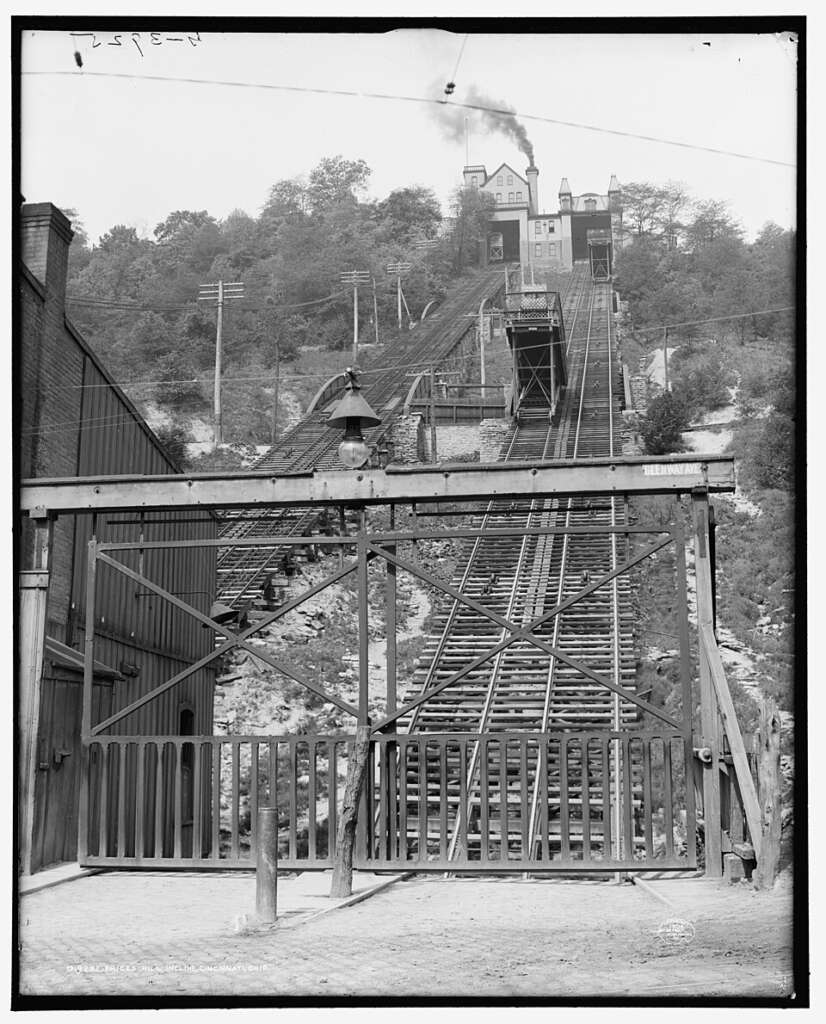
However, the post-war era brought sweeping change. Suburban sprawl, white flight, redlining, and job losses gradually chipped away at the neighborhood’s economic foundation. The incline was dismantled. Iconic corner stores shuttered. And like many urban neighborhoods, Price Hill developed an unfair reputation for decline.
Why This Moment Feels a Little Different in Price Hill
Despite those challenges, many locals never left. They continued to raise families, fix up homes, and build small businesses. In recent years, their efforts have started to pay off. Price Hill Will — a nonprofit dedicated to revitalizing the area — has rehabbed dozens of properties. The youth music program MYCincinnati is thriving. The redevelopment of the Incline District has brought new restaurants and attention to East Price Hill.
Now, a new initiative is taking shape — and it’s focused not on the skyline, but on the street level.
A loose coalition of local creatives, entrepreneurs, and small-scale investors is eyeing a row of buildings that have sat partially vacant for years. Their vision is to convert the space into a creative hub: a mix of artist studios, co-working space, event venues, and storefronts for local makers.
The idea isn’t to gentrify. Instead, it’s to reclaim space for the people who already live here — young artists, working-class entrepreneurs, and families who want a place to gather, collaborate, and share their work.
This project is still in early stages. Even so, conversations have begun with property owners, neighborhood groups, and local partners. Some buildings will need code updates. Others require structural work. But many of the organizers believe this effort could help anchor a broader revitalization of Price Hill without losing its soul.
What Makes Price Hill Unique
Unlike traditional real estate projects, this concept is rooted in community empowerment. Rather than waiting for a corporate investor or city initiative, the people involved are moving forward using sweat equity, shared resources, and strategic partnerships.
The model they’re exploring borrows from examples in other cities:
-
In Columbus, the Franklinton Arts District transformed underused warehouses into cultural anchors.
-
In Louisville, the Portland neighborhood has become a case study in adaptive reuse and nonprofit-led redevelopment.
-
In Detroit, collectives like Ponyride provided affordable space for makers, nonprofits, and entrepreneurs to grow.
Price Hill, the organizers argue, has the raw material to do the same — and maybe even do it better.
Why Price Hill Is Ready for Creative Investment

While other parts of Cincinnati have seen rapid change — often driven by outside investors — Price Hill has maintained a strong internal identity. Families often live within blocks of their grandparents. Churches still act as civic hubs. And there’s a fierce pride in the neighborhood’s working-class history.
Moreover, Price Hill offers something few other areas can: available space. Its commercial corridors, though underutilized, are filled with storefronts that could be repurposed. Housing stock is dense but not overcrowded. And because the neighborhood is already diverse — in terms of race, income, and housing types — many believe it’s positioned to absorb growth without displacing long-time residents.
In addition, Price Hill’s proximity to downtown, Queensgate, the Western Hills Viaduct, and the Ohio River corridor gives it logistical advantages. Not only is it walkable, but it’s also easily accessible by car, bus, or bike.
Addressing Some Community Concerns in Price Hill
That said, not everyone is enthusiastic about creative placemaking. Some residents express concern that arts districts can become a trojan horse for displacement. Others worry that revitalization efforts could prioritize aesthetics over affordability or functionality.
The people behind this idea say they understand those concerns and are building accountability into their process. They plan to:
-
Offer transparent planning updates and community input sessions
-
Prioritize affordable workspaces for local residents
-
Partner with existing nonprofits to tie the creative hub to education, workforce training, and youth programs
-
Explore flexible leases that allow for temporary pop-ups and seasonal activations
In short, the goal is to add value to Price Hill without subtracting what makes it special.
What’s Next for the Creative Hub?
Right now, the team behind the project is focused on assembling support and funding. They’re seeking small business grants, community development partnerships, and perhaps most importantly, local champions who can help spread the word.
They hope to open a pilot space by early next year. This could take the form of a small gallery, community classroom, or weekend makers market — something tangible to prove that Price Hill is ready to reimagine itself without reinventing its identity.
In the meantime, they’re mapping out a plan to use existing events — like the Price Hill Cultural Heritage Festival, First Fridays, and local school partnerships — to draw attention to the block and build momentum.
For more on how other local revitalization efforts are taking shape, read about SparkHaus and the growing startup ecosystem in Northern Kentucky. You can also explore our deeper dive into infrastructure challenges at Inwood Park, which reflect similar concerns about long-term city investment priorities.
Why This Story Matters
Price Hill doesn’t need to become the next Over-the-Rhine. It doesn’t need to compete with Findlay Market or Northside. It needs to continue becoming the best version of itself — rooted in history, powered by people, and resilient in the face of change.
Creating a creative hub isn’t just about art or commerce. It’s about building spaces where people feel ownership, visibility, and hope.
For too long, stories about Price Hill have focused on crime stats, housing blight, and decline. But the real story is in the people who never left, the businesses that stayed open, and the next generation that’s choosing to come back.
Now, a single block could help tell that story — not as a headline, but as a living, breathing part of the community’s next chapter.
And that’s something worth investing in.