
Share This Article
The Importance of a Safety-Net Level I Trauma Center
In every major metropolitan area, certain hospitals serve a role far larger than their physical footprint.
These institutions—often referred to as safety-net hospitals—provide essential care to individuals regardless of their insurance status, income level, or ability to pay. When a safety-net hospital is also designated as a Level I trauma center, its importance to the surrounding community becomes even more profound. Together, these two identities create a healthcare lifeline that supports both everyday medical needs and the most severe, life-threatening emergencies. Here in Cincinnati, we have UC Health.
UC Health and other safety-net hospitals function as healthcare anchors for vulnerable populations. They are places where uninsured, underinsured, and economically disadvantaged individuals can receive quality care without fear of being turned away. By pairing this mission with the demanding requirements of a Level I trauma center—highly specialized emergency care available 24/7, extensive surgical capabilities, and comprehensive rehabilitation services—the hospital becomes one of the most vital public-health assets in the region.
A Dual Role That Saves Lives
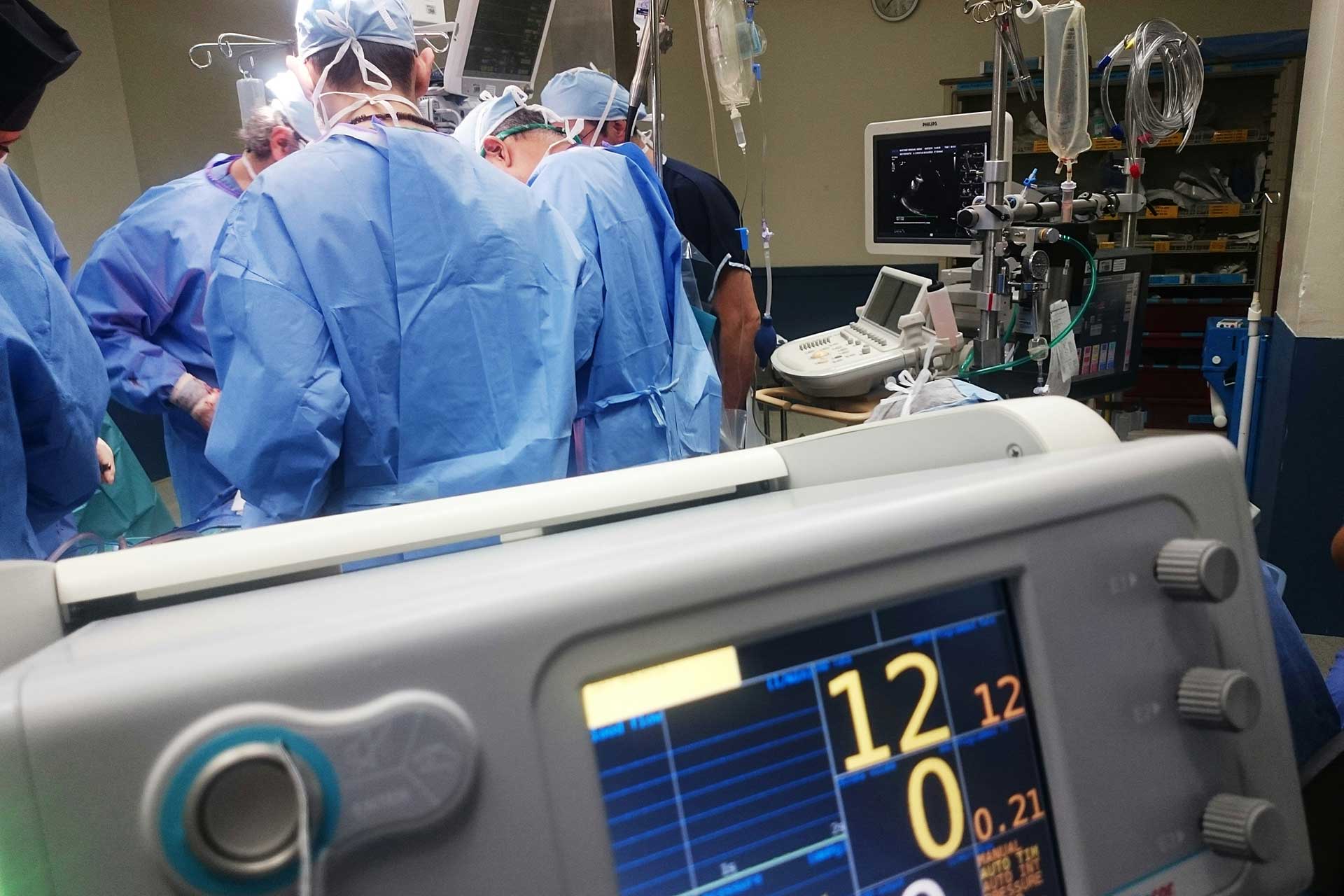
A Level I trauma center is the highest designation of trauma care in the United States. It means the hospital can treat every type of traumatic injury at any hour, including severe motor-vehicle accidents, gunshot wounds, industrial accidents, major burns, and mass-casualty events. These centers are equipped with dedicated trauma surgeons, specialized nursing teams, neurosurgeons, orthopedic surgeons, anesthesiologists, and critical-care physicians who are physically present in the hospital around the clock. They also maintain advanced imaging, blood bank resources, and specialty procedures that can be deployed within minutes.
When this level of readiness exists within a safety-net hospital, the community benefits immensely. Many trauma patients come from populations disproportionately affected by violence, hazardous work conditions, or chronic barriers to healthcare. A safety-net Level I trauma center ensures that the people most at risk have immediate access to world-class emergency care—a factor that can literally determine whether they survive a catastrophic injury.
A Community Anchor in Public Health Crises
Beyond individual emergencies, safety-net Level I trauma centers serve as critical infrastructure for public-health emergencies such as natural disasters, pandemics, and mass-casualty events. Their readiness, staffing, and logistical capacities allow them to remain operational and adaptable under extraordinary circumstances.
A Level I trauma center is also often an academic engine. These hospitals are tightly aligned with a medical college such as the University of Cincinnati—the “UC” in UC Health. This promotes medical education, research, and cutting-edge capabilities such as those found at the UC Cancer Center. As a result, safety-net Level I trauma centers are often the primary or only teaching hospitals for their regions.
This pipeline of training benefits the entire healthcare ecosystem:
-
Trauma surgeons and emergency physicians learn to manage the most complex cases.
-
Nurses gain specialized experience in critical care, surgery, and emergency services.
-
Research teams develop new protocols that improve survivability for a wide array of health problems.
-
Future physicians gain exposure to community medicine and the realities of health inequity.
Furthermore, many clinicians who train in these environments stay in the region, strengthening the local workforce.
Economic and Social Impact Beyond the Hospital Walls
Safety-net hospitals are often some of the largest employers in their communities. When combined with the resources required to maintain a Level I trauma center, the economic footprint expands significantly. These hospitals contribute to:
-
Local job growth and training opportunities
-
Contracts with local vendors and businesses
-
Investment in community health programs
-
Outreach initiatives, mental-health services, and violence-prevention programs
In many cities, the trauma center also partners with schools, fire departments, police, and social-service organizations to address broader determinants of health.
A Vital Resource for Health Equity
Perhaps the most important aspect of a safety-net Level I trauma center is its role in advancing health equity. Trauma is not experienced equally across all populations. Lower-income communities, communities of color, and immigrant populations often face greater exposure to violence, dangerous work environments, and chronic disease. Yet these same groups historically have had limited access to high-quality specialty care.
By ensuring that cutting-edge trauma and emergency services are available to anyone who needs them—regardless of socioeconomic status—these hospitals serve as a cornerstone of fair and just healthcare.
A safety-net hospital that also serves as a Level I trauma center is crucial for any community: delivering trauma care to vulnerable groups, ensuring equal access, supporting public health, training medical staff, boosting the economy, and promoting health equity. As healthcare changes and financial challenges increase, investing in these hospitals remains vital to community safety and well-being.
A safety-net Level I trauma center is where hope meets action—delivering lifesaving care to all, empowering future healers, and lifting the entire community toward a healthier, more equitable tomorrow.
Read More
OSHP holiday crackdown: What Ohio drivers need to know for end of 2025
Snow forces school closings across Ohio: Many districts shut down Tuesday