



Share This Article
Restaurant inspections in Cincinnati and Northern Kentucky revealed hundreds of new health code violations across the region.
The latest restaurant inspections highlighted recurring food safety concerns, sanitation issues, and repeat violations at establishments throughout Greater Cincinnati and NKY.
Local health departments across Greater Cincinnati and Northern Kentucky released another round of restaurant inspection reports this month, documenting hundreds of violations tied to food safety, cleanliness, temperature control, and employee hygiene. The reports renewed public attention on restaurant oversight programs and raised concerns about repeat offenders in both Ohio and Kentucky.
According to reporting from WCPO’s “Dirty Dining” investigation series and regional inspection databases, inspectors cited restaurants for violations ranging from improperly stored food to rodent activity and inadequate sanitation practices. Health officials stressed that most violations are corrected quickly and do not automatically result in closures.
The City of Cincinnati Health Department and the Northern Kentucky Health Department continue to publish inspection results online for public review. Restaurants typically receive follow-up inspections when inspectors identify critical violations that could threaten public health.
Restaurant inspections uncover recurring violations
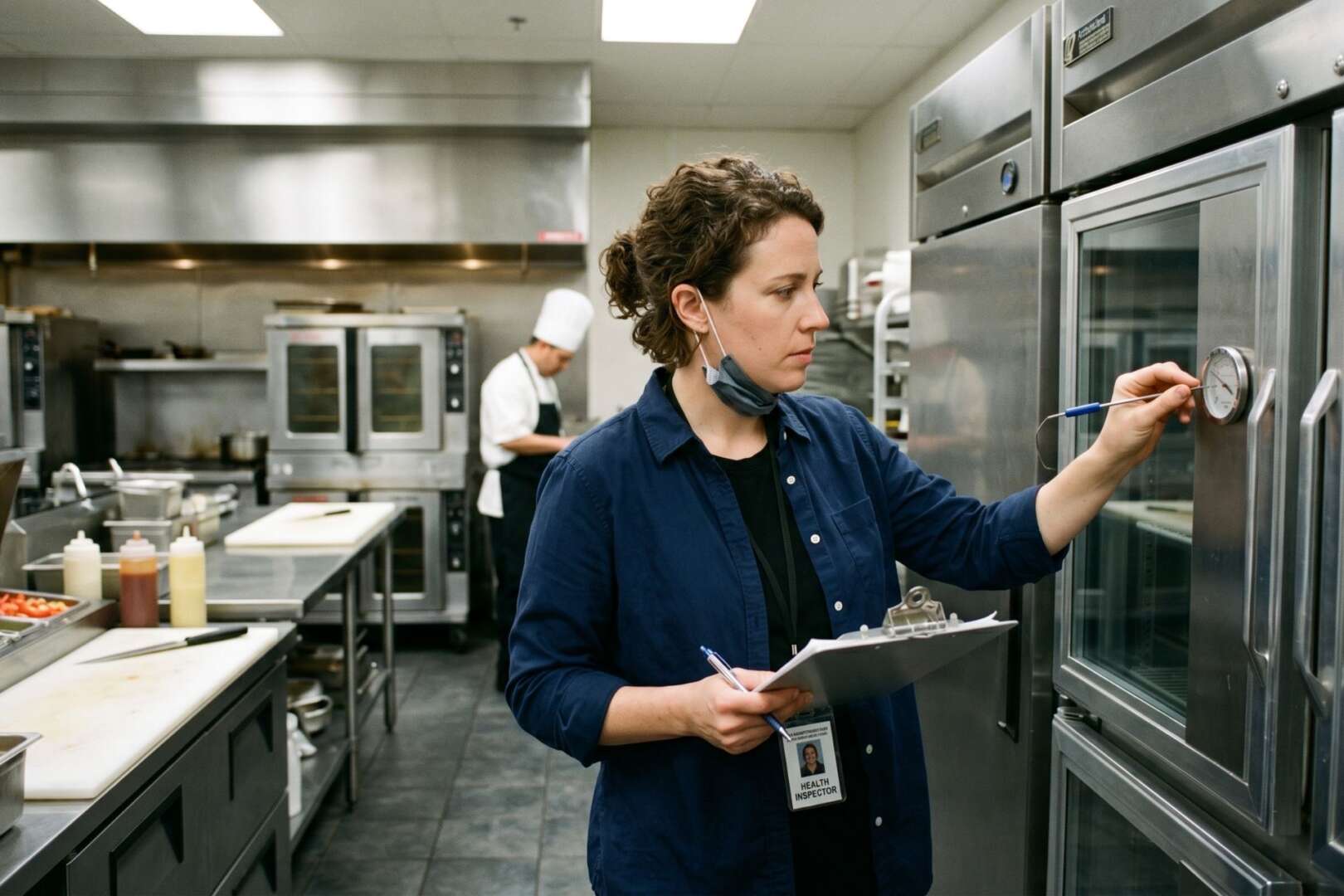
Recent restaurant inspections identified several recurring problems that inspectors frequently encounter throughout the region. Common issues included food held at unsafe temperatures, improper handwashing practices, and cross-contamination risks between raw and prepared foods.
According to WCPO, inspectors also documented pest-related concerns at multiple establishments. Some restaurants received citations for rodent droppings, flies in food preparation areas, or improper waste storage. In several cases, inspectors ordered immediate corrective action.
Officials said many violations stem from operational mistakes during busy service periods rather than intentional neglect. However, repeated violations can lead to escalated enforcement measures, including temporary closures or license reviews.
The inspection process typically evaluates restaurants in dozens of categories, including:
- Food storage temperatures
- Employee hygiene
- Sanitizing procedures
- Pest prevention
- Equipment cleanliness
- Food sourcing and labeling
- Water and plumbing safety
Northern Kentucky health officials inspect food establishments under a detailed scoring system designed to identify both minor and critical health risks. The agency publishes inspection histories through its public online database.
According to the Northern Kentucky Health Department, inspectors may conduct follow-up visits when restaurants fail to correct critical violations within required timeframes.
Restaurant inspections remain public records
Restaurant inspections serve as public records that consumers can access through local government databases. Health departments in Cincinnati and Northern Kentucky encourage residents to review reports and understand how inspection systems operate.
The Cincinnati Health Department maintains a searchable inspection portal covering restaurants, grocery stores, school cafeterias, and temporary food vendors. Inspection reports list observed violations, correction deadlines, and enforcement actions.
According to the City of Cincinnati Health Department, inspectors conduct routine visits based on risk classifications tied to food preparation methods and service volume.
Restaurants that prepare raw meats, seafood, or large quantities of food generally receive more frequent inspections than low-risk operations.
Health officials emphasized that a violation does not necessarily mean a restaurant poses an immediate danger to customers. Many violations are corrected during inspections, and restaurants often pass reinspection shortly afterward.
Consumer advocacy groups said transparency remains essential because inspection reports help diners make informed decisions while encouraging restaurants to maintain compliance.
Regional media expand restaurant inspections coverage
Coverage of restaurant inspections has expanded significantly in Greater Cincinnati over the past several years. Local television stations and newspapers now routinely publish weekly summaries highlighting serious violations and repeat offenders.
WCPO’s “Dirty Dining” series regularly compiles inspection findings from counties throughout the region. The reports often include interviews with health inspectors and restaurant operators responding to violations.
Other outlets, including Cincinnati.com and local Kentucky media organizations, also publish inspection data summaries and searchable databases. These reports typically focus on critical violations involving foodborne illness risks.
According to regional reporting, inspectors often identify similar violations repeatedly across the food service industry. Temperature control failures remain one of the most common problems because bacteria can grow rapidly when food sits outside safe ranges.
Health experts say public awareness surrounding restaurant inspections increased after several high-profile foodborne illness outbreaks nationwide over the past decade. Regulators responded by strengthening food safety education and inspection standards.
Restaurants face staffing and training challenges
Industry groups said many restaurants continue to struggle with staffing shortages and employee turnover, creating additional food safety challenges. Managers must regularly train new workers on sanitation procedures and safe food handling practices.
Restaurant operators also face rising operational costs tied to labor, supplies, and equipment maintenance. Some independent owners said maintaining compliance can become more difficult during periods of high inflation and staffing instability.
Even so, health officials said food safety standards cannot be relaxed because improper handling practices can lead to outbreaks affecting dozens of customers.
Experts recommend that restaurants prioritize:
- Frequent employee training
- Routine cleaning schedules
- Proper refrigeration monitoring
- Immediate corrective action
- Consistent management oversight
Several local restaurant associations have partnered with health agencies to promote food safety certification programs and continuing education for workers.
The increased public visibility of restaurant inspections has also encouraged many businesses to improve internal compliance procedures before inspectors arrive.
Public databases shape dining decisions
Public access to restaurant inspections increasingly influences where consumers choose to eat. Diners frequently search inspection histories before visiting restaurants, especially after media outlets publish stories about severe violations.
Technology has also made inspection data more accessible. Searchable databases now allow users to filter restaurants by location, date, or violation type.
Health officials said transparency strengthens accountability while helping maintain public trust in the food service industry.
Restaurants that consistently receive high inspection scores often promote those results in marketing materials and social media campaigns. Conversely, establishments with repeated violations can face reputational damage even after correcting problems.
Food safety experts encourage consumers to review complete inspection histories rather than relying on isolated reports. A single violation may not reflect overall restaurant conditions, particularly if corrections occur immediately.
The latest inspection findings across Cincinnati and Northern Kentucky highlight the continuing role public oversight plays in maintaining food safety standards throughout the region’s growing dining industry.


