
Share This Article
Article Summary
The Greater Cincinnati region is experiencing a surge in warehouse and logistics employment, supported by low industrial vacancy rates and significant infrastructure expansion. Recent developments include Keller Logistics’ new 200,000-square-foot facility in Covington and massive investments by DHL at the Cincinnati/Northern Kentucky International Airport (CVG). This growth is driven by the region’s central location, which provides two-day ground shipping access to 75% of American markets and connects 36.8 million residents within a 250-mile radius.
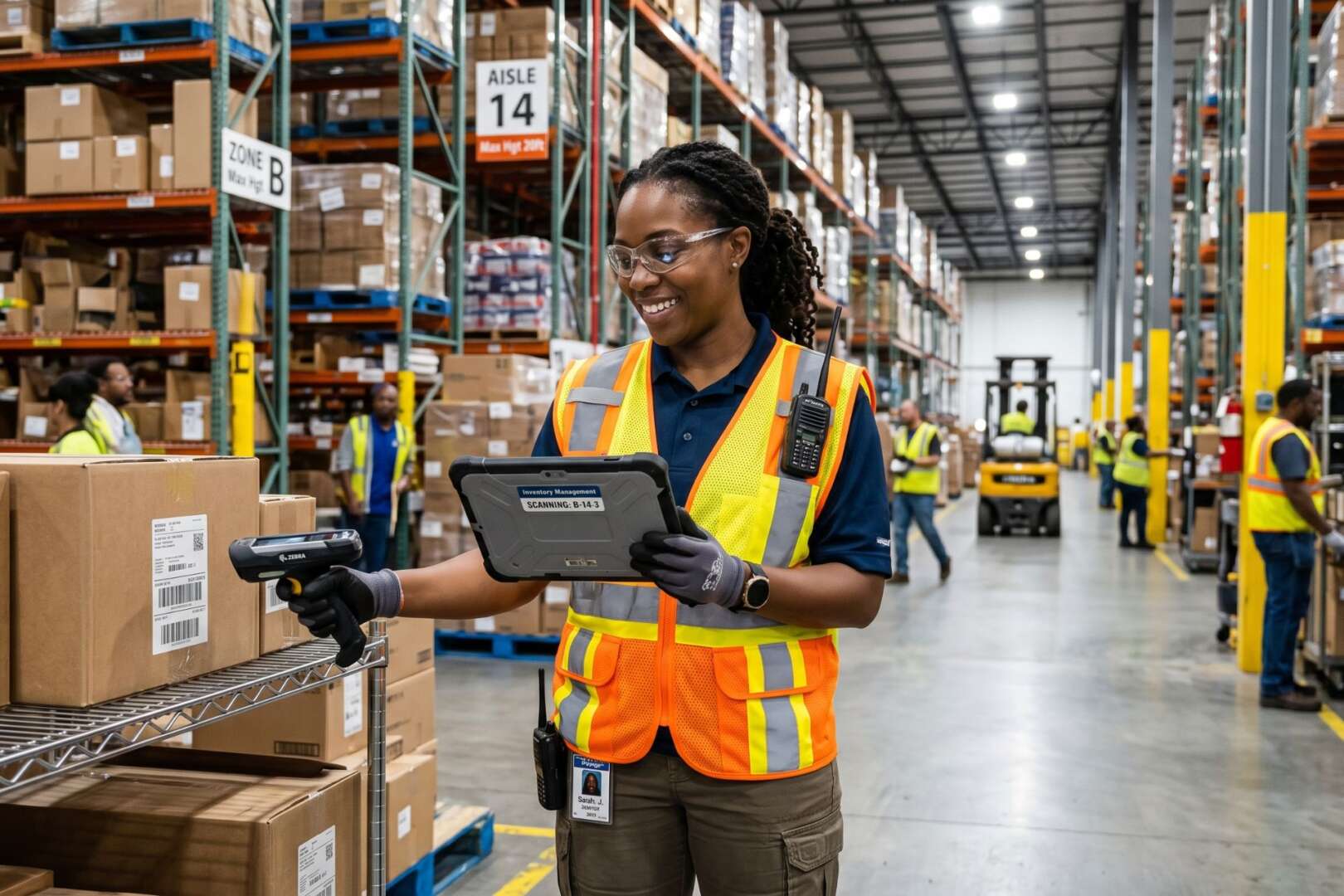
The demand for Cincinnati warehouse jobs is reaching new heights as distribution centers expand rapidly across the region.
As e-commerce and supply chain needs evolve, securing Cincinnati warehouse jobs has become a primary focus for many local workers.
A surging market for Cincinnati warehouse jobs
The industrial real estate market in Greater Cincinnati is experiencing unprecedented growth right now. Recent market reports highlight a staggering 2.8 million square feet of positive net absorption in early 2026. This massive absorption rate signals a healthy, expanding local economy. Brokerage firms continue to record multi-year highs in regional market activity. This surge keeps vacancy rates enviably low across the entire metropolitan area. Current vacancy rates hover strictly between 5.3% and 5.9%. These figures sit well below the national industrial average.
Post-pandemic supply chain disruptions have fundamentally changed how companies operate today. Businesses now prioritize supply chain resilience over pure cost reduction. Having a centrally located distribution point acts as a critical form of insurance. Companies are moving away from older, less efficient industrial spaces. They actively seek modern facilities to optimize their supply chain velocity. This ongoing flight to quality directly creates more Cincinnati warehouse jobs. Employers need reliable staff to manage these newly constructed properties.
Specialized facilities fuel local logistics growth
New construction projects reflect the changing demands of modern consumers. Keller Logistics recently unveiled a massive 200,000-square-foot warehouse in Covington, Kentucky. This premium food-grade facility sits just minutes from downtown Cincinnati. The building features full climate control and heavy power infrastructure. The rise of e-commerce has created intense demand for these specialized environments. Grocery and meal-kit delivery services require strict temperature-control standards. Consumers expect rapid and reliable delivery of their perishable goods.
Meeting these exacting requirements takes specialized infrastructure and highly trained workers. The Covington property features ten dock-high doors for rapid loading. It also boasts 20-foot clear ceiling heights for efficient vertical storage. Operating a facility of this magnitude requires a diverse local workforce.
- Companies need logistics coordinators to track incoming shipments.
- Material handlers must operate specialized equipment safely.
- Quality control specialists ensure compliance with strict food safety regulations.
- Maintenance technicians keep complex climate control systems running smoothly.
Geographic advantages driving Cincinnati warehouse jobs
Location remains the most critical factor in the global logistics industry. The Cincinnati region sits inside a geographic goldilocks zone for distribution. Northern Kentucky anchors a powerful distribution network serving the entire Midwest. Businesses enjoy immediate, direct access to four major interstate highways. Drivers can quickly jump onto I-71, I-75, I-275, and I-471. This immediate access provides tangible competitive advantages for local businesses. It enables the extreme supply chain agility that modern retailers desperately crave.
Companies can execute same-day delivery to major nearby population centers easily. They also guarantee two-day ground shipping to roughly 75% of American markets. The sheer population density within a short drive remains staggering. Cincinnati boasts 36.8 million residents within a 250-mile radius. This density actually surpasses major distribution hubs like Atlanta and Dallas. This incredible reach continues to attract national retailers to our area. Consequently, the volume of Cincinnati warehouse jobs continues to multiply rapidly.
How air freight expansion impacts the employment landscape
Airlines and freight companies are investing heavily in local airport infrastructure. The Cincinnati/Northern Kentucky International Airport (CVG) plays a transformative economic role. CVG serves as a primary global hub for DHL and FedEx. It also houses the massive Amazon Prime Air Hub in Boone County. According to industry experts, CVG ranks as a top air-cargo airport globally. These world-class logistics hubs provide unmatched efficiency for international freight distribution. They make Cincinnati an absolute linchpin for global supply chain operations.
Major investments consistently bring massive waves of new hiring to the region. DHL recently broke ground on a new LEED-certified aviation maintenance facility. This $292 million investment will generate 300 new permanent jobs. DHL eCommerce also recently opened a 307,000-square-foot distribution center in Hebron. That specific facility employs approximately 400 full-time and part-time workers. You can read more about how local airfreight developments impact our economy in our previous coverage.
Labor force trends and competitive local wages
The local workforce is expanding aggressively to meet this massive industrial demand. Recent workforce insights show the local warehouse labor pool exceeds 53,700 workers. Economic experts project an impressive 7.4% growth rate by the year 2034. Companies recognize they must pay well to retain highly skilled labor. The average wage for a non-supervisory warehouse worker sits at $20.82 per hour. This competitive rate stands 17.4% above the current national average.
Ohio possesses a deep cultural history that strongly supports industrial employment. Local residents have successfully pursued careers in manufacturing and warehousing for generations. Today, state universities actively invest in modern supply chain degree programs. According to data from the Bureau of Labor Statistics, logistics remains a booming career sector nationwide. The construction industry also benefits from this rapid warehouse expansion. The Cincinnati metro recently added 5,800 construction jobs in a single year. These crews are building the exact facilities that will house future logistics operations.
Looking ahead for Cincinnati warehouse jobs
The future looks incredibly bright for the regional logistics and distribution sector. State governments provide excellent incentives to attract significant corporate investments. Programs like the Ohio Job Creation Tax Credit foster a highly competitive environment. The Kentucky Business Investment program offers payroll refunds for qualifying industries. Over the past five years, Cincinnati secured over 500 major industrial deals. These specific agreements brought $560 million in capital investment to the area.
Across the river, the Kentucky Cabinet for Economic Development reports similarly explosive growth figures. The commonwealth has seen nearly 250 logistics facilities built or expanded since 2017. These massive projects created over 18,600 jobs in the logistics sector alone. The steady construction of high-capacity warehouses will keep the regional job market robust. Whether managing inventory software or operating heavy machinery, career opportunities abound. If you want to explore more industrial employment trends shaping our city, check our ongoing business series. For motivated job seekers, the logistics sector remains a premier destination for reliable work.
FAQs
What is driving the growth of warehouse jobs in Cincinnati?
The growth is driven by a strong industrial real estate market, the need for centralized distribution points, and a shift toward modern supply chain facilities. E-commerce demand for specialized environments, such as climate-controlled food storage, also requires new infrastructure and highly trained staff.
How does Cincinnati's geographic location benefit the logistics industry?
The region provides immediate access to four major interstates (I-71, I-75, I-275, and I-471), enabling rapid distribution across the Midwest. Businesses can reach roughly 75% of American markets with two-day ground shipping and access 36.8 million residents within a 250-mile radius.
What role does the local airport play in the region's logistics sector?
The Cincinnati/Northern Kentucky International Airport (CVG) serves as a major global hub for air freight, housing operations for DHL, FedEx, and Amazon Prime Air. Recent infrastructure investments, such as DHL’s $292 million aviation maintenance facility, consistently generate hundreds of new permanent jobs.
What are the current labor and wage trends for warehouse workers in Cincinnati?
The local warehouse labor pool currently exceeds 53,700 workers and is projected to grow by 7.4% by the year 2034. The average wage for non-supervisory warehouse workers in the area is $20.82 per hour, which stands 17.4% higher than the national average.