



Share This Article
Article Summary
An Indiana wastewater treatment plant in Connersville is releasing untreated municipal wastewater into the Whitewater River after flooding disrupted the facility. Hamilton County Public Health is warning residents to avoid the Whitewater River and the Great Miami River south of their confluence. Officials say contaminated water may contain pathogens such as E. coli and Cryptosporidium.
Hamilton County Public Health issued the warning after recent flooding disrupted a wastewater treatment plant in Connersville.
The Ohio River Valley Water Sanitation Commission, known as ORSANCO, reported an unknown amount of untreated municipal wastewater entering the Whitewater River.
Officials said the facility remains offline while repairs are planned.
The warning affects parts of the Whitewater River in western Hamilton County and the Great Miami River downstream from their confluence. Health officials say people and pets should avoid recreational activities in those waterways until officials lift the advisory.
Raw sewage warning follows Indiana flooding
The sewage discharge follows major flooding that affected southeastern Indiana and parts of the Cincinnati region. WVXU reported that recent flooding caused the sewage leak at the Connersville facility. The plant sits about 50 miles northwest of Hamilton County.
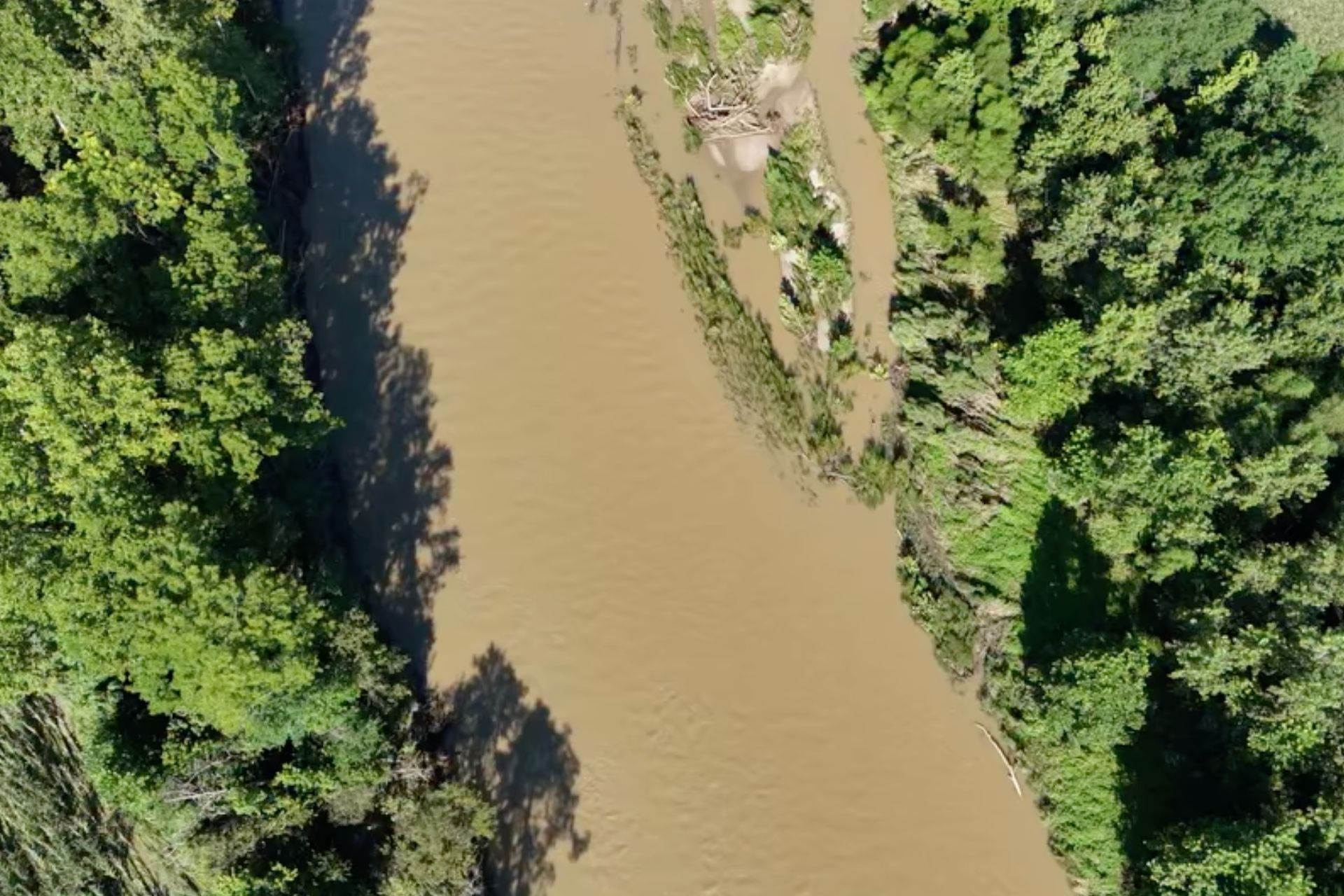
The Whitewater River flows from Indiana into Ohio before joining the Great Miami River. The Great Miami then continues south toward the Ohio River. That connection prompted Hamilton County health officials to issue the downstream warning.
According to Local 12, flooding knocked the Connersville treatment facility offline. Officials are planning repairs, but they have not announced when the facility will return to normal operation.
The amount of wastewater entering the river remains unknown. Officials have also not announced when the public health advisory will end.
The situation differs from a drinking water advisory. Current guidance focuses on recreational contact with potentially contaminated river water. Residents should follow local health guidance and avoid unnecessary exposure.
Raw sewage warning covers two waterways
Hamilton County Public Health recommends avoiding the Whitewater River and the Great Miami River south of where the rivers meet. The agency’s warning includes activities that could expose people or animals to contaminated water.
People should avoid:
- Swimming in the affected waterways.
- Boating or participating in water sports.
- Playing in or near the water.
- Allowing children to enter the affected areas.
- Allowing pets to enter or drink from the waterways.
The health department also recommends keeping a close watch on children and pets. Young children and animals can accidentally swallow water while playing.
The risk decreases farther downstream from the sewage discharge, according to Hamilton County Public Health. However, officials say exposure can still cause illness in people and animals.
Residents who must enter potentially contaminated areas should avoid bare-skin contact with the water. They should also wash their hands, clothing and footwear thoroughly after exposure.
For additional information, residents can review Hamilton County Public Health’s water quality guidance and its information about sewage-related health risks.
Raw sewage warning raises concern about E. coli
Untreated wastewater can carry disease-causing organisms. Hamilton County Public Health specifically warned about E. coli and Cryptosporidium, commonly called Crypto.
These germs can cause gastrointestinal illness after someone accidentally swallows contaminated recreational water. Reported symptoms include diarrhea, stomach cramps, nausea and vomiting.
E coli consists of several types of bacteria. Some strains can cause serious illness, although not every E. coli strain produces the same health effects.
Cryptosporidium is a parasite that can spread through contaminated water. The parasite can survive in recreational water and may cause prolonged diarrhea.
People do not need to drink large amounts of contaminated water to become exposed. Accidental swallowing can occur while swimming, boating or playing near the shoreline.
Children can face greater exposure risks because they may put wet hands in their mouths. Pets can also ingest contaminated water while swimming or drinking from the river.
Residents should seek medical advice if they develop significant symptoms after known exposure. People should also tell medical providers about potential contact with contaminated recreational water.
Raw sewage warning remains tied to flood damage
The discharge adds another concern to the recovery from recent flooding in southeastern Indiana. Floodwaters damaged infrastructure across the region and caused disruptions to wastewater systems.
WVXU reported that parts of southwest Harrison in Hamilton County were evacuated after the Whitewater River spilled over its banks during last week’s flooding. The sewage problem developed as communities continued dealing with the effects of the storms.
The Whitewater River’s connection to the Great Miami River makes the discharge relevant to communities in western Hamilton County. The contaminated water can move downstream with the river’s flow.
Officials have not reported a specific amount of wastewater released from the Connersville plant. They also have not provided a date for the end of the discharge or the public warning.
The distance between Connersville and Hamilton County provides some reduction in risk, according to health officials. Local 12 reported that officials believe the distance reduces the potential impact by the time the discharge reaches Hamilton County.
Residents should still treat the affected waterways as potentially contaminated until officials provide an all-clear.
For context, Hamilton County Public Health has previously advised residents to avoid swimming, boating and playing in waterways affected by sewage discharges. The department also recommends washing hands, clothing and footwear after potential exposure.
What Cincinnati-area residents should know
The current advisory does not call for residents to avoid all waterways in Hamilton County. The warning specifically concerns the Whitewater River and the Great Miami River south of their confluence.
People who regularly use those rivers for recreation should postpone activities until health officials lift the warning. That includes kayaking, canoeing, fishing from areas where contact with the water could occur and other recreational activities.
Residents should also keep dogs away from the affected waterways. Dogs can become exposed by swimming, drinking water or licking contaminated fur.
People should not assume clear-looking water is safe. Contamination from untreated wastewater may not be visible from the shoreline.
Raw sewage warning: when could the advisory end?
Officials have not announced a specific date for lifting the advisory. Local 12 reported that the timing remained unclear as of Thursday, Aug. 20.
The Connersville wastewater facility remains offline while repairs are planned. Officials will need to determine when the wastewater system can safely resume normal operations.
Until then, residents should follow guidance from Hamilton County Public Health and avoid the affected waterways. Residents should also watch for additional updates from local health and water authorities.
FAQs
Why is there a raw sewage warning near Cincinnati?
A wastewater treatment plant in Connersville, Indiana, is releasing untreated wastewater into the Whitewater River. The river flows into the Great Miami River, prompting a downstream health advisory in Hamilton County.
Which waterways should residents avoid?
Hamilton County Public Health advises people to avoid the Whitewater River and the Great Miami River south of their confluence. The warning applies to recreational contact with the potentially contaminated water.
Can people swim or boat in the affected rivers?
Officials recommend avoiding swimming, boating and playing in or near the affected waterways. Residents should also keep children and pets away from the water until officials lift the advisory.
What health risks can contaminated river water cause?
Untreated wastewater can contain pathogens including E. coli and Cryptosporidium. Exposure can cause symptoms such as diarrhea, stomach cramps, nausea and vomiting.