



Share This Article
Article Summary
Fiona the hippo’s death has left Cincinnati grieving a beloved local icon. Her survival story inspired fans worldwide and brought the community together.
Fiona the hippo’s death has left Cincinnati grieving a hometown icon.
Her story reached far beyond the zoo, turning a premature hippo into a symbol of resilience and shared pride.
Fiona died Nov. 19 at age 9, the Cincinnati Zoo & Botanical Garden announced. The zoo said she could not recover after veterinarians tried multiple ways to help her pass a knit hat that had entered her habitat.
According to the zoo and Associated Press, a visitor tossed the hat, and a ceiling fan sent it into the habitat. The zoo described the incident as an accident.
The news quickly brought mourners to the zoo. Visitors left flowers, cards, candles and watermelon at a memorial outside the entrance.
For many, the loss felt personal because they had followed Fiona’s life for years, watched her grow, or brought children to see her.
Fiona the hippo became a Cincinnati story
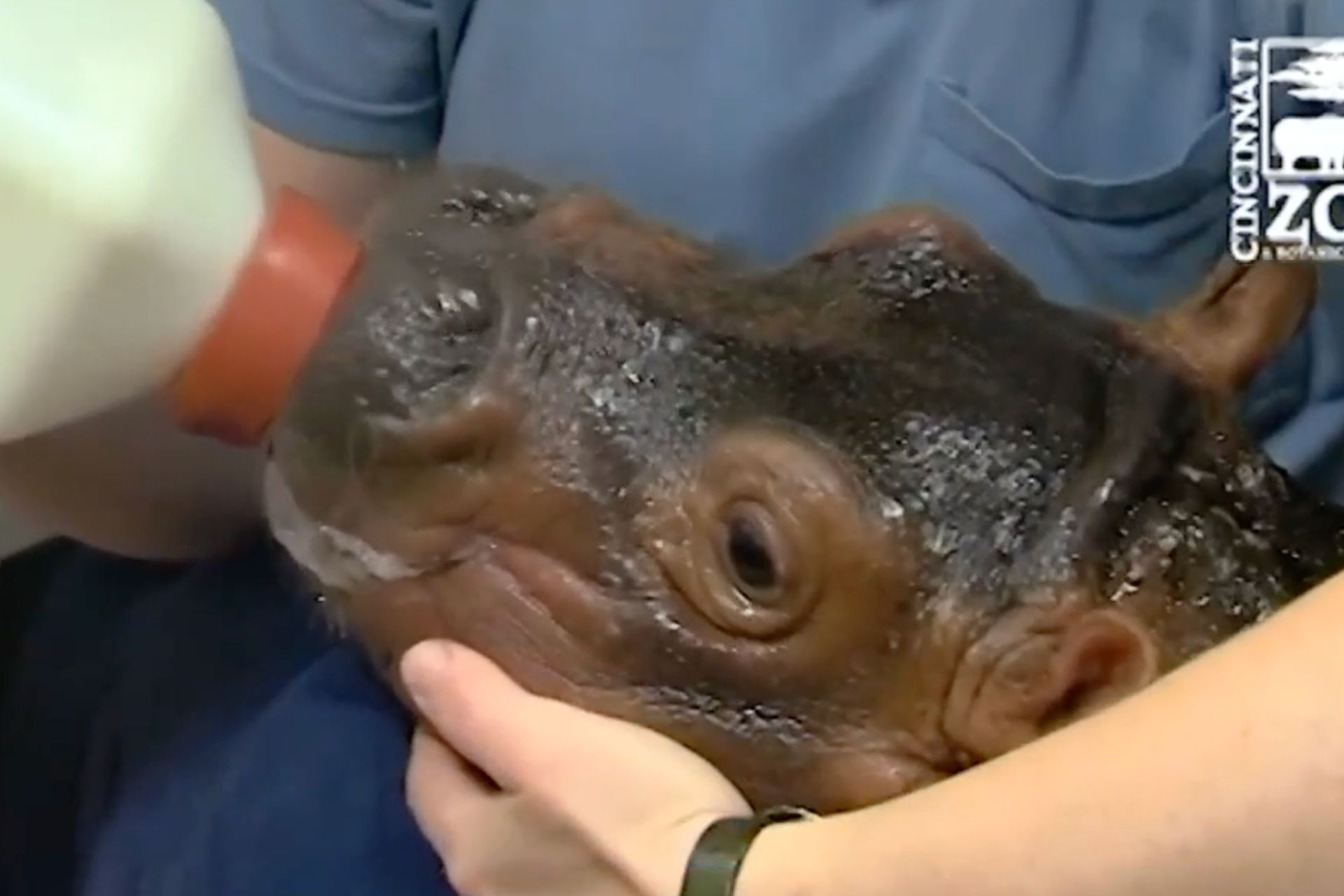
Fiona first captured public attention in January 2017, when she was born six weeks premature. She weighed about 29 pounds, far below the lowest recorded birth weight for her species at the time, according to Reuters. She struggled to stand and could not nurse, so zoo staff cared for her closely and helped feed her.
The zoo shared updates and videos as Fiona grew stronger. People around the country followed her progress, turning each new milestone into a moment Cincinnati could share with a worldwide audience. Her story reached families, teachers and children through social media, books and visits to the zoo.
That connection helped make Fiona a familiar face in daily life around the city. She appeared on shirts and other souvenirs, and her books found their way into classrooms. AP reported that Fiona’s popularity drew visitors and that lines stretched around the zoo. The zoo has not released an estimate of the economic effect of her popularity, but her place in local tourism and culture was visible.
Fiona also became a hopeful chapter in the zoo’s public story. Her rise followed the intense scrutiny Cincinnati faced after the 2016 death of Harambe, a gorilla at the zoo. AP described Fiona’s birth and survival as an uplifting turn for the institution after months of backlash. The two animals’ stories are different, but together they show how closely the zoo—and the city—can become linked to animals whose lives draw national attention.
Why Fiona the hippo’s loss feels personal
Fiona’s story gave people a reason to root for a small, vulnerable animal. Her survival became a shorthand for perseverance: she faced daunting odds as a newborn, then grew into a healthy, widely recognized hippo. People who followed her progress could feel they had watched her overcome the odds alongside the zoo team.
That feeling crossed age and distance. Families brought children to see Fiona in person, while others followed her through videos and news updates. Teachers used Fiona books in class, and fans from outside the region traveled to the zoo to pay their respects after her death.
Residents had made Fiona part of family routines, school lessons and visits with out-of-town guests.
Her loss also gives families a difficult moment to discuss grief. Some children knew Fiona through a zoo trip; others felt close to her through stories and videos. AP reported that grief specialists view the death of a beloved animal as an opportunity for adults to help children name sadness and understand loss. Fiona’s story can remain part of those conversations through memories, drawings and books.
A civic loss felt beyond the zoo
The memorial outside the zoo showed how public mourning can bring strangers together. People left handwritten notes and flowers; one visitor brought watermelon, a favorite treat. WCPO spoke with visitors who described Fiona as part of their childhoods and family traditions. Such tributes turned a zoo entrance into a gathering place for the community.
The response also reached beyond Cincinnati. Ohio leaders and local sports teams posted tributes, while fans shared memories online. AP reported that people came from across the region to pay respects, and Axios noted tributes from the Reds, Bengals and FC Cincinnati. Fiona had become recognizable enough that her death prompted a shared civic response across institutions that rarely speak with one voice.
That visibility matters to a city’s identity. Cincinnati is known for its neighborhoods, sports and cultural institutions, and Fiona became one of the city’s most recognizable living ambassadors. Her story gave people a warm, accessible way to talk about Cincinnati with visitors and with audiences far away. It also offered an emotional connection to the zoo that extended beyond a single visit.
Her popularity brought attention to hippos and the work involved in caring for them. The Cincinnati Zoo said Fiona inspired millions and helped raise awareness and care for her species. That influence does not end with her death: visitors can still learn about hippos and the demands of wildlife care through the zoo’s programs and other animals.
What Cincinnati carries forward
Fiona’s final illness has also focused attention on the safety of zoo habitats. The zoo said the hat reached her enclosure accidentally after a visitor tossed it and a ceiling fan carried it inside. The circumstances do not justify directing anger at a family or individual, but they underline a clear responsibility: visitors must keep objects out of animal habitats and follow zoo rules.
The people who cared for Fiona are part of the loss, too. Veterinarians and keepers worked to treat her, and the zoo asked the public to give them space as they grieve. Their years of care helped Fiona survive her early days and gave millions of people a chance to follow her life.
Cincinnati cannot replace Fiona, and her death leaves an empty space at the zoo and in the community. But the reasons people loved her remain: a remarkable survival story, years of shared memories and a connection that joined the city to fans around the world.
That lasting bond explains why Fiona’s death has had such a huge impact on Cincinnati.
FAQs
How did the hat get into her habitat?
A visitor tossed a knit hat, and a ceiling fan carried it through an opening into the habitat, The zoo described it as accident.
What happened after Fiona swallowed the hat?
Zoo veterinarians provided around-the-clock care and tried multiple ways to help her pass it, but Fiona did not recover, the zoo said.
Why was Fiona so well known?
Born six weeks premature and weighing about 29 pounds, Fiona survived against the odds. Her progress drew a worldwide following.
How are people remembering Fiona?
Visitors have left flowers, notes, candles and watermelon at a memorial outside the zoo.