



Share This Article
Article Summary
Election officials in Ohio are recruiting poll workers ahead of the May 5, 2026 primary election to fill staffing gaps at polling locations. Hamilton County, which includes Cincinnati, reports shortages in certain areas and is increasing outreach efforts to meet demand. Poll workers are responsible for managing voting operations, assisting voters, and ensuring procedures are followed. Qualified applicants must meet eligibility requirements and complete training before Election Day.
Election officials across Ohio are working to fill hundreds of positions before voters head to the polls on May 5.
In Hamilton County, which includes Cincinnati, the Board of Elections has issued a renewed call for residents to serve as poll workers.
The positions are critical to ensuring polling locations open on time, assist voters efficiently, and follow election procedures. Officials say that while many experienced poll workers return each cycle, there are still gaps that must be filled. Recruitment efforts have increased in recent weeks as the primary election approaches.
According to reporting by WVXU and Spectrum News 1, local election officials are targeting specific neighborhoods where staffing shortages are more pronounced. These shortages can create logistical challenges if not addressed early. Officials emphasize that a fully staffed polling location helps prevent long lines and ensures a smooth voting process.
The need for bipartisan representation at each site also adds complexity to recruitment. Election leaders say the effort is about maintaining both efficiency and public trust.
Why poll workers are critical for elections
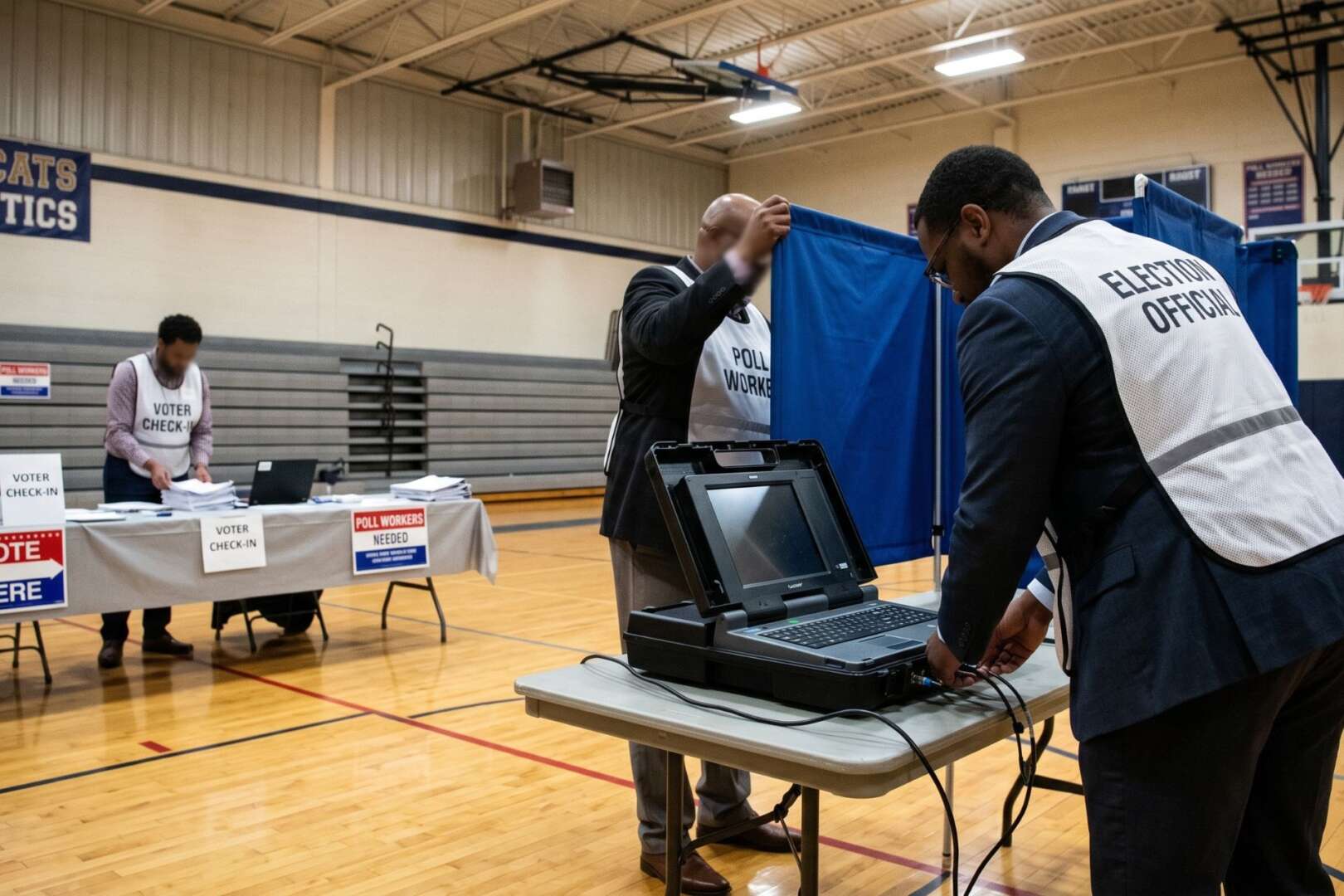
Poll workers play a central role in administering elections at the local level. They handle voter check-ins, operate voting machines, and ensure ballots are processed correctly. Without enough trained personnel, polling places may face delays or limited capacity. Officials warn that shortages could impact the voter experience, particularly during peak hours.
The responsibilities of poll workers typically include:
- Setting up polling equipment before voting begins
- Verifying voter registration and identification
- Assisting voters with ballots and machines
- Closing and securing the polling location after voting ends
Election officials stress that these roles require attention to detail and adherence to procedures. According to the U.S. Election Assistance Commission, well-trained poll workers are a key factor in maintaining election integrity. Local boards of elections rely heavily on community members to fill these roles each cycle.
In Hamilton County, officials say the May primary is an opportunity for new poll workers to gain experience. Turnout is typically lower than in general elections, making it easier for first-time workers to learn the process. Officials hope that new recruits will continue serving in future elections, including the high-turnout contests expected later in 2026.
Poll workers recruitment expands in Hamilton County
Efforts to recruit poll workers have intensified in recent weeks as the election nears. The Hamilton County Board of Elections has expanded outreach through community groups, schools, and local organizations. Officials are encouraging a diverse pool of applicants to ensure polling locations reflect the communities they serve.
To qualify as a poll worker in Ohio, applicants must meet several requirements:
- Be a registered voter in the county or a 17-year-old high school senior
- Be a U.S. citizen
- Not be a candidate on the ballot
- Not have a disqualifying felony conviction
Election officials require training before Election Day, and they offer flexible scheduling options, including evening and weekend sessions. The training covers voting procedures, equipment use, and voter assistance protocols. Election officials say preparation is key to ensuring poll workers feel confident in their roles.
Compensation is another factor drawing applicants. Poll workers in Hamilton County can earn between $225 and $275 for their service, depending on their role and responsibilities. This payment covers training, setup time, and work on Election Day. While the pay is modest, officials say civic duty and community involvement motivate many participants.
According to coverage by WVXU, election officials also focus on maintaining political balance among poll workers. Ohio law requires representation from both major political parties at polling locations. This requirement ensures transparency and fairness in the voting process. However, it also means recruitment must target individuals from different political affiliations.
Community outreach aims to boost poll workers participation
Local leaders and organizations are helping spread the word about poll worker opportunities. Community outreach efforts include partnerships with schools, civic groups, and neighborhood associations. Officials say younger participants, including high school seniors, are especially encouraged to apply.
The Ohio Secretary of State provides additional resources for those interested in serving. Information about eligibility, training, and responsibilities is available through official election websites. These resources aim to make the application process accessible and straightforward.
Some outreach campaigns focus on addressing misconceptions about the role. Officials note that poll workers do not need prior experience, as training is provided. They also emphasize that the work environment is structured and supported by election staff. By clarifying these points, organizers hope to attract more first-time applicants.
Spectrum News 1 reported that targeted recruitment efforts are underway in areas with the greatest need. These efforts include direct communication with community leaders and organizations. Officials say this approach helps ensure that no polling location is understaffed.
What happens if poll workers shortages continue
Election officials warn that failing to recruit enough poll workers could create operational challenges. Polling locations may need to consolidate or adjust staffing levels, which can affect efficiency. Long wait times and voter frustration are potential consequences.
However, officials remain optimistic that recruitment efforts will meet staffing needs. Past elections have shown that last-minute sign-ups often help close the gap. Community engagement and awareness campaigns are expected to play a key role in the final push.
The May 5 primary serves as an important test for election readiness in Ohio. While turnout is expected to be lower than in general elections, the need for trained poll workers remains high. Officials say every position filled helps ensure a smooth and secure voting process.
As the election date approaches, the call for poll workers continues. Election leaders emphasize that these roles are essential to democracy at the local level. By stepping forward, community members can directly contribute to the integrity and efficiency of the electoral system.
Also read:
Ohio election 2026: What Cincinnati voters need to know early
FAQs
What do poll workers do on Election Day?
Poll workers set up voting equipment, verify voter information, and assist with ballots. They also ensure voting procedures are followed and help close polling locations after voting ends.
Who can become a poll worker in Ohio?
Applicants must be registered voters in the county or eligible high school seniors. They must also be U.S. citizens and meet legal eligibility requirements.
How much are poll workers paid?
Poll workers in Hamilton County typically earn between $225 and $275. The payment covers training, setup, and Election Day duties.
Why are more poll workers needed for the May 5 primary?
Officials report staffing shortages in certain areas and need to ensure all polling locations are fully staffed. Adequate staffing helps prevent delays and ensures smooth voting operations.