



Share This Article
Article Summary
Ohio House Bill 249 has passed the Ohio House and is under review in the state Senate. The measure seeks to update indecent exposure laws, particularly regarding adult performances in the presence of minors. Critics say the bill’s wording could be interpreted broadly enough to affect common clothing like sports bras or bikinis. Lawmakers deny those claims and say the legislation targets explicit conduct, not everyday attire.
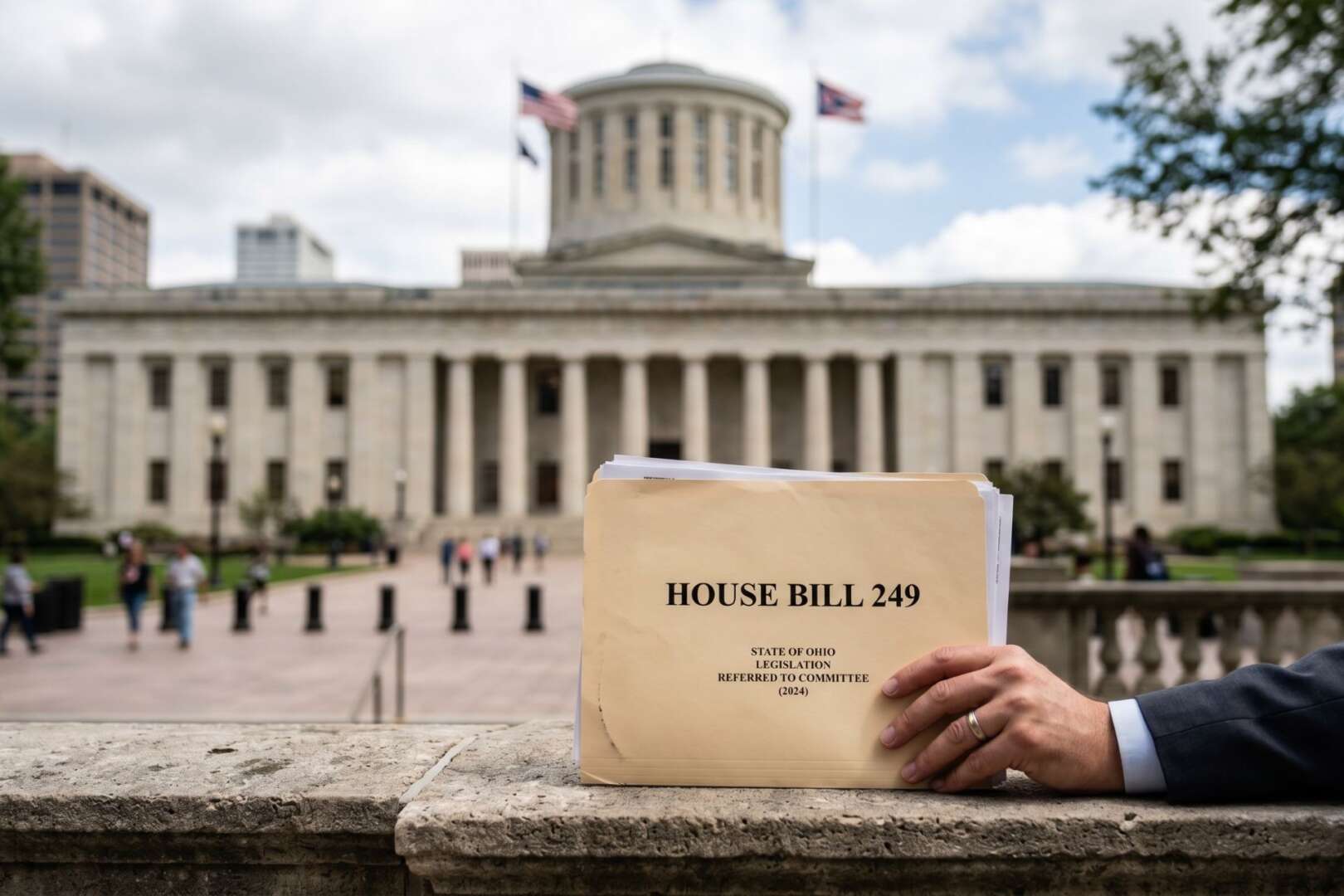
The legislation at the center of the debate is Ohio House Bill 249, which recently passed the Ohio House and now awaits further action.
Lawmakers introduced the measure to update and expand the state’s indecent exposure laws.
Supporters say it focuses on restricting explicit performances in front of minors. Critics argue the wording could unintentionally apply to common forms of dress. The disagreement has fueled widespread public attention and online discussion.
According to reporting by Local 12 News Cincinnati, the bill modifies legal definitions tied to indecent exposure. One of the most debated changes involves replacing the phrase “private parts” with “private area.” Legal experts warn that this shift could broaden how authorities interpret what constitutes unlawful exposure. The concern centers on whether covered body parts could still fall under scrutiny. That ambiguity has become a central issue in the ongoing debate.
Ohio clothing bill raises legal concerns
Legal scholars and civil liberties advocates say the Ohio clothing bill may create enforcement challenges. They argue that vague language often leads to inconsistent interpretation. In this case, critics say the bill could allow authorities to decide on a case-by-case basis what qualifies as inappropriate attire. That could introduce uncertainty for the public and for law enforcement officers.
A constitutional law professor cited in multiple reports said the wording could extend beyond its intended scope. Critics have specifically pointed to clothing such as sports bras, bikinis, and crop tops. They argue that, under a broad reading, such attire might be questioned in certain public settings. While no provision explicitly bans these items, the concern lies in how the law might be applied.
The American Civil Liberties Union (ACLU) has frequently raised similar concerns about broadly written public decency laws. Legal experts often warn that unclear statutes can face constitutional challenges. Courts typically examine whether laws provide clear guidance to both citizens and enforcement agencies. If a law proves too vague, judges may strike it down or require revisions.
Lawmakers defend Ohio clothing bill intent
Supporters of the Ohio clothing bill strongly reject claims that it would regulate everyday clothing. Bill sponsors say the measure targets adult entertainment performed in front of minors. They argue that critics have misinterpreted the intent and spread unnecessary alarm.
One lawmaker described the controversy as a misunderstanding of legislative language. Supporters emphasize that the bill aims to modernize outdated statutes. They say it responds to incidents involving explicit performances in public or semi-public spaces. The goal, they argue, is to provide clearer tools for prosecutors in those situations.
According to coverage by the New York Post and other outlets, some lawmakers have labeled the backlash as “fear mongering.” They maintain that typical beachwear or athletic clothing would not fall under the law’s scope. Sponsors also point out that enforcement would still require proof of intent and context. That distinction, they argue, protects ordinary behavior from prosecution.
Broader debate over public decency laws
Moreover, the Ohio clothing bill reflects a wider national conversation about public decency standards. Several states have recently revisited laws related to indecent exposure and adult performances. These efforts often intersect with debates over free expression and public safety.
Supporters of stricter laws argue they protect minors from inappropriate content. Critics counter that overly broad regulations can infringe on personal freedoms. The balance between these priorities remains a recurring issue in state legislatures.
Public reaction to the Ohio clothing bill has been mixed. Some residents support efforts to strengthen protections for children. Others worry about unintended consequences and legal overreach. Social media has amplified both perspectives, contributing to the rapid spread of claims about the bill’s impact.
Key concerns raised by critics include:
- Potential for inconsistent enforcement
- Lack of clear definitions in legal language
- Risk of targeting individuals based on subjective standards
- Possible constitutional challenges
Supporters, meanwhile, highlight:
- Focus on limiting explicit performances involving minors
- Updates to outdated legal terminology
- Intent-based enforcement standards
- Alignment with similar laws in other states
What happens next for Ohio clothing bill
The bill now moves to the state Senate for consideration. Lawmakers may revise the language before any final vote. If the Senate approves the bill, it will go to the governor for signature or veto. That process could take several weeks or months.
Legal experts say the bill’s future impact will depend heavily on its final wording. Even if it becomes law, courts could play a role in interpreting its provisions. Challenges could arise if individuals believe the law has been applied unfairly. Judicial review often shapes how such statutes function in practice.
For now, the debate continues as both sides present their arguments. Media coverage from outlets such as Local 12 and national publications has brought increased attention to the issue. As reported by multiple sources, the controversy highlights the importance of precise legal language. It also underscores how quickly public perception can shape legislative debates.
The outcome of the Ohio clothing bill will likely influence future discussions about public decency laws. Lawmakers, legal experts, and residents will continue to weigh its implications. The final version of the bill—and how it is enforced—will determine whether current concerns materialize or fade.
FAQs
What is the Ohio clothing bill about?
The bill, known as House Bill 249, updates Ohio’s indecent exposure laws. It focuses on restricting explicit performances in front of minors and clarifying legal definitions.
Does the bill ban sports bras or bikinis?
The bill does not explicitly ban specific clothing items. Concerns come from how broadly certain terms could be interpreted in practice.
Why are critics concerned about the bill?
Critics argue that vague language could lead to inconsistent enforcement. They say it may allow authorities to interpret clothing standards subjectively.
What happens next with the bill?
The bill is currently being considered by the Ohio Senate. If approved, it will go to the governor for a final decision.