



Share This Article
Article Summary
Cincinnati officials launched a new downtown plan on Aug. 28 to guide development in the city’s urban core. The plan will address housing, infrastructure, public spaces, transportation, parking and future development. The city expects public engagement to begin this fall, with a framework targeted for January 2027 and a draft expected in spring 2027.
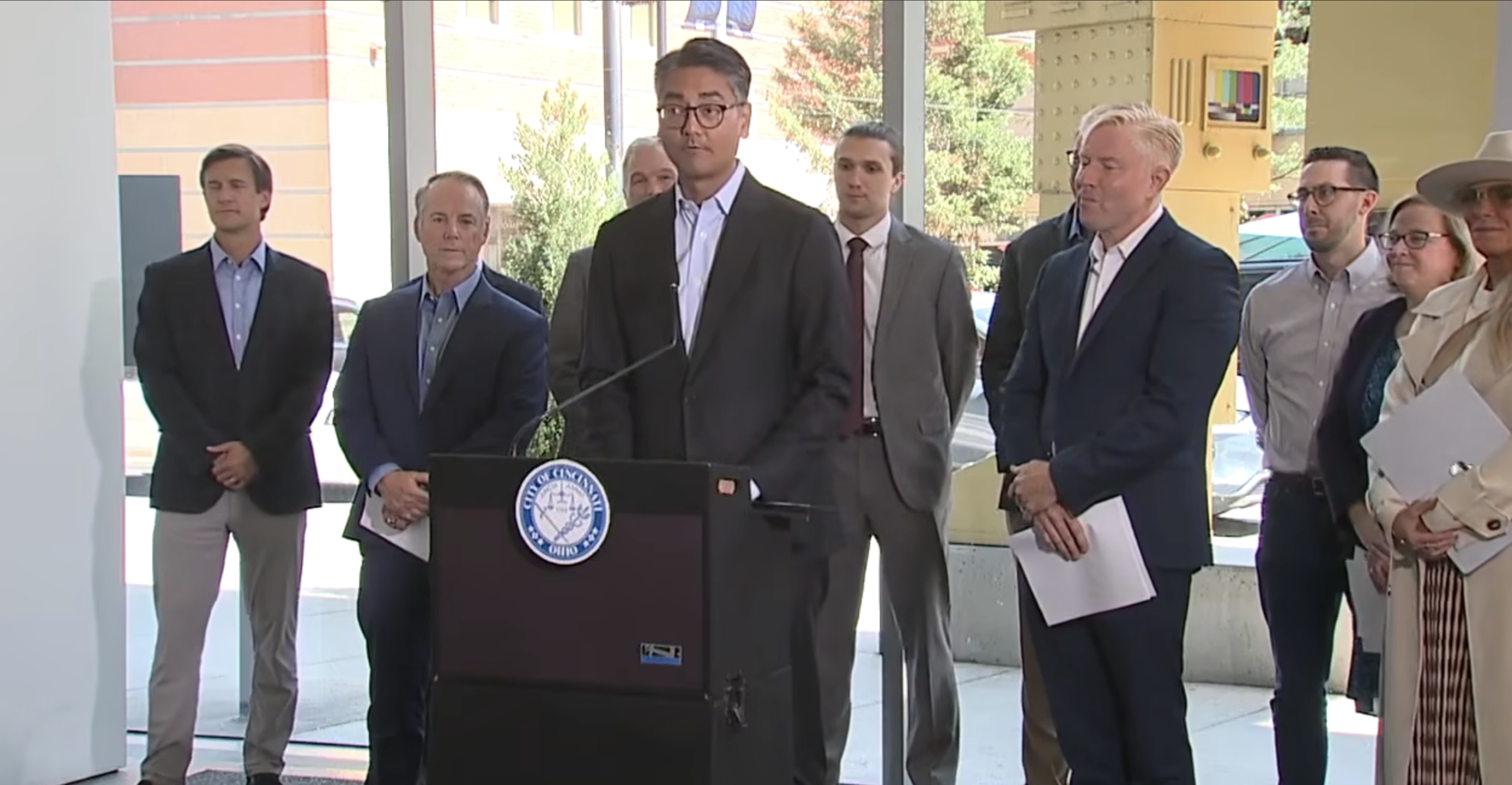
Cincinnati officials launched the planning process Friday, Aug. 28, with city leaders, Downtown residents and business representatives.
The effort will create a new long-term vision for Downtown Cincinnati as the area continues to undergo major development.
The plan will examine how public spaces, streets, housing, offices and new projects fit together.
Mayor Aftab Pureval said the timing reflects the amount of investment and development already taking place downtown.
“There has been an extraordinary amount of investment and momentum driven into downtown,” Pureval said in his speech.
City officials also cited a growing level of cooperation among local governments, residents and business groups. They want that collaboration to shape a shared strategy for Downtown’s next stage of development.
The city’s Department of Planning and Engagement will lead the public engagement process.
Consulting firm MKSK will lead the planning work in partnership with HR&A.
Why Cincinnati needs a new downtown plan
The new downtown plan will replace a planning framework that dates to 1986.
Cincinnati’s official planning records show that Downtown’s last development plan was approved in 1986. The city’s current budget documents also identify 1986 as the last time Downtown received a development plan.
Cincinnati’s official neighborhood planning information explains that neighborhood plans establish long-term goals for a neighborhood’s physical, social and economic development.
Downtown has changed substantially since the 1980s.
“These kind of neighborhood plans are critically important not just in Downtown, particularly throughout the city, in order to make sure that the community of that neighborhood and the investments are on the same page,” Pureval said.
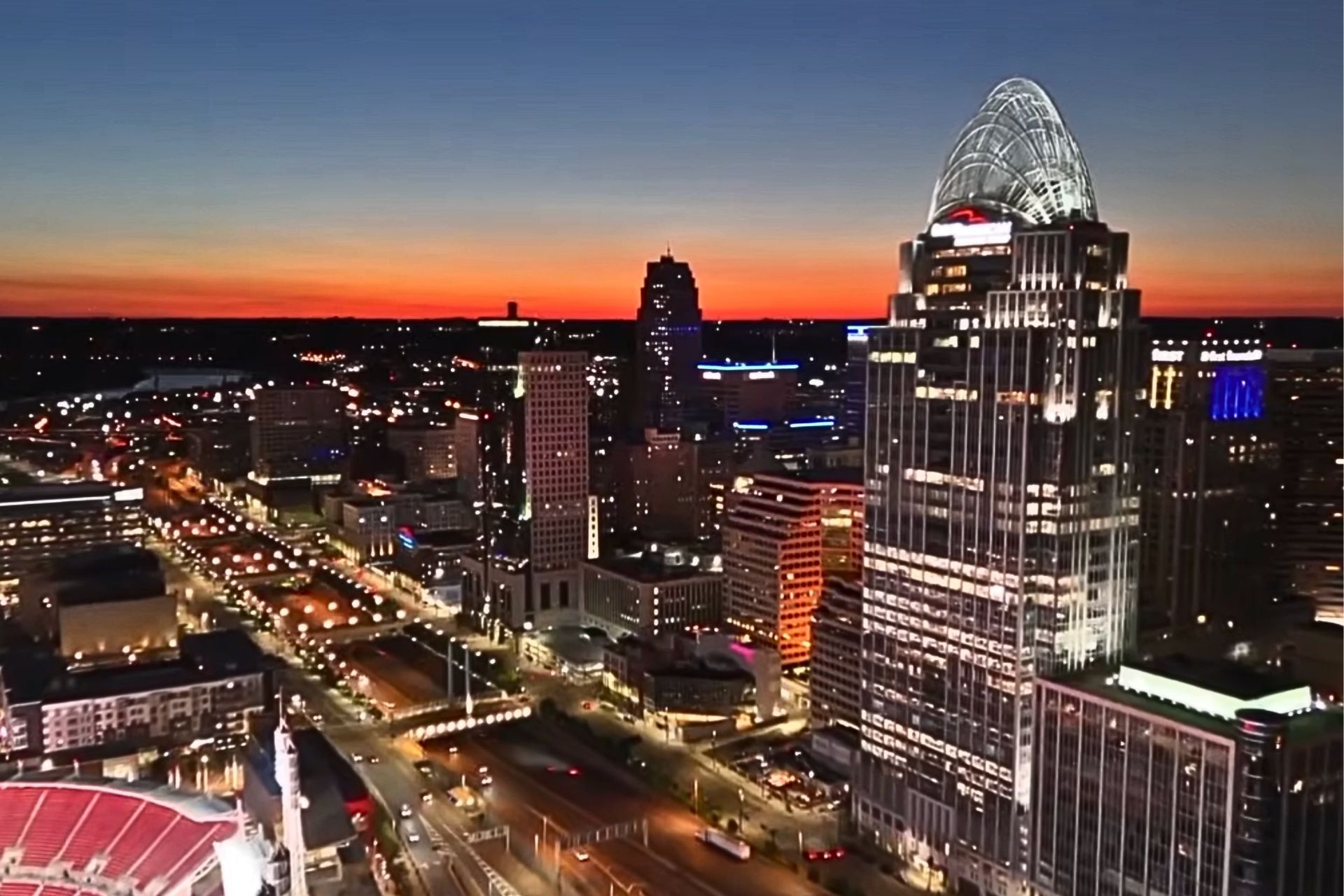
The Banks, Fountain Square and major convention-related projects have reshaped the urban core. New housing and office conversions have also changed how people use Downtown.
City officials now want a single framework to address those changes.
The city’s budget documents specifically point to changing work patterns and the growing conversion of office space into residential units as reasons for developing a new plan.
The planning process also comes as Cincinnati works on major infrastructure projects. Those include the Fort Washington Way caps and projects around the Convention District.
Councilman Mark Jeffreys said Downtown’s landscape has changed enough to justify another comprehensive look.
Jeffreys pointed to the Fort Washington Way caps and reclaimed land around the Convention District as examples of changes that could affect future planning decisions.
What the downtown plan will cover
The downtown plan will examine a wide range of issues affecting residents, businesses and visitors.
Katherine Keough-Jurs, director of the Department of Planning and Engagement, said the plan will address public spaces, infrastructure, walkability and quality of life.
Other topics will include:
- Streets and transportation
- Connectivity between Downtown areas
- Parks and open spaces
- Parking
- Housing
- Office uses
- Future development
- Public spaces
- Walkability
- Quality-of-life improvements
- Micromobility
The planning area will include the Central Business District, The Banks, the Riverfront and parts of Over-the-Rhine, according to WCPO.
Moreover, the broader planning area extends from the Ohio River to Central Parkway and from Central Avenue to Eggleston Avenue.
The plan will also consider how Downtown functions as a neighborhood rather than only as a business district.
That approach could affect decisions involving housing, public spaces, transportation and future commercial development.
Public input will shape the downtown plan
Cincinnati residents will have several opportunities to participate in the downtown plan.
Digital engagement tools are already available through the city’s planning website. The city also expects stakeholder discussions and small-group conversations to begin in the coming months.
Keough-Jurs said broader public engagement will follow.
An in-person community meeting is expected in October, while additional stakeholder conversations are planned for October and November.
The city wants residents, businesses and other Downtown stakeholders to participate in the process.
Chase Mosijowsky, vice president of the Downtown Residents Council, said residents see both opportunities and challenges in the neighborhood.
The Downtown Residents Council is one of the groups participating in the planning effort alongside city officials and business representatives.
The public input process will allow participants to identify problems and suggest priorities before the city develops the final plan.
Residents will be able to weigh in on issues such as streets, parking, public spaces, housing and development.
That engagement could become especially important as Cincinnati considers how Downtown should accommodate more residents, businesses and visitors.
Downtown plan comes amid major investment
The new downtown plan comes as Cincinnati continues several major projects in and around the urban core.
Pureval cited the Convention Center, Elm Street Plaza, the headquarters hotel project and new development around the Fountain District.
He also pointed to the updated Banks plan and the launch of the Fort Washington Way caps project.
Those projects could influence how Cincinnati approaches Downtown development over the next decade.
The city also wants the new plan to help connect separate projects instead of treating each development as an isolated effort.
That could include better connections between neighborhoods, public spaces and major destinations.
Downtown has also experienced changes in office use since the COVID-19 pandemic. Some office buildings have shifted toward residential use as employers have adopted new work patterns.
The city’s budget documents specifically cite office-to-residential conversions as one reason
Downtown needs an updated plan.
That makes housing and office space important parts of the new planning process.
The goal is not simply to create another development document. City officials want the plan to establish priorities that can guide future decisions and public spending.
When the downtown plan could be completed
The planning process began in August and is expected to take about 14 to 15 months.
“Things like infrastructure improvements that impact traffic flow, improving micromobility, how we improve the quality of life, improve the built environment in a way that it increases public safety,” Councilman Jeffreys said.
The city’s planning website calls for a framework to be ready for review in January 2027. A full draft is expected in spring 2027.
City Council must approve the final neighborhood plan before it becomes an official city document.
The city has not established a final total cost for the entire planning process yet.
Pureval said funding for the broader process had not been fully identified, according to WCPO. WVXU reported that Cincinnati is contributing $250,000, which had been approved during the previous two budget cycles and will cover the city’s partnership with MKSK.
Other stakeholder groups will fund additional parts of the effort, including work involving HR&A.
What the downtown plan could mean for Cincinnati
The new downtown plan will provide a framework for decisions about Cincinnati’s urban core for years to come.
It could influence future development, transportation improvements, public spaces and housing priorities.
The plan also gives residents a formal opportunity to shape how Downtown changes.
Cincinnati officials say the process comes at a time when Downtown has strong development momentum and growing cooperation among local stakeholders.
The challenge will be turning that momentum into a long-term strategy.
For residents, the most immediate opportunity will be participating in the public engagement process.
The city expects those discussions to begin this fall, with additional meetings and digital opportunities available as the plan develops.
The final document will then require approval from Cincinnati City Council before becoming an official neighborhood plan.
FAQs
Why is Cincinnati creating a new downtown plan?
Cincinnati is creating the plan to establish long-term priorities for Downtown. The city’s current Downtown development plan dates to 1986.
What will the downtown plan cover?
The downtown plan will examine housing, development, infrastructure, streets, parking, public spaces, walkability and connectivity. It will also consider office uses and quality-of-life issues.
When will Cincinnati residents provide input?
Public engagement is expected to begin this fall. The city plans community meetings, stakeholder discussions and digital engagement opportunities.
When could the downtown plan be completed?
The planning process is expected to take about 14 to 15 months. The city’s planning timeline calls for a framework in January 2027 and a full draft in spring 2027.