



Share This Article
Article Summary
Three rescued manatees, Tuglet, Smidge and Zimomo, arrived at the Cincinnati Zoo & Botanical Garden on October 14, 2026, for continued rehabilitation. The animals have gained significant weight since their rescues and will receive care at Manatee Springs. Their arrival follows the transfer of four rehabilitating manatees from Ohio to Florida, including Hundo, who is expected to continue rehabilitation before a potential release this winter.
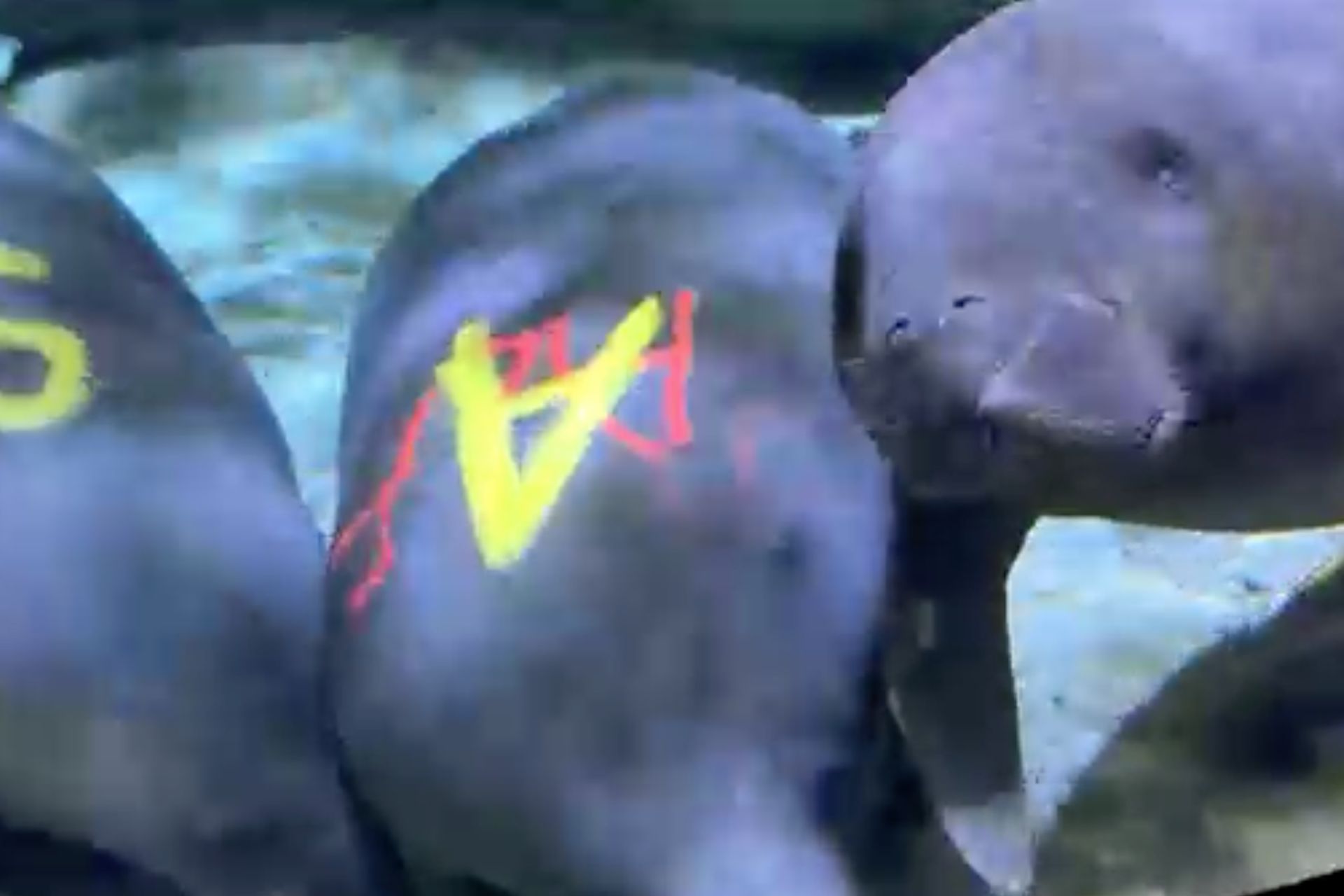
Cincinnati Zoo manatees Tuglet, Smidge and Zimomo arrived at the Cincinnati Zoo & Botanical Garden on October 14.
This began the next stage of their recovery after being rescued in Florida.
The three young manatees will receive continued care at Manatee Springs. This is part of a coordinated conservation effort involving zoos, wildlife agencies and other organizations.
Their arrival coincides with the transfer of four previously rehabilitating manatees from Ohio to Florida for further care. This comes ahead of anticipated releases into the wild.
Three rescued manatees show significant weight gains
Tuglet, Smidge and Zimomo arrived from SeaWorld Orlando, where they received initial care before moving to the Cincinnati Zoo for continued rehabilitation.
The three male calves have gained substantial weight since their rescues, according to figures reported on October 14.
Tuglet weighed 42 pounds when rescued and now weighs 365 pounds. Similarly, Smidge has grown from 43 pounds to 353 pounds, while Zimomo has increased from 47 pounds to 368 pounds.
Their weight gains reflect progress during rehabilitation. However, the animals will continue receiving care as specialists assess their development and prepare them for eventual return to their native habitat.
Hundo returns to Florida after nearly a year in Cincinnati
The new arrivals come as another rescued manatee, Hundo, moves closer to completing his rehabilitation.
Hundo spent nearly a year at the Cincinnati Zoo after arriving as an orphaned calf in November 2025. He weighed 150 pounds when he first arrived. By October 14, he had reached 546 pounds, according to FOX19 NOW.
Hundo and three other manatees from Ohio began traveling to Florida on October 12. He arrived at the Jacksonville Zoo and Botanical Gardens. There, he will continue rehabilitation before an anticipated release into Florida waters this winter.
The transfer marks an important step in Hundo’s recovery while allowing Cincinnati Zoo staff to begin caring for the three newly arrived calves.
Cincinnati Zoo curator of mammals Kim Scott said the team was looking forward to following Hundo’s progress in Florida. They were also eager to begin rehabilitation for the new arrivals at Manatee Springs.
Cincinnati Zoo manatees receive care through a conservation partnership
The transfers are part of a broader effort coordinated by the Manatee Rescue & Rehabilitation Partnership, a network of nonprofit organizations, zoos, aquariums and state and federal agencies.
The partnership helps rescue injured, orphaned or otherwise vulnerable manatees, provides rehabilitation and works toward returning the animals to Florida waters when they are ready.
Florida manatees face several threats, including boat strikes, disease and red tide. Young orphaned calves can require extensive care before they develop sufficiently to survive independently.
Moving animals between specialized facilities allows rehabilitation teams to provide continued care as the manatees progress toward release.
The latest transfers also demonstrate how wildlife conservation organizations work together to support animals at different stages of recovery. While Hundo continues his rehabilitation in Florida, Tuglet, Smidge and Zimomo are beginning their next chapter at the Cincinnati Zoo.
FAQs
Why do rescued manatees need rehabilitation?
Rescued manatees may need specialized care because of injuries, illness, orphaning or other threats that prevent them from surviving independently. Rehabilitation teams help the animals regain their health and develop the condition necessary for eventual release into their natural habitat.
Why were the manatees rescued when they were so young?
Young manatees can become vulnerable when they lose their mothers or face injuries and other threats in the wild. Rescuers provide specialized care to help orphaned or distressed calves survive and develop until they can potentially return to their natural habitat.
Why are the rescued manatees being transferred between zoos?
Transfers allow participating facilities to coordinate care and accommodate manatees at different stages of rehabilitation. The Cincinnati and Columbus zoos work with other organizations to help prepare rescued animals for eventual release into Florida waters.