



Share This Article
Article Summary
The Metropolitan Sewer District (MSD) of Greater Cincinnati may need millions of dollars beyond its approved budget to address damage caused by the July 2026 flash floods. Thousands of sewer backup and flood-related reports have been submitted following the storm, prompting ongoing investigations and infrastructure assessments. City and county officials continue to evaluate recovery costs while considering future investments in flood mitigation and stormwater infrastructure. Recovery efforts and damage reviews are expected to continue for several months.
Cincinnati officials are assessing the financial impact of historic flooding that damaged homes, businesses, roads, and sewer infrastructure across the city.
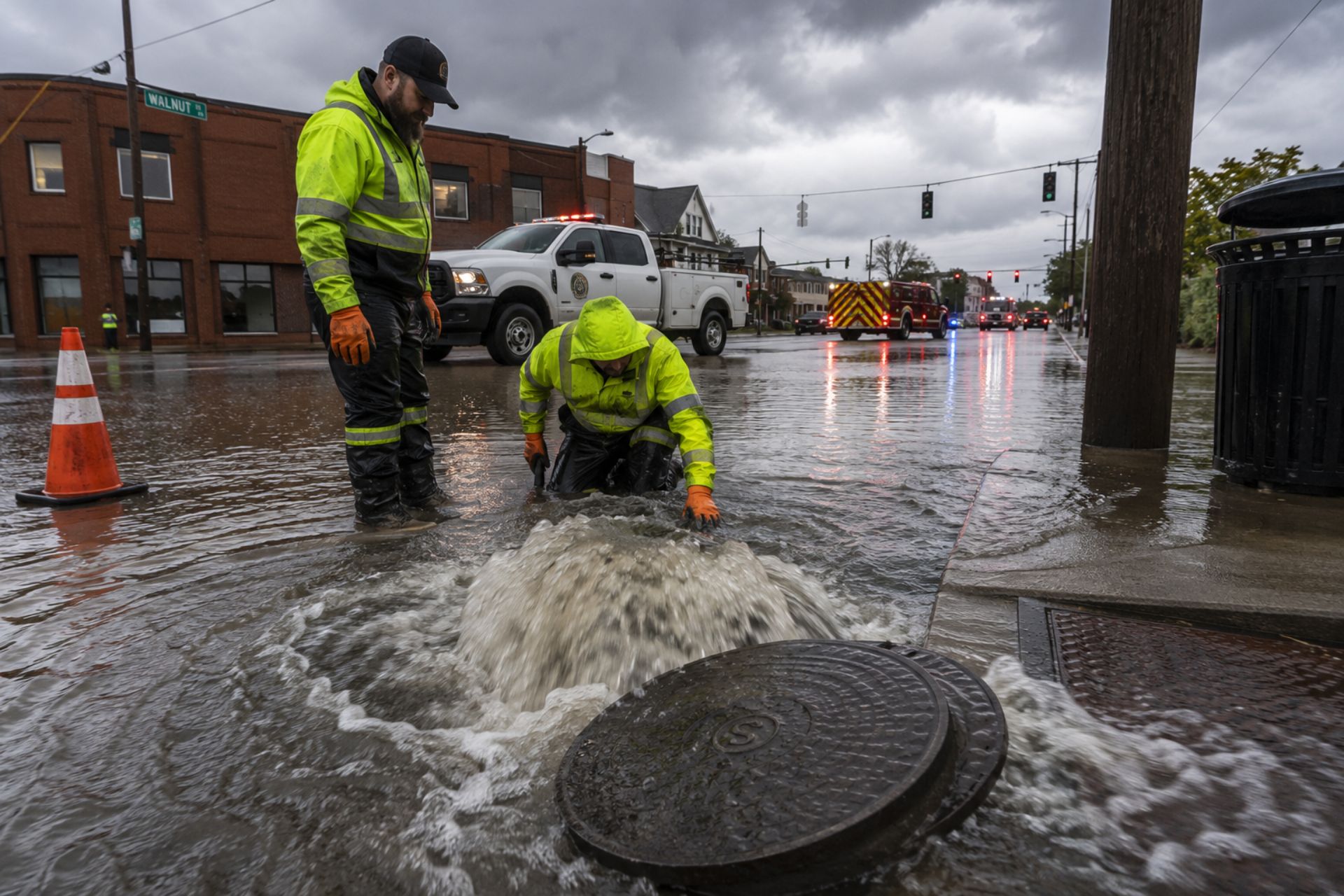
The Metropolitan Sewer District (MSD) of Greater Cincinnati has already received thousands of reports related to sewer backups and flooding following the storms that struck the region in mid-July.
Local leaders say the scale of the disaster could create expenses that exceed the utility’s approved budget for 2026. According to reports from the Cincinnati Business Courier, officials expect recovery efforts to continue for months as damage assessments remain underway.
The flooding followed an intense rainfall event that dumped five to six inches of rain in about an hour across parts of Cincinnati’s East Side. Mayor Aftab Pureval later issued a state of emergency to help the city pursue additional state and federal assistance. Officials described the storm as an extraordinary weather event that overwhelmed drainage systems and caused widespread property damage. According to MSD officials, the rainfall may have approached the scale of a once-in-1,000-year storm.
Metropolitan Sewer District flood damage raises budget concerns
The growing cost of Metropolitan Sewer District flood damage has become a major issue as recovery efforts continue. MSD’s approved operating budget for 2026 already includes funding for sewer backup investigations, maintenance, and infrastructure projects. However, thousands of claims and service requests could place additional pressure on agency resources.
According to WLWT, MSD received more than 1,000 sewer backup reports after the July 17 storm. Other local reports indicated the total number of flood-related complaints and sewer backup reports continued to rise as crews inspected affected properties. City officials have not released a final estimate of total recovery costs, but they acknowledge the financial impact could reach well beyond original forecasts.
Residents impacted by sewer backups may qualify for assistance through MSD’s Sewer Backup Program. The agency investigates every reported incident and determines whether a backup originated from the public sewer system or private property. MSD encourages residents to document damage, save receipts, and report incidents as quickly as possible. According to MSD, prompt reporting helps investigators determine eligibility for reimbursement or assistance programs.
Flood infrastructure faces renewed scrutiny
The July flooding also renewed questions about the region’s flood-control infrastructure. City officials confirmed that a floodgate near Duck Creek and Madison Road failed to close properly during the storm. City Manager Sheryl Long said the malfunction contributed to flooding in surrounding neighborhoods, although officials believe the unprecedented rainfall would still have caused significant damage even if the gate had operated correctly.
Several East Side neighborhoods experienced some of the worst flooding. Residents in Oakley, Hyde Park, Madisonville, Pleasant Ridge, and Mount Lookout reported flooded basements, damaged vehicles, and business interruptions. Some areas experienced additional flooding days later when another round of storms moved through Greater Cincinnati. According to WVXU, several businesses faced flood damage more than once within a single week.
Infrastructure experts note that stormwater systems are typically designed to manage most rainfall events but not every extreme weather scenario. As severe storms become more frequent, local governments across the country face increasing pressure to upgrade aging drainage systems, expand stormwater capacity, and improve flood resilience.
Metropolitan Sewer District flood damage may shape future projects
The financial consequences of Metropolitan Sewer District flood damage could influence future infrastructure planning throughout Hamilton County. City leaders have already begun discussing potential improvements to stormwater management systems and flood mitigation projects.
According to the Cincinnati Business Courier, officials described the July flooding as a wake-up call that may require additional investments in infrastructure. However, they also acknowledged that major upgrades would likely require significant funding and could take years to complete.
Potential areas of focus include:
- Expanding stormwater capacity in flood-prone neighborhoods.
- Modernizing aging sewer infrastructure.
- Improving floodgate reliability and monitoring systems.
- Strengthening emergency response and warning systems.
- Identifying additional funding sources for flood mitigation.
The city has also moved forward with plans to provide flood-relief assistance for affected homeowners and businesses. Officials continue to evaluate damage reports while seeking support from state and federal agencies. Recovery costs remain uncertain because inspections and insurance assessments are still ongoing.
For residents, the immediate concern remains cleanup and rebuilding. MSD continues to process claims and investigate reports while city departments work to restore damaged infrastructure. Officials say recovery efforts will likely extend well into the second half of the year.
Additional information about sewer backup assistance is available through the Metropolitan Sewer District of Greater Cincinnati. Residents can also review emergency updates through the City of Cincinnati. For related coverage, see The Cincinnati Exchange reports on flood relief funding and Cincinnati’s proposed flood resilience review.
As Cincinnati evaluates the long-term impact of the July floods, officials face difficult decisions about infrastructure spending, disaster preparedness, and future storm resilience. The final cost of Metropolitan Sewer District flood damage may not be known for months, but early indications suggest the financial impact will be substantial.
FAQs
Why could MSD need additional funding after the July floods?
MSD has received a large number of flood and sewer backup reports that require investigation, cleanup, repairs, and potential reimbursement. Officials say the total cost of recovery may exceed the funding allocated in the agency’s 2026 budget.
How many flood-related reports has MSD received?
Local news reports indicate MSD received more than 1,000 sewer backup reports after the July 17 storm, with the total number of flood-related complaints continuing to rise. Officials are still reviewing reports and assessing damage across affected neighborhoods.
What infrastructure issues were identified during the flooding?
City officials confirmed that a floodgate near Duck Creek and Madison Road failed to close properly during the storm. Investigators are reviewing the floodgate’s performance along with other infrastructure challenges exposed by the extreme rainfall event.
What steps are being considered to reduce future flood damage?
Officials are discussing improvements to stormwater management systems, sewer infrastructure, flood-control equipment, and emergency response procedures. Long-term projects may require additional funding and coordination among local, state, and federal agencies.