



Share This Article
Article Summary:
FC Cincinnati has introduced its new “Seven Hills” kit, drawing inspiration from the city’s geography and identity. The design is already generating early reactions from fans as the club prepares to debut the look in upcoming matches.
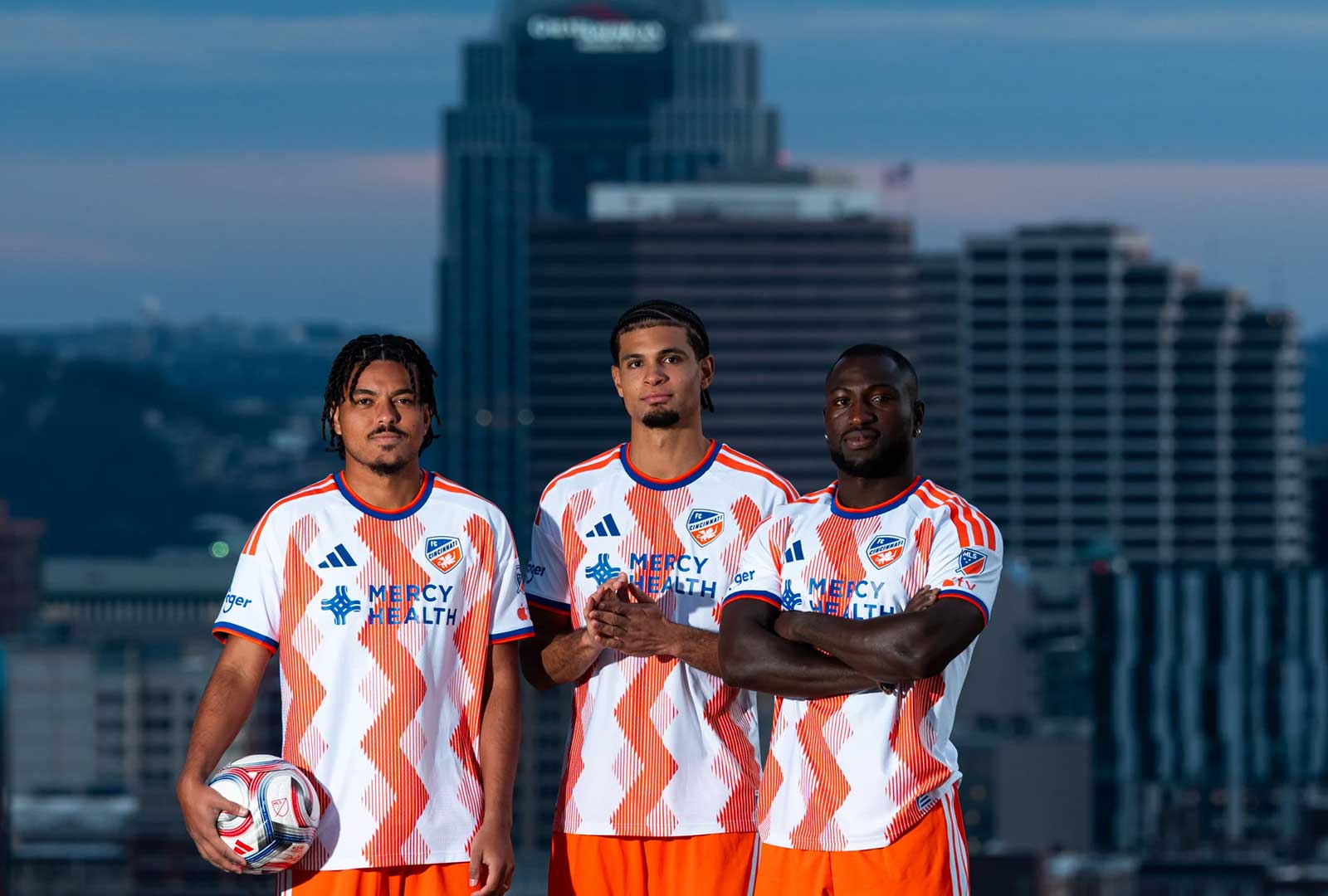
FC Cincinnati has officially unveiled its latest jersey, the “Seven Hills” kit—marking the club’s newest effort to connect its on-field identity with the city it represents.
At first glance, it’s a clean, city-inspired design. But like most modern kit releases, the conversation around the FC Cincinnati Seven Hills kit goes deeper than just how it looks.
For more local sports coverage, visit The Cincinnati Exchange Sports section. In this article, we’ll take a closer look at what makes the Seven Hills jersey special among FC Cincinnati kits.
A Design Built Around Cincinnati
The “Seven Hills” concept pulls directly from Cincinnati’s longstanding nickname, referencing the hills that define the region’s landscape. For many, the FC Cincinnati Seven Hills kit echoes a nod often associated with cities like Rome, but one that has long been part of Cincinnati’s identity as well.
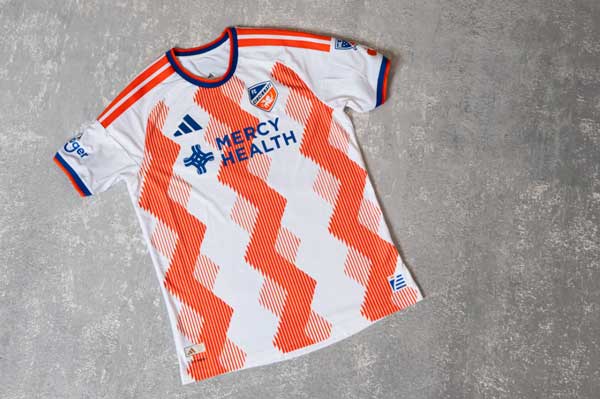
By centering the kit around that idea, FC Cincinnati is leaning into something more permanent than a seasonal look. This isn’t just a color change or alternate jersey—it’s an attempt to root the club more firmly in the city’s history and character, especially through the Seven Hills kit.
That strategy has become increasingly common across Major League Soccer, where teams are moving beyond generic designs and instead using kits as storytelling tools—ways to represent their markets in a more distinct and recognizable way.
For Cincinnati, the “Seven Hills” theme provides a natural foundation for that kind of storytelling, making the FC Cincinnati Seven Hills kit a unique representation of the city.
More Than a Jersey Release
Modern kit launches serve multiple purposes. They’re not just about what players wear on the field—they’re about how a club presents itself off of it, and the new FC Cincinnati Seven Hills kit embodies this multifaceted approach.
New jerseys drive merchandise sales, create social media engagement, and give fans something tangible to rally around. In many cases, they also become part of a team’s identity during a specific era, and the Seven Hills kit could be a defining look for FC Cincinnati.
If a team performs well while wearing a particular kit, that design can quickly take on added meaning. Consequently, the memories tied to the FC Cincinnati Seven Hills kit may become enduring among fans, remembered for big goals, playoff runs, and defining wins.
That’s part of what makes releases like this important. They’re not just visual—they’re symbolic. The Seven Hills kit is a great example for FC Cincinnati.
Why MLS Teams Change Kits More Often
One question that comes up almost every time a new jersey is released: why does it feel like soccer teams change uniforms more often than other sports? The answer can be illustrated by looking at frequent launches like the FC kit.
The answer is part business, part culture, and part where Major League Soccer sits in its evolution compared to leagues like Major League Baseball or the NFL.
MLS operates on a structured kit cycle, where teams typically introduce a new primary or secondary jersey every season, with each design lasting about two years. The FC kit is part of this ongoing rotation, creating the perception of constant change—even though each kit remains in use longer than it might seem.
But the bigger factor is revenue and engagement. New kits aren’t just about design—they’re a built-in revenue engine. As with the FC Cincinnati Seven Hills kit, they drive merchandise sales, generate attention online, and give teams a recurring moment to reconnect with their fan base.
There’s also a cultural difference. Soccer globally has embraced frequent kit changes, with clubs releasing new designs regularly. That’s why new releases, like the FC Cincinnati Seven Hills kit, fit into MLS’s evolving identity as it continues to grow and define itself.
By contrast, teams like the Cincinnati Reds—covered regularly in The Cincinnati Exchange—have uniforms that change very little over time. In baseball, consistency is part of the brand. In soccer, as highlighted by the Seven Hills kit, evolution is part of the strategy.
Early Fan Reactions to the Seven Hills Jersey
As with any new kit release, reactions have come quickly—and they’re mixed. This trend continues with the FC kit, which is drawing both praise and criticism from loyal fans.
Some fans are embracing the city-focused concept and clean design, seeing it as a strong representation of Cincinnati’s identity. Others are more critical, questioning whether the look stands out enough or captures the energy of the club’s brand as with the Seven Hills kit.
This kind of split reaction is common. New kits rarely land universally on day one, but they tend to grow on fans over time—especially once they’re seen in action during matches. The FC Cincinnati kit may be no exception.
Performance also plays a role. Jerseys tend to gain popularity when they’re associated with winning, and less so when they’re tied to disappointing stretches. If the FC kit is sported during successful times, its legacy could grow quickly.
Timing and On-Field Impact
The “Seven Hills” kit arrives at a time when FC Cincinnati is continuing to establish itself as one of the more relevant clubs in MLS. This timing makes the launch of the Seven Hills kit particularly significant for the team’s branding ambitions.
With a growing fan base and increasing expectations, moments like this carry more weight than they might have just a few years ago. The FC Cincinnati kit helps signal that the club is no longer just building—it’s expected to compete.
That makes the debut of a new kit part of a larger narrative. It reflects how the organization wants to present itself and how it continues to connect with the city, and the Seven Hills kit is central to that message for FC Cincinnati.
If the team performs well while wearing it, the kit could quickly become associated with a defining stretch of the season, and the legacy of the FC kit could be cemented among supporters.
Why Local Identity Matters in the Seven Hills Jersey
For FC Cincinnati, leaning into local identity isn’t optional—it’s essential. With the Seven Hills kit, FC Cincinnati directly ties its look to a core piece of local history.
The Cincinnati sports market is competitive. The Bengals and Reds both have deep roots and strong followings. For FC Cincinnati to continue growing, it has to carve out a distinct place within that landscape—something the Seven Hills kit is designed to achieve.
Branding decisions like the “Seven Hills” kit help accomplish that. The FC Cincinnati Seven Hills kit specifically ties the team more directly to the city, creating a connection that goes beyond wins and losses.
That kind of connection is what sustains long-term fan engagement, and wearing the Seven Hills kit could strengthen that bond for FC Cincinnati’s supporters.
FC Cincinnati’s “Seven Hills” kit is more than a new look—it’s a reflection of how the club sees its role within the city. The new Seven Hills kit serves as a visual symbol of that connection.
Early reactions may be mixed, but the strategy is clear: build something that belongs to Cincinnati, not just something that plays in it. The introduction of the FC Cincinnati Seven Hills kit reinforces that mission for the club.
How fans ultimately respond will depend not just on the design, but on what happens when the team takes the field wearing the new Seven Hills kit this season.