
Share This Article
Article Summary
Greater Cincinnati Water Works is upgrading its infrastructure to meet strict new federal Environmental Protection Agency limits on PFAS chemicals, with the Richard Miller Treatment Plant already compliant but the Charles M. Bolton Plant requiring an estimated $100 million in mandatory upgrades. To ensure safety and mitigate environmental hazards,the city is actively replacing aging lead service lines, using deep ultraviolet light disinfection against biological threats,and implementing major sewer system improvements through Project Groundwork. These extensive municipal projects are funded through a combination of federal grants, local rate increases, and targeted customer assistance programs.
The recent Cincinnati water quality improvements reflect a massive investment in public health and municipal infrastructure.
Residents track Cincinnati water quality metrics closely as new federal guidelines take effect this year.
Greater Cincinnati Water Works (GCWW) is enhancing water quality through advanced treatment, using granular activated carbon (GAC) to remove contaminants. The system, which won “Best Tasting Water in Ohio” in 2025, utilizes UV light and chlorine to meet or exceed EPA standards. Recent improvements include infrastructure updates, such as the Cooper Creek Watershed project, and new initiatives to provide canned drinking water for service disruptions.
Examining Cincinnati water quality and local safety efforts
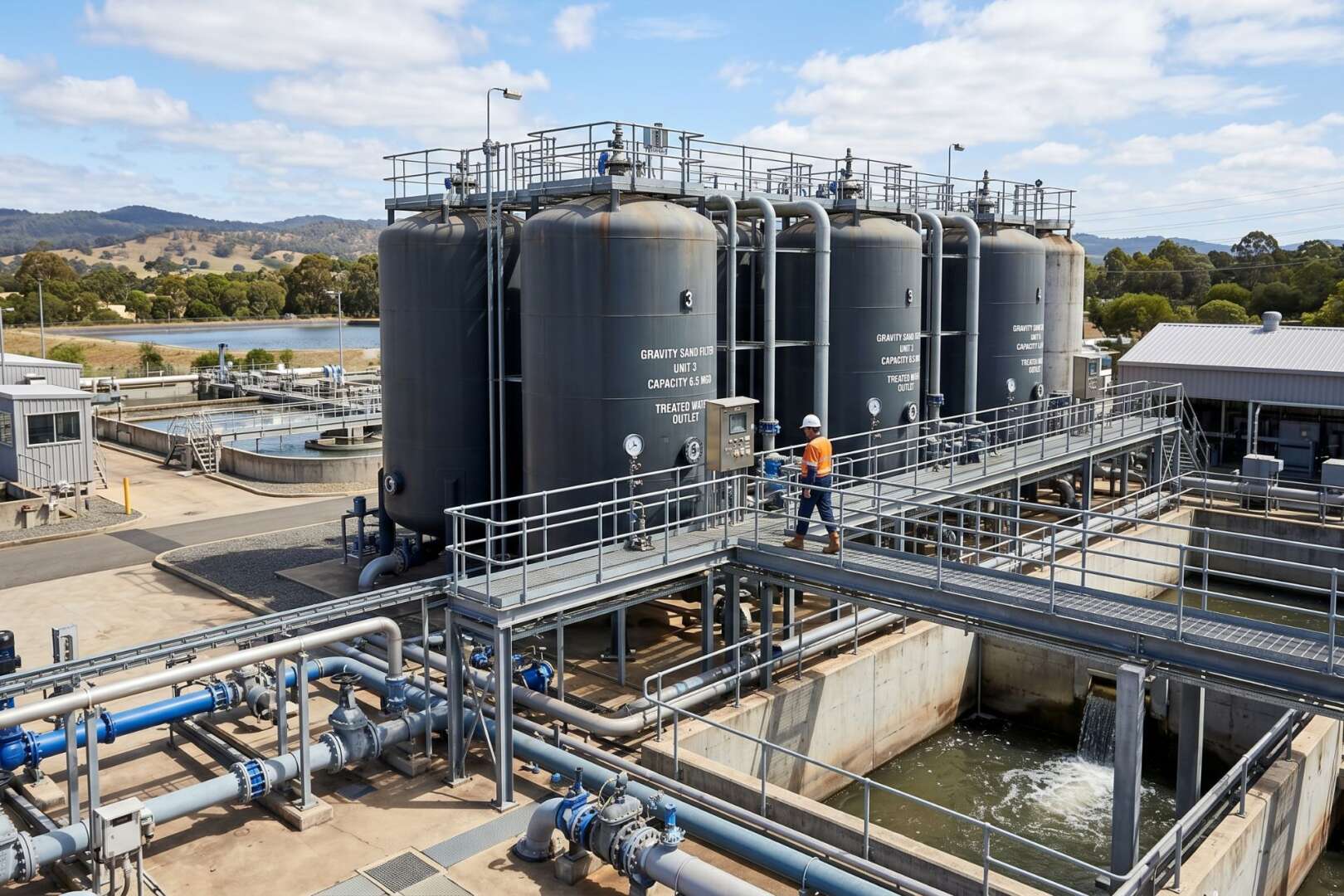
Moreover, GCWW provides drinking water to over a million regional customers. The utility faces fresh regulatory challenges in 2026. Environmental Protection Agency mandates now enforce strict limits on forever chemicals. These per- and polyfluoroalkyl substances, or PFAS, present documented health risks. The federal government recently lowered the acceptable safety thresholds for these chemical contaminants. Cincinnati benefits greatly from proactive municipal planning. The Richard Miller Treatment Plant uses advanced granular activated carbon filtration. This specialized system removes most PFAS compounds from the water supply.
Plant operators continuously monitor the raw water coming from the Ohio River. They perform rigorous chemical analyses every single day. The utility publishes these test results online for total public transparency.
According to recent coverage by The Cincinnati Enquirer, local officials confirm the primary treatment system at the Richard Miller Treatment Plant exceeds the new federal requirements by maintaining its existing, state-of-the-art carbon filters. However, this operational readiness does not extend to the entire system. The Charles M. Bolton Plant, which treats groundwater for about 12% of the network, has tested above the EPA’s new strict limits for certain PFAS compounds.
While other Ohio cities scramble to build new filtration facilities from scratch, Greater Cincinnati Water Works still faces an estimated $100 million in mandatory upgrades for the Bolton facility to meet federal compliance. Consequently, utility leadership has acknowledged that rate increases will be necessary to fund these specific filtration efforts, meaning taxpayers will not be entirely shielded from the financial impact of the new regulations.
Securing the drinking water Cincinnati residents rely on daily
Public health depends entirely on consistent access to clean water. Water authorities test the regional supply for hundreds of potential contaminants daily. Their comprehensive screening process identifies several key threats:
- Dangerous biological bacteria and viruses
- Toxic heavy metals like lead and copper
- Industrial runoff including forever chemicals
- Harmful agricultural byproducts like nitrates
Agricultural runoff from upstream farms occasionally threatens the Ohio River source water. The utility uses deep ultraviolet light disinfection to neutralize these biological threats quickly. This powerful UV treatment adds a vital extra layer of defense. It thoroughly inactivates resilient, harmful organisms like Cryptosporidium and Giardia.
Customers experience very few service disruptions or boil water advisories. The treatment system provides consistent, safe hydration for the entire metropolitan area. The utility also watches for harmful algae blooms during the hot summer months. Advanced digital sensors detect subtle changes in water chemistry almost immediately. Plant operators adjust their chemical treatment protocols in real-time to compensate. This rapid response guarantees that Ohio water safety standards remain high year-round. Independent researchers routinely verify these local safety metrics.
How modern infrastructure upgrades water networks across the region
Aging underground pipes cause major headaches for many older American cities. Cincinnati confronts this widespread deterioration problem with aggressive action. The city replaces miles of decaying cast-iron water mains every single year. Construction crews target the oldest and most vulnerable sections of the grid first. Engineers use sensitive acoustic sensors to locate hidden leaks deep underground. Fixing these invisible leaks saves millions of gallons of treated drinking water. The federal Bipartisan Infrastructure Law provides crucial financial backing for these projects.
Preventative maintenance and smart technology
Routine maintenance also prevents smaller issues from becoming major civic emergencies. Utility crews constantly flush the fire hydrants to clear sediment from the lines. They also exercise the control valves to ensure proper flow during an emergency. Modern smart meters provide real-time data directly to the central dispatch center. These digital meters alert technicians to unusual usage spikes immediately. Homeowners also use this data to track their daily household consumption. Identifying a small plumbing leak early saves property owners significant money.
These federal grants help offset the immense construction costs for local taxpayers. City planners prioritize historically marginalized neighborhoods for these critical system updates. Reliable underground infrastructure prevents catastrophic, high-pressure main breaks. These sudden breaks disrupt heavy traffic and severely damage local small businesses. According to reports by local news station WCPO, the city council recently approved additional funds for preventative repairs. You can read more about municipal budgets in our recent infrastructure finance overview.
Tackling lead pipes for better Cincinnati water quality
Lead pipes represent a serious, lingering public health hazard. Young children face severe neurological and developmental risks from lead exposure. The city operates an aggressive Lead Service Line Replacement Program to combat this. Utility officials aim to permanently remove all lead pipes from the distribution system. However, homeowners often lack the funds to replace the private side of the line. The water department offers financial assistance and generous cost-sharing options.
Licensed plumbers replace the public and private service lines simultaneously. This comprehensive removal approach eliminates the lead threat completely for the household. The replacement program gains more momentum and funding every single month. Local neighborhood associations actively help educate residents about the construction process. The utility also provides free lead testing kits to any concerned customers. You can request a testing kit directly through the official municipal portal.
Managing stormwater to protect regional waterways
Heavy seasonal rains easily overwhelm older municipal sewer systems. Cincinnati utilizes a combined sewer system in many historic urban neighborhoods. This outdated design means stormwater and raw sewage share the exact same pipes. Intense storms cause these systems to overflow directly into local waterways. The Metropolitan Sewer District handles this massive environmental challenge daily. The district operates under a strict federal consent decree to reduce these overflows.
Project Groundwork represents the primary municipal solution to this crisis. This multi-billion dollar initiative builds massive new underground treatment and storage facilities. The city also actively incorporates green infrastructure across various urban neighborhoods. Specially designed rain gardens and permeable pavements absorb excess surface runoff. Local studies on Cincinnati rain garden networks demonstrate that these systems can detain roughly half of the total stormwater inflow and significantly delay overflow into the combined sewer system (Shuster et al., 2017). These natural solutions keep massive volumes of rainwater out of the sewer system. Green infrastructure practices are widely recognized for their ability to trap sediment and reduce the overall volume of water entering municipal streams (Baker et al., 2022).
Funding the future of regional utility infrastructure
Modernizing underground utility networks requires massive capital investment over many years. Planners estimate the total costs will reach into the billions locally. Traditional funding relies heavily on gradual rate increases for residential customers. However, continuous rate hikes quickly become unsustainable for working-class families. City officials actively seek alternative revenue streams to cover these necessary improvements. They aggressively apply for state and federal environmental protection grants.
The city currently offers several targeted customer assistance programs. These crucial relief options include:
- Substantial discounts on monthly water and sewer bills
- Debt forgiveness programs for struggling households
- Flexible payment plans for unexpected high usage
- Strict bans on winter weather water shutoffs
The municipal government strictly bans water shutoffs for vulnerable populations during extreme weather. Housing advocates continuously push for more permanent, widespread affordability measures. Local leaders recognize that infrastructure costs cannot fall solely on the poorest residents. You can explore other community support initiatives in our local resources guide. The future of our region depends on equitable access to basic utilities.
References
Baker, N. T., Sullivan, D. J., Selbig, W. R., et al. (2022). Green infrastructure in the Great Lakes—Assessment of performance, barriers, and unintended consequences. Circular. https://doi.org/10.3133/cir1496
Shuster, W., Darner, R., Schifman, L., & Herrmann, D. (2017). Factors Contributing to the Hydrologic Effectiveness of a Rain Garden Network (Cincinnati OH USA). Infrastructures, 2, 11. https://doi.org/10.3390/infrastructures2030011
FAQs
How is Cincinnati addressing the new EPA limits on PFAS chemicals?
The Richard Miller Treatment Plant currently meets the new federal requirements using its existing state-of-the-art granular activated carbon filtration. However, the Charles M. Bolton Plant requires an estimated $100 million in upgrades to reach full compliance. Utility leadership has indicated that rate increases will be necessary to fund these mandatory filtration efforts.
What methods does the utility use to neutralize biological threats in the water supply?
Water authorities rely on deep ultraviolet light disinfection to quickly neutralize harmful biological organisms stemming from upstream agricultural runoff. This UV treatment effectively inactivates highly resilient bacteria and viruses, including Cryptosporidium and Giardia. Furthermore, operators utilize advanced digital sensors to detect subtle chemical changes and adjust treatment protocols in real-time.
Does the city have a plan to eliminate lead pipes from the distribution network?
Yes, Cincinnati operates an aggressive Lead Service Line Replacement Program designed to permanently remove all lead pipes from the system. Because the cost of replacing the private side of the line falls on homeowners, the water department offers financial assistance and cost-sharing options. Licensed plumbers replace both the public and private lines simultaneously to completely eliminate the threat of lead exposure.
What is Project Groundwork doing to manage stormwater and sewer overflows?
Project Groundwork is a multi-billion dollar municipal initiative built to stop raw sewage and stormwater from overflowing into local waterways during intense rain. The program involves constructing massive underground treatment and storage facilities to handle excess capacity. The city also integrates green infrastructure, such as rain gardens and permeable pavements, to absorb surface runoff before it can enter the combined sewer system.
The information provided above is for general overview purposes based on current reports regarding Cincinnati’s municipal water and sewer infrastructure. For real-time water quality metrics, active service advisories, or specific details on how to apply for lead testing kits and financial assistance programs, please consult the official Greater Cincinnati Water Works (GCWW) website or local municipal authorities.