



Share This Article
Article Summary
Duke Energy restored hundreds of thousands of customer outages after a derecho caused widespread damage across Greater Cincinnati. The Aug. 11 storm affected more than 274,000 Duke Energy customers in the region and created about 1,000 mainline events requiring repairs. More than 2,000 lineworkers, tree trimmers and support personnel assisted with the restoration effort.
Power restoration remains a major issue across Greater Cincinnati after a powerful derecho caused widespread outages.
The restoration crews faced about 1,000 mainline events that required significant repairs, according to recent reporting.
The Aug. 11 derecho caused extensive damage across Greater Cincinnati, knocking down trees, utility poles and power lines. More than 274,000 Duke Energy customers in the region lost power during the storm, according to Axios Cincinnati.
Duke Energy has since completed a large-scale response involving thousands of workers. The utility says crews restored hundreds of thousands of customer outages across its system after the storms.
The damage went beyond routine repairs. Duke crews had to address major breaks in the electrical system before they could restore service to many affected neighborhoods.
Power restoration required major infrastructure repairs
The scale of the damage made power restoration more complicated than reconnecting individual customers. Duke Energy reported roughly 1,000 mainline events from the derecho, according to Axios Cincinnati.
Mainline damage can affect large numbers of customers at once. Repairs may require crews to replace damaged equipment, repair lines or rebuild portions of the distribution system.
The derecho also brought down trees and utility poles across the region. Those hazards created additional work before crews could safely repair electrical equipment.
Duke Energy uses a priority system during major outages. The utility first focuses on critical facilities and infrastructure before moving toward other areas.
Hospitals, schools and other essential facilities receive priority during major restoration operations. Crews then focus on repairs that can restore power to the largest number of customers.
That approach means individual homes may not always receive immediate attention. A neighborhood can remain without electricity while crews work on a damaged line serving a larger section of the system.
According to Axios, Duke also employs meteorologists to monitor severe weather and help prepare its response. The utility adjusts staffing based on forecasts and expected storm threats.
Power restoration brought thousands of workers to the region
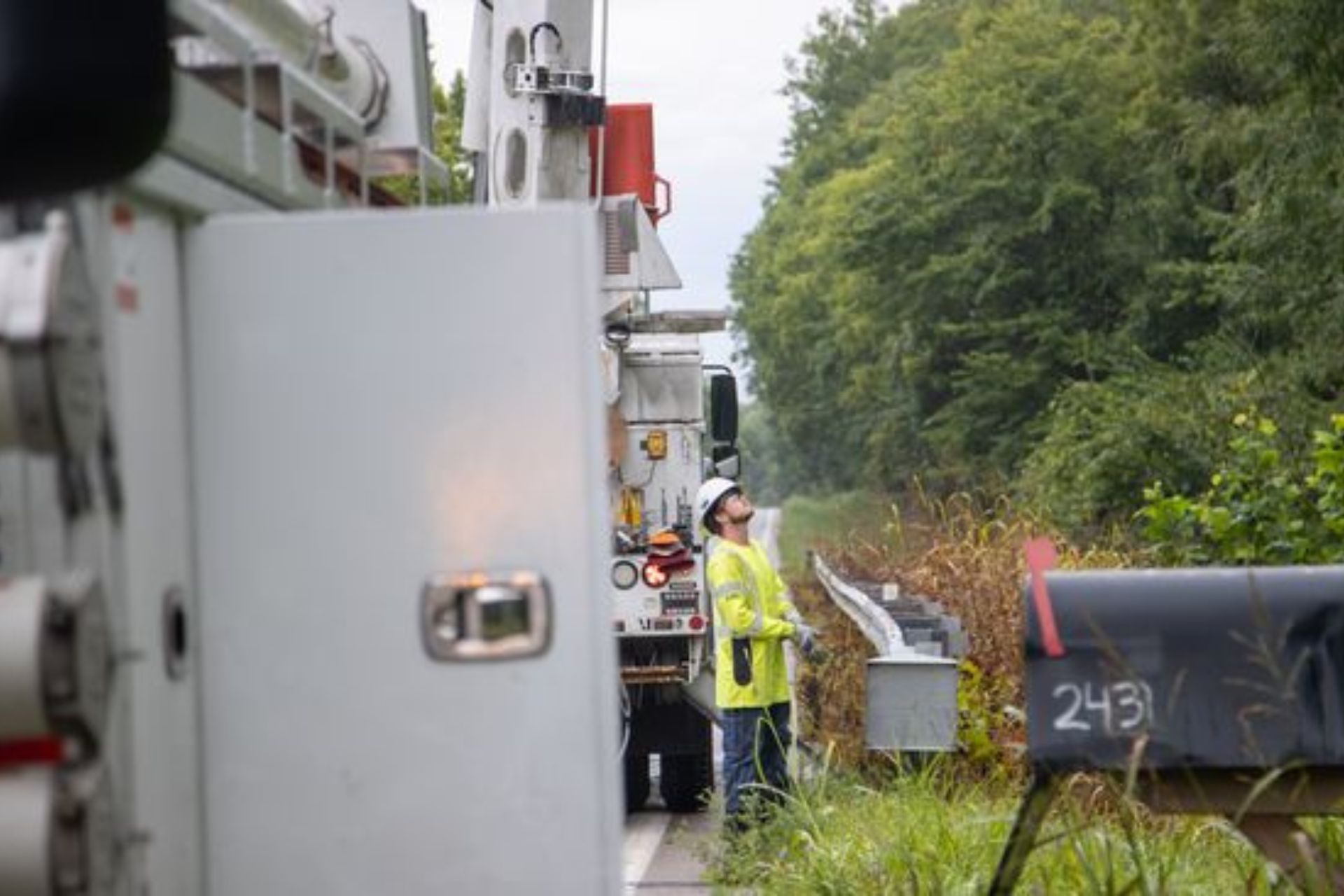
Duke Energy brought additional personnel into the region to help address the widespread damage. More than 2,000 lineworkers, tree trimmers and support personnel participated in the broader restoration effort, according to recent company information reported by local media.
The size of the response reflected the unusual scale of the damage. The Aug. 11 derecho ranked among the most damaging storms Greater Cincinnati has experienced in recent years.
Reuters also reported that severe storms across the Midwest caused widespread power outages during the same period. The news agency reported that Ohio had thousands of outages as utilities worked to restore service across the region.
The restoration effort also required crews to work around additional severe weather. More storms moved through parts of the region after the derecho, creating the possibility of new outages while crews were still repairing existing damage.
That created another challenge for utility workers. Crews could not safely perform certain repairs during active severe weather.
Duke Energy’s response also involved coordinating crews from outside the immediate Cincinnati area. Additional workers helped increase the number of teams available for damage assessment, tree removal and electrical repairs.
The utility’s work included clearing hazards from electrical infrastructure. Tree crews often need to remove fallen branches and trees before lineworkers can safely reach damaged equipment.
Cincinnati power outages followed a rare derecho
The derecho caused unusually widespread damage across Greater Cincinnati. The storm produced strong winds that knocked down trees and utility infrastructure across several communities.
More than 274,000 Duke Energy customers experienced outages in the region, according to Axios.
The storm’s impact extended beyond Cincinnati into surrounding communities in southwest Ohio and Northern Kentucky. Residents reported widespread damage, blocked roads and prolonged power interruptions.
Reuters reported that severe storms across the Midwest created hundreds of thousands of outages during the same weather event. The storms affected multiple states and placed additional demands on utility restoration crews.
For Cincinnati residents, the damage created problems beyond electricity. Extended outages can affect refrigeration, heating and cooling systems, internet service and businesses that depend on electricity.
Some residents also faced difficulty receiving reliable restoration estimates during the early stages of the response. Utilities typically need to assess damage before providing accurate restoration times.
That process can take longer after a major storm. Crews must first determine which lines and equipment failed before they can establish the work required.
The Cincinnati Exchange’s coverage of recent storm recovery provides additional local context about the region’s ongoing response to severe weather.
Power restoration follows a priority-based system
Duke Energy’s restoration process follows an established priority system. The utility first addresses situations that can restore service to critical infrastructure and large numbers of customers.
The general priorities include:
- Critical facilities such as hospitals and emergency services.
- Major electrical lines serving large numbers of customers.
- Distribution equipment serving neighborhoods.
- Individual service lines and smaller localized outages.
This process can make restoration times differ significantly between nearby neighborhoods. One street may regain electricity while another remains without service because the underlying damage differs.
The location and type of damage also affect restoration times. A simple equipment failure can take less time to repair than a damaged pole or multiple downed lines.
Safety remains another major factor. Crews cannot safely approach damaged electrical equipment until hazards such as fallen trees and unstable poles are addressed.
Residents should stay away from downed power lines and report dangerous conditions to the appropriate authorities. Duke Energy also provides outage information through its official outage resources.
Duke Energy prepares for additional storms
The derecho’s aftermath comes as Greater Cincinnati remains vulnerable to additional summer storms. Recent weather patterns have already produced multiple rounds of severe weather across the region.
Duke Energy says it continues to monitor forecasts and adjust its staffing accordingly. The company has meteorologists who help anticipate severe weather and prepare restoration resources.
Additional storms could create new outages before all storm-related work concludes. That makes weather forecasting and crew availability important parts of the ongoing response.
The utility also faces questions about the region’s electrical infrastructure. One issue raised in recent coverage involves whether more power lines should move underground.
Underground power lines can reduce exposure to falling trees and some types of storm damage. However, installing underground infrastructure can cost significantly more than maintaining overhead systems.
Axios reported that undergrounding remains limited because of the high costs involved. The issue has gained renewed attention following the scale of the recent Cincinnati-area outages.
The recent derecho has therefore created a broader conversation about grid reliability and storm preparedness. The immediate priority remains repairing damaged infrastructure and restoring reliable service.
What Cincinnati residents should know
Most customers affected by the major outage event have already had service restored. However, isolated problems can continue after widespread outages end.
Residents who experience a new outage should check Duke Energy’s outage information and report the problem if necessary. Customers should also avoid approaching downed lines or damaged electrical equipment.
Residents can monitor Duke Energy’s outage information for updates and estimated restoration times.
The Cincinnati Exchange will continue following local storm recovery and infrastructure developments as officials and utility crews assess the damage.
The recent derecho showed how quickly severe weather can disrupt electricity across Greater Cincinnati. It also demonstrated why large-scale power restoration can take days when storms damage hundreds of pieces of electrical infrastructure at once.
For Duke Energy, the immediate response has focused on restoring customers while repairing the underlying network. The longer-term question is how utilities and communities can prepare for another major storm.
FAQs
What caused the Cincinnati power outages?
A powerful derecho moved through Greater Cincinnati on Aug. 11, bringing damaging winds and widespread tree and utility infrastructure damage. The storm caused more than 274,000 Duke Energy customer outages in the region.
How many mainline events did Duke Energy report?
Duke Energy reported roughly 1,000 mainline events following the derecho. These events involved major electrical infrastructure and required crews to complete significant repairs.
How many workers helped restore power?
More than 2,000 lineworkers, tree trimmers and support personnel joined the restoration effort. Crews worked across the region to clear hazards and repair damaged electrical infrastructure.
Why can some power outages take longer to restore?
Duke Energy prioritizes critical facilities and repairs that can restore electricity to large numbers of customers. Damage involving trees, poles and major electrical equipment can also require additional work before crews can safely restore service.