



Share This Article
Article Summary
The Cincinnati nightlife economy is experiencing significant growth as local businesses extend their operational hours to meet rising post-midnight consumer demand. Driven by an increase in weekend foot traffic and a growing population of young professionals, establishments in downtown and surrounding districts are expanding their late-night food and entertainment options. While labor shortages and rising operational costs present structural challenges, city planners and business alliances continue to invest in the region’s expanding 24-hour ecosystem.
Cincinnati nightlife economy shows massive post-pandemic growth as 24-hour business trends return.
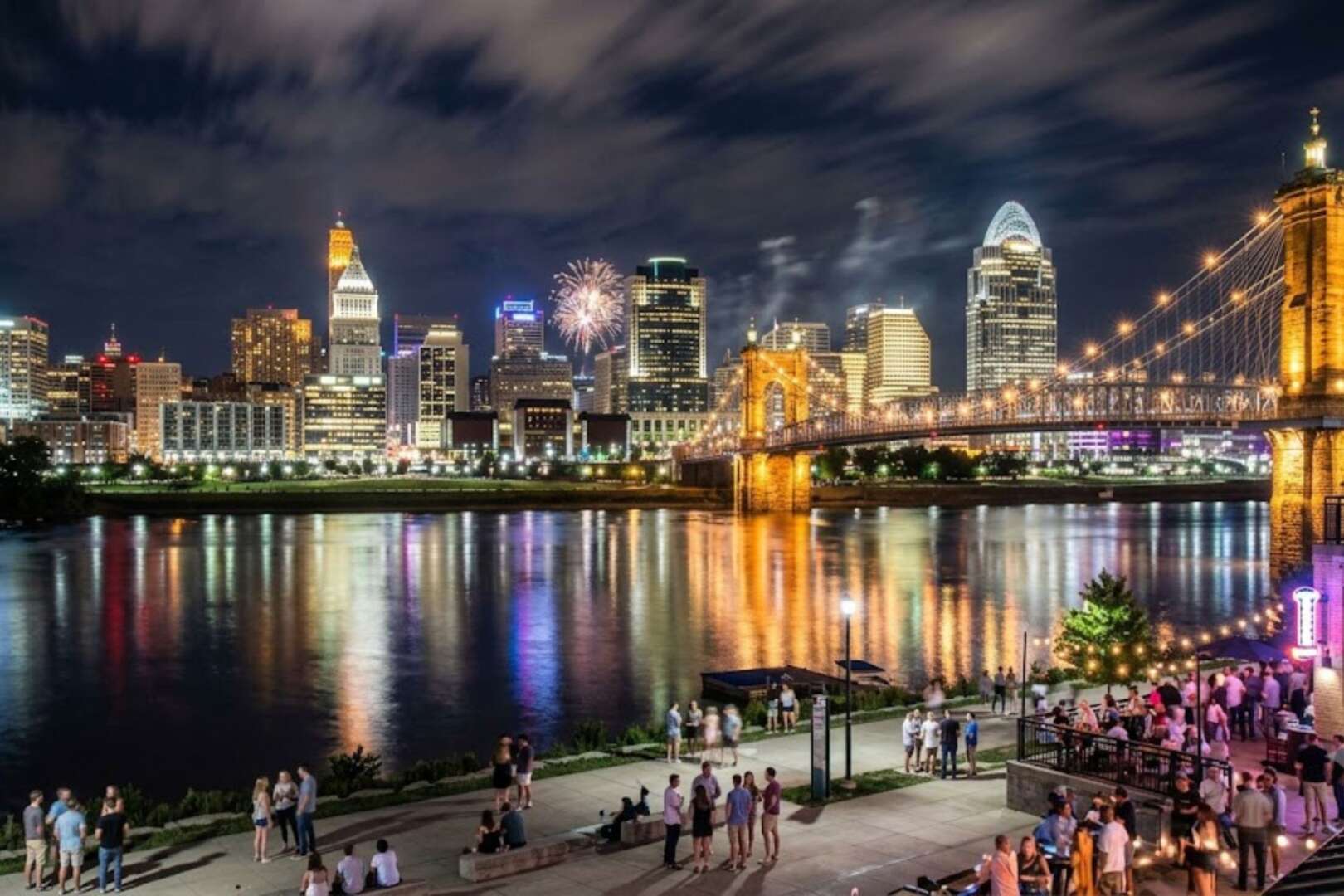
The Queen City undergoes a dramatic visual transformation after midnight as local venues expand hours to capture growing late-night spending.
A new rhythm after dark
The Cincinnati nightlife economy is experiencing a significant revival as consumers demand late-night options. According to data published by Downtown Cincinnati Inc., local foot traffic during weekend evening hours has risen steadily. As a result, retail and dining establishments are rethinking their traditional operations. Businesses that once closed their doors by 9:00 p.m. are now shifting strategies to capture late-night dollars.
This trend reflects a broader cultural change across Southwest Ohio. Industry analysts report that workers returning to office spaces, and the resurgence of conventions have stimulated a distinct second wave of daily economic activity. Instead of heading straight home after a ballgame or a theatrical performance, residents are now choosing to linger downtown. As a result, they are establishing a lucrative ecosystem for night-centric commercial enterprises.
Local venues respond to growing demand
The culinary and entertainment landscape is adapting quickly to support the cincinnati nightlife economy. Establishments are moving far beyond typical bar food, offering elevated, gourmet dining experiences well past midnight.
- Expanded kitchen hours: Popular restaurants in the historic Over-the-Rhine (OTR) district are keeping kitchens open until 2:00 a.m. on weekends to cater to concertgoers and late-shift workers.
- Specialty dessert concepts: Nationwide night-owl favorites, including late-night bakeries like Insomnia Cookies, are reporting sustained traffic increases during early morning delivery hours.
- The rooftop revolution: Across the river, regional hospitality group leaders are opening elevated lounges like Up There in Covington, specifically targeting a sophisticated late-night demographic looking for premium cocktail experiences.
Economic drivers behind the midnight shift
The steady rise of the Cincinnati nightlife economy relies heavily on a booming urban core. A massive infusion of manufacturing, technology, and regional infrastructure investments totaling billions has turned Cincinnati into a bustling powerhouse. Additionally, this rapid industrial growth brings an influx of younger professionals. These young professionals naturally expect a dynamic, round-the-clock cityscape.
As reported by Cincinnati CityBeat, the local DIY music scene, rooftop bars, and jazz lounges are working collectively to capture this shifting market. For example, community fixtures like Caffè Vivace recently extended their commitments to the area. This is because they have long-term confidence in the neighborhood’s evening vitality. Also, city planners emphasize that a safe, vibrant nightlife acts as a powerful recruiting tool. In particular, companies trying to attract top-tier global talent see nightlife as crucial.
Overcoming the hurdles of extended operations
Operating successfully within the modern nightlife economy requires overcoming complex structural challenges. Labor shortages, security management, and transportation logistics present ongoing hurdles for businesses. These are major issues for anyone attempting to transition toward a 24-hour model.
According to regional economic reports from the U.S. Bureau of Labor Statistics, private sector compensation costs and wages have risen steadily across the Midwest. Consequently, late-night staffing has become an expensive venture for independent business owners. To offset these higher operational overhead costs, many local retail shops and eateries are opting for staggered, hybrid schedules. Rather than staying open 24 hours a day, seven days a week, operators are maximizing profitability. They do this by aggressively targeting specific high-traffic windows. These windows include Thursday through Saturday nights.
Future outlook for the region
The trajectory of the Cincinnati nightlife economy signals a permanent evolution in how the city utilizes its commercial real estate. As infrastructure megaprojects continue to reshape the downtown skyline and surrounding riverfront districts, the boundaries between traditional daytime business hours and nighttime entertainment keep blurring.
Municipal groups and business alliances are exploring new frameworks to support this expansion safely. With incoming luxury hotels, expanded transit options, and a highly active hospitality sector, Cincinnati is successfully shedding its old reputation as a quiet, daytime-only corporate hub. For that reason, the midnight hours are no longer just an afterthought. They represent the next frontier of major economic expansion for the Queen City.
FAQs
What is driving the expansion of the Cincinnati nightlife economy?
The growth is primarily driven by a steady rise in weekend foot traffic from returning office workers, convention attendees, and sports fans choosing to stay downtown after events. Additionally, a massive influx of regional manufacturing and technology investments has brought a younger demographic to the urban core that expects round-the-clock amenities.
Which neighborhoods are seeing the most late-night business growth?
The historic Over-the-Rhine (OTR) district and the downtown commercial core are leading the expansion with kitchens staying open until 2:00 a.m. Nearby riverfront areas, including rooftop lounges in Covington across the river, are also extending their hours to capture late-night consumer spending.
What specific operational challenges do these late-night businesses face?
Establishments expanding into the late-night hours must navigate rising labor costs, staffing shortages, and complex security and transportation logistics. To manage these expenses, many independent operators are utilizing hybrid schedules that target peak high-traffic windows from Thursday through Saturday rather than operating a full 24/7 model.
How are city officials supporting the transition to a 24-hour economy?
Municipal groups and business alliances are working together to implement safety frameworks, improve public transit options, and integrate late-night activity with new luxury hotel developments. City planners view a vibrant after-hours economy as a critical tool for attracting and retaining top-tier corporate talent to the region.