
Share This Article
Article Summary
Cincinnati’s emergency response to the July 17 flash floods included approximately 40 water rescues, widespread road closures, and coordinated cleanup efforts after torrential rain caused severe flooding across several East Side neighborhoods. Officials are reviewing the performance of the Duck Creek floodgate and assessing stormwater infrastructure while residents and businesses continue recovering from flood damage. The city is also evaluating future flood mitigation projects and potential assistance for affected property owners.
Heavy rainfall that struck the Cincinnati area on July 17 left emergency crews scrambling to rescue stranded motorists, close flooded highways, and help residents whose homes and businesses filled with water.
While first responders prevented a larger loss of life through rapid action, city officials now face growing pressure to improve flood protection before another severe storm arrives.
The storm produced some of the worst flash flooding the city has seen in years. Oakley, Hyde Park, Madisonville, Pleasant Ridge, Fairfax, and parts of Norwood experienced some of the heaviest impacts as streets quickly became rivers and water poured into homes and businesses.
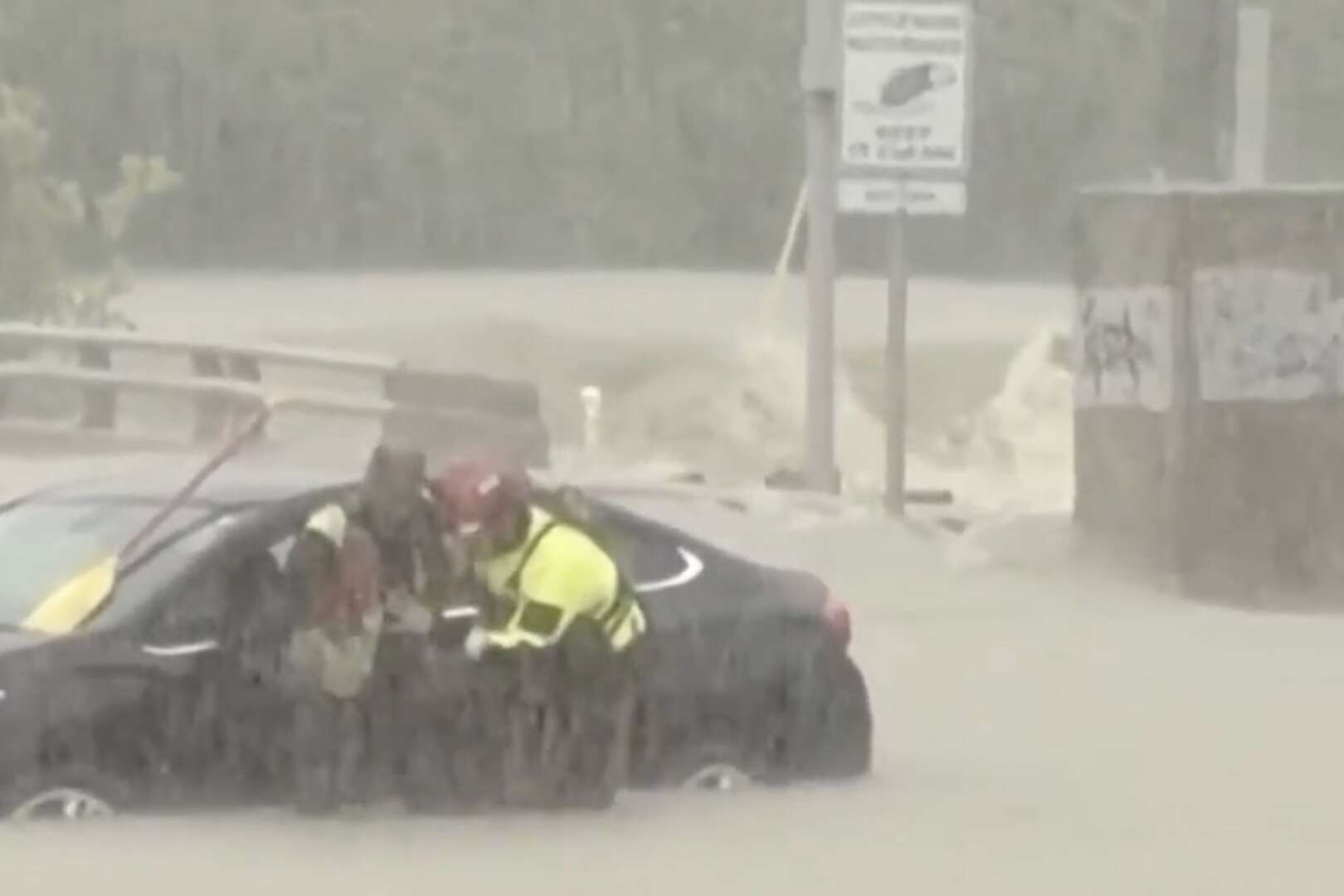
According to the Cincinnati Fire Department, firefighters responded to approximately 40 water rescues during the storm. The department also handled nearly 200 emergency calls while deploying nearly all available on-duty resources under a unified command system.
READ MORE:
East Side flooding leaves one dead, three injured after torrential rain in Hamilton County
East Side flooding cleanup continues as Cincinnati businesses recover
Cincinnati flash floods prompt large emergency response
The city’s emergency response centered on protecting lives during the fast-moving storm.
Firefighters deployed swift-water rescue teams throughout the evening as vehicles became trapped in rapidly rising floodwaters. Rescue crews used specialized equipment, drones, and divers to search flooded areas and safely remove stranded drivers from submerged vehicles.
According to Fire Chief Frank McKinley, the hardest-hit neighborhoods included:
- Oakley
- Madisonville
- Pleasant Ridge
- Hyde Park
- Fairfax
Officials repeatedly urged residents to stay off flooded roads and avoid unnecessary travel. Through the City’s CincyAlert system, emergency managers warned motorists never to drive through standing water because flood depths can change within seconds.
The response extended beyond neighborhood streets.
Floodwaters forced temporary closures along portions of Interstate 71 as multiple vehicles became stranded. Traffic cameras showed water covering several lanes before crews gradually reopened the highway after conditions improved. Reporters from WCPO and FOX19 documented flooding across major roadways and residential neighborhoods as emergency personnel worked throughout the evening.
Cleanup begins as residents assess flood damage
Once floodwaters receded, the city’s focus shifted toward cleanup and recovery.
Public works crews removed debris from streets while residents emptied flooded basements and businesses began assessing property damage. According to the Cincinnati Fire Department, at least 27 homes and businesses experienced severe flooding during the storm. One weather-related fatality occurred in Fairfax, while officials also reported several injuries connected to the flooding.
Mayor Aftab Pureval returned to Cincinnati after shortening a work trip and visited some of the hardest-hit neighborhoods.
Speaking with residents in Oakley, the mayor acknowledged the widespread destruction and said city crews would remain in affected neighborhoods as long as necessary. He also said Cincinnati is exploring grant funding to help residents recover, particularly homeowners without adequate flood insurance, according to FOX19.
Residents described how quickly conditions changed.
Several homeowners told local television stations that water entered their homes within minutes, leaving little time to move belongings. Businesses in Hyde Park and Oakley also reported extensive losses after floodwaters rose well above floor level.
Cincinnati flash floods renew infrastructure concerns
As cleanup continued, attention shifted toward whether Cincinnati’s flood protection systems performed as designed.
One of the biggest questions involves the Duck Creek floodgate near Madison Road.
Assistant Fire Chief Matt Flagler said city officials believe the automated floodgate did not close during the storm. The city is working with the U.S. Army Corps of Engineers and local stormwater officials to determine whether the system malfunctioned or whether multiple factors contributed to the flooding.
However, the Metropolitan Sewer District cautioned that the floodgate was only one part of a much larger system.
According to Axios Cincinnati, the district said the intense rainfall, stormwater runoff, and other conditions all contributed to the flooding. The agency has not concluded that the floodgate alone caused the damage.
Mayor Pureval also urged patience while investigators review sensor data and video from the floodgate before determining whether equipment failed.
“We always have to learn from major weather events that cause this level of destruction,” the mayor said in a statement reported by WCPO.
The flooding has also renewed debate over future development in Hyde Park and surrounding neighborhoods. Some business owners say repeated flooding demonstrates the need for additional stormwater improvements before new construction proceeds, according to Axios Cincinnati.
What officials say happens next
City officials say the emergency response successfully prevented additional casualties despite the scale of the storm.
The next phase will focus on evaluating infrastructure, supporting recovery efforts, and identifying improvements that could reduce flood risks during future extreme weather.
Officials are expected to continue reviewing:
- The operation of the Duck Creek floodgate.
- Stormwater system capacity.
- Emergency response procedures.
- Opportunities for infrastructure upgrades.
- Financial assistance for affected residents.
The investigation could influence future investments in flood mitigation projects across Cincinnati’s East Side, where repeated flash flooding has become a growing concern.
For many residents, the July storm highlighted both the strengths and limitations of Cincinnati’s emergency response.
Firefighters, police officers, and emergency personnel responded quickly to rescue stranded motorists and secure dangerous areas. At the same time, the flooding exposed vulnerabilities in aging infrastructure that city leaders acknowledge require continued attention as severe rainfall events become more frequent.
FAQs
How did Cincinnati respond to the July flash floods?
The Cincinnati Fire Department deployed swift-water rescue teams and responded to approximately 40 water rescues as floodwaters stranded motorists. Police, public works crews, and emergency management officials also closed flooded roads, managed traffic, and issued public safety alerts.
Which neighborhoods experienced the most flooding?
Oakley, Hyde Park, Madisonville, Pleasant Ridge, Fairfax, and nearby communities reported some of the worst flooding. Many homes, businesses, and roadways in those areas sustained water damage during the storm.
Why is the Duck Creek floodgate under investigation?
City officials are reviewing whether the Duck Creek floodgate operated properly during the storm. The investigation includes coordination with the U.S. Army Corps of Engineers and the Metropolitan Sewer District to determine whether equipment performance or other factors contributed to the flooding.
What happens after the emergency response?
The city has shifted its focus to cleanup, damage assessments, and infrastructure reviews. Officials are also considering long-term flood mitigation projects and evaluating options to help residents recover from the storm.