
Share This Article
Article Summary
Flash flooding returned to the Cincinnati area Tuesday as another round of strong storms moved across the Tri-State, days after historic rainfall caused widespread damage and one death. City leaders said their immediate priority is helping residents and businesses recover while evaluating long-term improvements to stormwater infrastructure. Officials continue investigating the Duck Creek flood gate operation during Friday’s flooding and are encouraging residents to stay alert for additional severe weather.
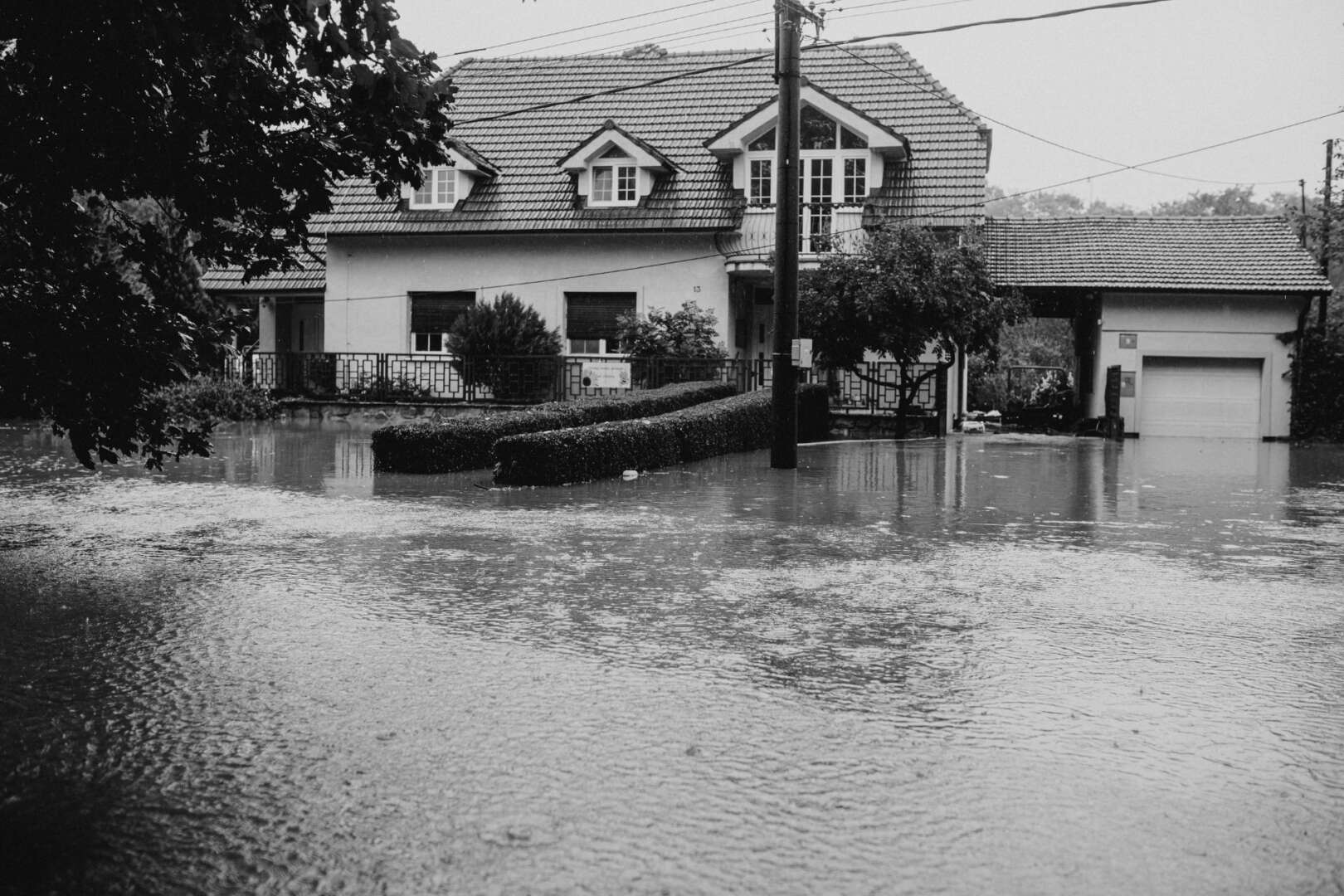
Cleanup continued across Cincinnati on Tuesday after another round of strong thunderstorms swept through the Tri-State, bringing renewed flash flooding to neighborhoods still recovering from Friday’s historic rainfall.
The latest storms reinforced concerns that the city faces growing challenges as heavy rain events become more frequent.
Residents and business owners spent the weekend removing damaged belongings, drying flooded basements, and assessing property losses. While Tuesday’s storms generally caused less damage than Friday’s event, they served as another reminder that many neighborhoods remain vulnerable to sudden flooding.
According to the National Weather Service, severe thunderstorms on Tuesday carried the risk of damaging winds, large hail, isolated tornadoes, and additional flash flooding across southwest Ohio and northern Kentucky. Local meteorologists urged residents to closely monitor weather alerts throughout the afternoon and evening.
Friday’s flooding claimed one life in Fairfax, injured three people, and triggered nearly 200 emergency calls as first responders rescued stranded motorists and responded to flooded homes and businesses, according to the Cincinnati Fire Department.
READ MORE:
Cincinnati flash floods: How the city responded and what comes next
Flash flooding keeps recovery efforts underway
City officials said helping residents recover remains the immediate priority.
Cincinnati City Council member Mark Jeffreys said the city is focused on providing assistance before turning its full attention to long-term infrastructure improvements.
“Our focus now rightfully in these first few days is how we make sure we provide people with relief. How do we provide them with the assistance that they need? How do we clean up?” Jeffreys said.
Jeffreys has also shared videos showing floodwaters rushing along Edwards Road near Hyde Park Square, one of several areas affected during both Friday’s and Tuesday’s storms.
Businesses in Hyde Park Square continued cleaning up after experiencing repeated flooding within four days. Dovetail Bakery was among the businesses affected twice, while neighboring shops worked together by sharing cleanup equipment and discussing ways to reduce future flood damage.
Business owners told WVXU they are questioning whether local stormwater systems can adequately manage increasingly intense rainfall. Several said water appears to drain more slowly than in previous years, leading them to seek answers from city officials.
Flash flooding raises infrastructure concerns
The repeated flooding has renewed scrutiny of Cincinnati’s stormwater infrastructure.
One area receiving particular attention is the Duck Creek flood gate near Madison Road. During Friday’s storm, the flood gate did not close before Duck Creek overflowed, contributing to significant flooding in surrounding neighborhoods.
City officials said the Cincinnati Stormwater Management Utility closed the Madison Road flood gate Tuesday afternoon as a precaution before the next round of storms arrived. Traffic remained blocked while crews monitored water levels.
Officials continue working with the U.S. Army Corps of Engineers to determine why the gate failed to close during Friday’s flooding. The investigation remains ongoing.
Residents have also raised concerns about aging drainage systems, overwhelmed storm sewers, and basement flooding during heavy rainfall.
Mayor Aftab Pureval visited hard-hit neighborhoods in Oakley this week, where homeowners described floodwaters rising within minutes and destroying furniture, appliances, and personal belongings stored in basements. The mayor said city crews will remain in affected neighborhoods to support recovery efforts while officials pursue grant funding for uninsured losses, according to FOX19.
Emergency responders face repeated weather emergencies
Emergency responders have managed multiple severe weather events within days.
During Friday’s flooding, Cincinnati firefighters, police officers, dispatchers, and mutual aid agencies responded to nearly 200 emergency calls. Crews rescued stranded motorists from flooded roads and assisted residents trapped by rapidly rising water.
Officials said repeated weather emergencies place additional demands on personnel and equipment while increasing operational costs.
Tuesday’s storms again prompted flood concerns across parts of Cincinnati. The National Weather Service also confirmed a tornado in Clermont County after radar detected debris southwest of Amelia. Fortunately, no fatalities were reported from Tuesday’s tornado.
Weather experts emphasized that although Friday’s flooding resulted from an exceptionally intense burst of rainfall, additional heavy downpours remain possible whenever strong thunderstorms develop during the summer months.
Residents seek long-term flood protection
Residents say recovery is only one part of the challenge.
Many homeowners whose basements flooded are replacing damaged drywall, flooring, furnaces, water heaters, and personal belongings while wondering whether future storms could cause similar losses.
Business owners also continue evaluating ways to protect storefronts from future flooding. Some have installed temporary barriers or sandbags, while others are exploring permanent mitigation options.
City leaders have acknowledged that infrastructure improvements will require significant planning and investment.
Potential areas of focus include:
- Modernizing aging stormwater infrastructure.
- Improving drainage in flood-prone neighborhoods.
- Evaluating flood gate operations and emergency procedures.
- Expanding long-term flood mitigation projects.
- Strengthening emergency preparedness during severe weather.
Climate experts have warned that warmer atmospheric conditions can increase the amount of moisture available during storms, creating a greater potential for intense rainfall over short periods. While no single storm can be attributed solely to climate change, researchers have found that extreme precipitation events are becoming more common across many parts of the United States.
For many Cincinnati residents, however, the immediate concern remains recovery.
Cleanup crews continue removing debris, drying flooded buildings, and restoring damaged properties while city officials evaluate what additional steps may help reduce future flood risks.
As another active stretch of summer weather continues, officials encourage residents to remain weather-aware, avoid driving through flooded roadways, and sign up for emergency alerts whenever severe storms are forecast.
FAQs
What caused the recent flash flooding in Cincinnati?
Heavy rainfall from consecutive rounds of severe thunderstorms overwhelmed stormwater systems and waterways in parts of Cincinnati. The intense rainfall caused streets, homes, businesses, and low-lying areas to flood within a short period.
What is the city doing to help residents recover?
City officials are focusing on cleanup, debris removal, and providing assistance to affected residents and businesses. They are also assessing damage and reviewing infrastructure performance to help reduce future flood risks.
Why is the Duck Creek flood gate receiving attention?
The Duck Creek flood gate near Madison Road did not close before floodwaters rose during Friday’s storm. City officials are working with the U.S. Army Corps of Engineers to determine why it remained open and whether changes are needed.
Could Cincinnati experience more flash flooding this summer?
Weather officials say additional heavy rainfall is possible whenever strong thunderstorms develop during the summer. Residents are encouraged to monitor forecasts, sign up for weather alerts, and avoid driving through flooded roadways during severe weather.