



Share This Article
Article Summary
Cincinnati farmers’ markets and local grocery stores are seeing increased customer traffic as the ongoing multistate cyclosporiasis outbreak raises concerns about fresh produce. Shoppers are asking more questions about where fruits and vegetables are grown while seeking locally sourced options, according to WLWT. Federal and state health officials continue investigating the outbreak, and the CDC and FDA advise consumers to follow safe food handling practices and monitor official updates.
Consumers across Greater Cincinnati are changing where they shop as the ongoing cyclosporiasis outbreak raises concerns about fresh produce.
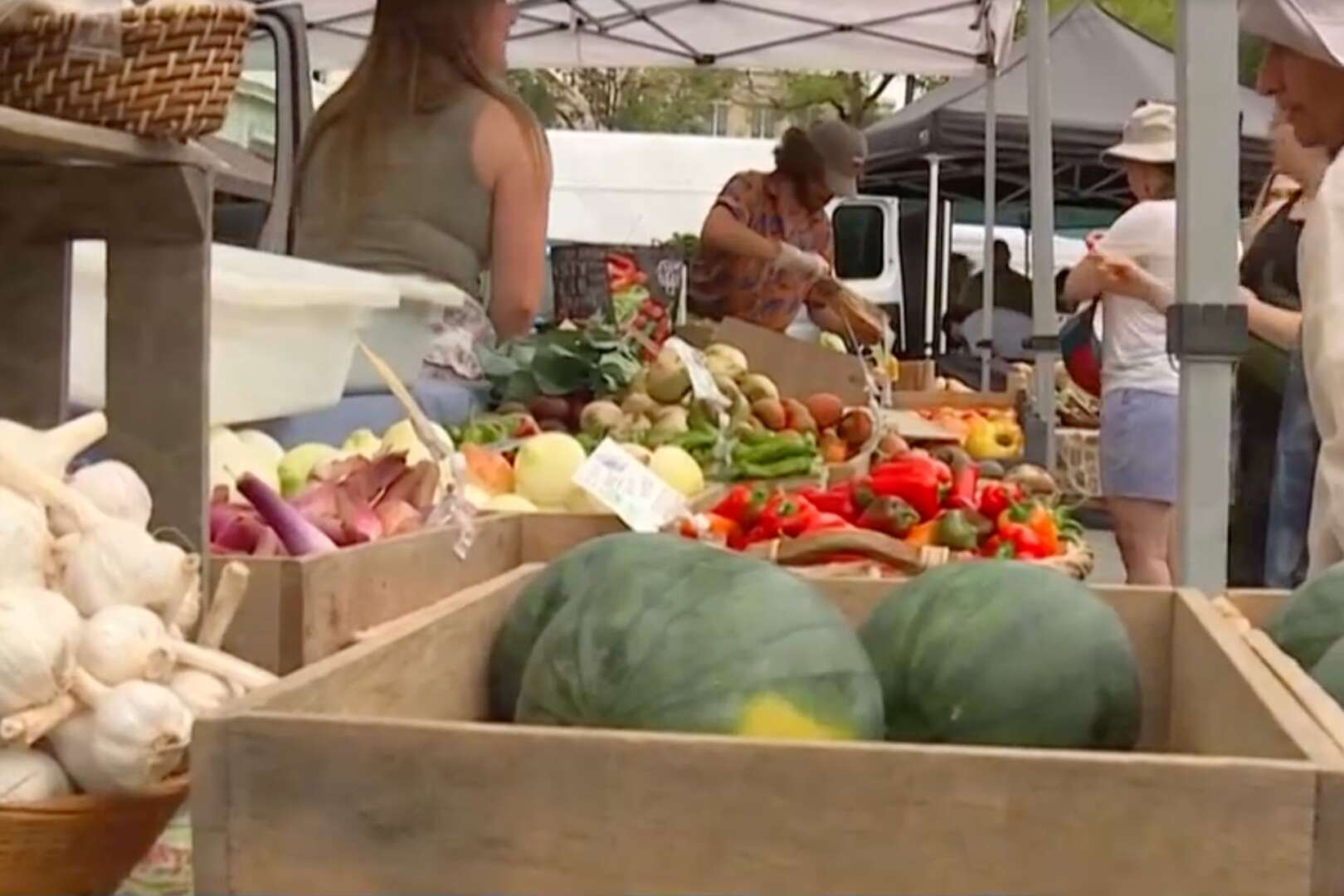
Cincinnati farmers’ markets have reported increased customer traffic, while local grocery stores also say shoppers are asking more questions about where fruits and vegetables are grown.
The shift comes as federal and state health officials continue investigating a multistate Cyclospora outbreak associated with fresh produce.
Local vendors say customers want reassurance about food safety and are increasingly choosing products grown closer to home.
The trend reflects a broader effort by shoppers to better understand the origin of the food they purchase. Farmers’ markets across Hamilton County and neighboring communities have reported more conversations about growing practices, harvesting methods, and produce sourcing. While health officials continue their investigation, they emphasize that consumers should not avoid eating fruits and vegetables altogether. Instead, experts recommend following proper food safety practices and purchasing produce from trusted sources.
Cincinnati farmers’ markets benefit from changing shopping habits
The ongoing outbreak has prompted many consumers to reconsider where they buy fresh produce. According to WLWT, several Cincinnati-area farmers’ markets and grocery stores have experienced an increase in customer traffic as shoppers seek locally grown fruits and vegetables and ask more questions about product origins.
Market vendors told the television station that many customers now want to know:
- Where produce was grown
- How it was harvested
- When it arrived at the market
- Whether it came directly from local farms
Several vendors said customers appreciate being able to speak directly with growers, giving them more confidence in the food they purchase. While locally grown produce is not automatically safer than produce shipped from other regions, many shoppers believe direct access to farmers provides greater transparency.
The increased interest has also benefited neighborhood grocery stores that stock produce from regional farms. Store employees reported more conversations with customers about food sourcing and handling practices.
Industry experts say consumer behavior often changes during foodborne illness outbreaks. People tend to seek more information before purchasing fresh foods and may temporarily shift spending toward businesses that can clearly explain where products originate.
The Cincinnati farmers’ markets trend follows a national outbreak
Federal health officials continue investigating the multistate cyclosporiasis outbreak. According to the Centers for Disease Control and Prevention (CDC), Cyclospora is a microscopic parasite that causes an intestinal illness known as cyclosporiasis. People become infected after consuming food or water contaminated with the parasite.
Symptoms commonly include:
- Persistent diarrhea
- Loss of appetite
- Weight loss
- Fatigue
- Stomach cramps
- Nausea
- Bloating
The illness can last several weeks without treatment and sometimes returns after symptoms appear to improve. Health officials advise anyone experiencing prolonged diarrhea to contact a healthcare provider for evaluation and treatment.
According to Reuters, investigators have examined iceberg lettuce supplied through national distribution channels as part of the ongoing investigation.
The U.S. Food and Drug Administration (FDA) continues working with state and local health officials to identify the source of the outbreak. The agency has not announced a final determination identifying a single source for all reported illnesses.
As of late July, investigators had not announced a final determination linking all reported illnesses to a single supplier.
Health officials caution consumers against drawing conclusions before the investigation is complete.
According to the CDC, washing fresh produce is still recommended, although rinsing alone may not completely remove Cyclospora because the parasite can adhere to produce surfaces.
Local growers emphasize transparency and food safety
Local farmers say one advantage of community markets is the opportunity to answer shoppers’ questions directly. Customers can learn how produce is grown, harvested, transported, and stored before making a purchase.
Many vendors say they already follow food safety practices recommended by agricultural agencies, including proper sanitation, careful handling during harvest, and refrigeration when appropriate. These steps help reduce contamination risks throughout the supply chain.
Agricultural experts note that most locally grown produce is harvested within days of reaching consumers. While freshness does not guarantee food safety, shorter transportation times may appeal to shoppers seeking greater confidence in the products they buy.
Food safety specialists continue encouraging consumers to:
- Wash hands before handling fresh produce.
- Rinse fruits and vegetables under running water.
- Refrigerate perishable foods promptly.
- Separate fresh produce from raw meat and poultry.
- Follow public health recalls and safety notices.
The Ohio Department of Health also reminds residents to seek medical care if they experience severe dehydration, prolonged diarrhea, or symptoms lasting several days.
Outbreak highlights importance of consumer awareness
The recent increase in shoppers at Cincinnati farmers’ markets illustrates how food safety events can quickly influence consumer behavior. Public concern often extends beyond the products directly linked to an investigation, affecting shopping patterns throughout the local food industry.
Local vendors interviewed by WLWT said they have experienced increased customer interest during the outbreak.
However, they also note that long-term buying habits typically depend on consumer confidence after public health investigations conclude.
National food safety experts continue urging consumers to rely on verified information rather than social media speculation. Officials recommend monitoring updates from the CDC, FDA, and state health departments as investigators work to identify the contamination source and determine whether additional recalls are necessary.
For Cincinnati residents, the outbreak serves as a reminder that food safety involves every step of the supply chain, from farms and distributors to grocery stores and home kitchens. Consumers can reduce their risk by following safe food handling practices and staying informed through reliable public health sources.
Several vendors told WLWT they have seen increased interest from shoppers seeking locally grown produce during the investigation.
Residents looking for the latest public health guidance can consult the Centers for Disease Control and Prevention and the U.S. Food and Drug Administration’s food outbreak investigations for updated information.
Also read:
Farmers markets Cincinnati continue to expand as demand for local food grows
FAQs
Why are Cincinnati farmers’ markets seeing more shoppers?
According to WLWT, more consumers are visiting Cincinnati-area farmers’ markets because they want to learn where their produce comes from amid the ongoing cyclosporiasis outbreak. Many shoppers are seeking locally grown fruits and vegetables and speaking directly with growers about their farming practices.
What is Cyclosporiasis?
Cyclosporiasis is an intestinal illness caused by the microscopic parasite Cyclospora cayetanensis. According to the Centers for Disease Control and Prevention (CDC), people become infected by consuming food or water contaminated with the parasite.
Is locally grown produce safer during the outbreak?
Health officials have not stated that locally grown produce is inherently safer than produce from other regions. However, many consumers prefer buying directly from local growers because they can ask questions about sourcing, harvesting, and handling practices.
How can consumers reduce their risk of foodborne illness?
The CDC recommends washing hands before handling produce, rinsing fruits and vegetables under running water, refrigerating perishable foods promptly, and following food recall notices. Anyone experiencing prolonged diarrhea or severe symptoms should contact a healthcare provider.


