
Share This Article
Pedestrian safety programs are reducing vehicle speeds and serious crashes across Cincinnati neighborhoods.
City officials say pedestrian safety programs are delivering consistent safety improvements across 22 neighborhoods, based on a recent update to the City Council’s Climate, City Services and Infrastructure Committee.
The report highlights how targeted infrastructure changes are slowing drivers and lowering the risk of severe crashes.
Officials emphasized that reducing speed remains the most effective way to prevent fatal and life-threatening injuries. The program uses a data-driven approach to prioritize where improvements are needed most. Leaders say the early results support continued investment and expansion.
The Traffic Calming and Pedestrian Safety Program focuses on streets with a history of speeding and crashes. Engineers evaluate locations using crash reports, speed data, and pedestrian activity levels. The city then installs physical safety features designed to force drivers to slow down. Officials say these changes are especially important in residential areas and near schools.
Pedestrian safety programs show measurable results
City leaders emphasize the urgency of expanding pedestrian safety programs. According to data presented to council, 15 people in Cincinnati were killed in speeding-related crashes over the past two years combined. Officials say that tragic statistic underscores exactly why targeted infrastructure upgrades are critical.
In 2025, the city completed 86 traffic-calming projects across 22 neighborhoods, with 35 additional projects planned for nine more neighborhoods this year. Each project focused on reducing excessive speeds and improving visibility for pedestrians. According to reporting by FOX19 NOW and city data, treated streets showed an average 48% decrease in driver speeding, particularly reducing the number of drivers traveling above 40 mph.
Transportation officials stress that speed plays a critical role in crash outcomes. A pedestrian struck at 40 mph faces a significantly higher risk of fatal injury compared to lower speeds. By reducing average speeds, the city aims to prevent crashes from becoming deadly. Officials say even small reductions in speed can save lives.
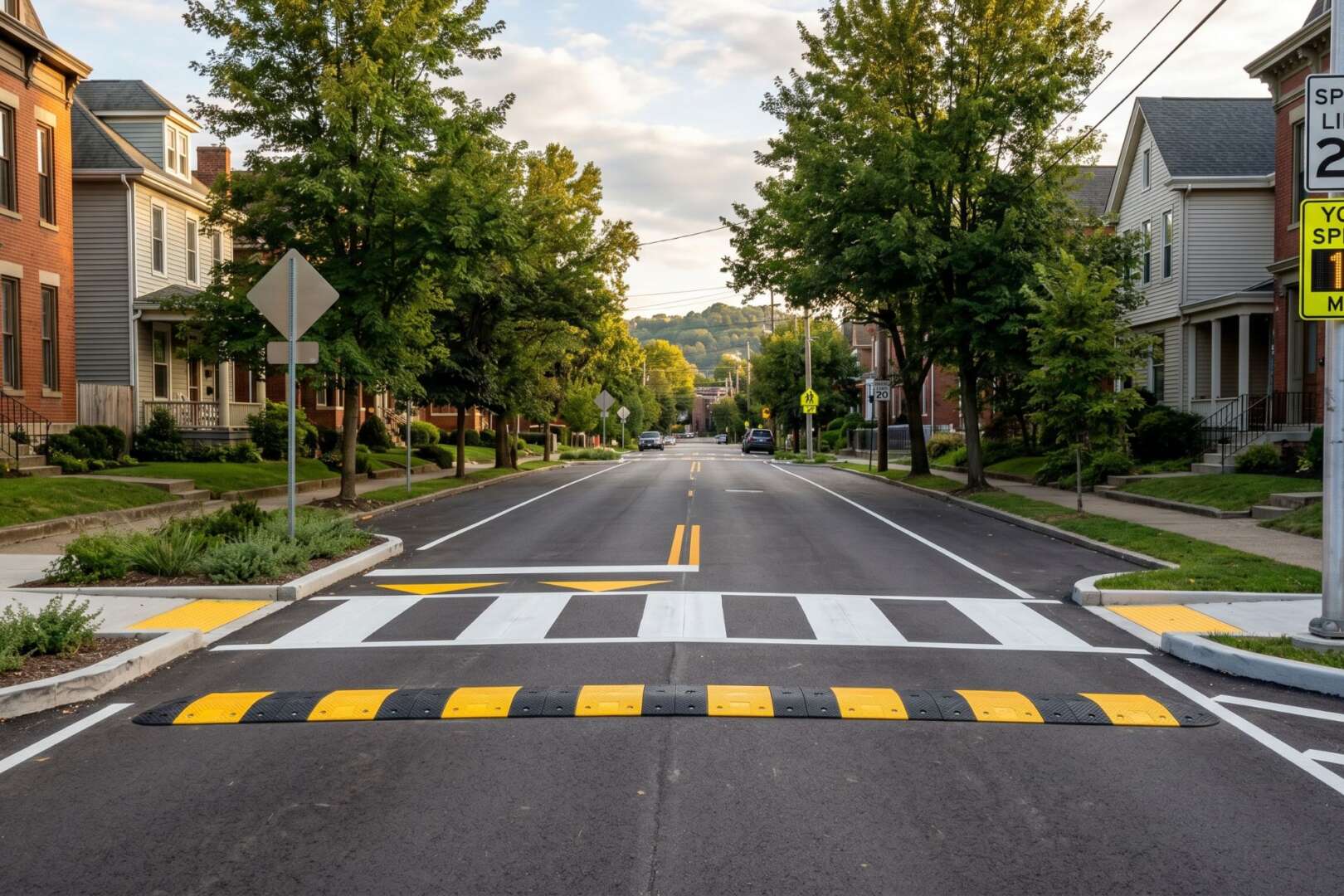
The program includes a variety of design features, such as:
- Speed cushions that slow vehicles without blocking emergency response
- Raised crosswalks that improve pedestrian visibility
- Curb extensions that shorten crossing distances
- Speed tables that create gradual elevation changes
These features physically change driver behavior rather than relying on enforcement alone. Officials say that approach leads to more consistent and long-term results.
Community-driven pedestrian safety programs guide projects
Community input plays a major role in how pedestrian safety programs operate. Neighborhood councils and residents can request traffic calming measures through the city’s application process. Officials review each request and prioritize projects based on risk factors and available funding.
According to the City of Cincinnati, this community-driven model helps ensure resources go to areas with the greatest need. It also allows residents to directly influence safety improvements in their neighborhoods. City leaders say this collaboration builds trust and improves outcomes.
Some residents have raised concerns about traffic-calming features, especially speed humps. Critics argue they can slow emergency vehicles or create inconvenience for drivers. However, city officials say the safety benefits outweigh those concerns. They emphasize that most projects are installed in response to community requests.
The city continues to refine the program based on feedback and performance data. Officials say they adjust designs and placement strategies to balance safety with accessibility. The goal is to create safer streets without disrupting essential services.
Here is the text organized with logical subheadings to improve scannability and structure:
Pedestrian safety programs align with long-term safety goals
Alignment with national and local strategies
Pedestrian safety programs are part of a broader effort to reduce traffic-related injuries and deaths citywide. Cincinnati’s approach aligns with national safety strategies that prioritize speed reduction and road design improvements. According to the National Highway Traffic Safety Administration, lowering vehicle speeds significantly reduces the severity of crashes.
City officials say the program complements other safety initiatives, including education campaigns and enforcement efforts. Together, these strategies aim to create a safer environment for pedestrians, cyclists, and drivers. Leaders stress that infrastructure changes provide the most reliable results over time.
Supporting broader city planning and community impact
The program also supports Cincinnati’s long-term planning goals related to transportation and public safety. Officials say safer streets encourage walking and improve overall quality of life. They add that reducing crashes can also lower emergency response costs and healthcare impacts.
Recent coverage by WCPO 9 also highlights the city’s broader push to address safety outside traditional enforcement methods. That includes investments in prevention and community-based solutions.
Future expansion and continued measurable results
Officials plan to continue expanding pedestrian safety programs in the coming months. Future projects will focus on high-risk corridors and underserved areas. The city will also continue tracking performance data to measure effectiveness.
Leaders say the results so far demonstrate that targeted, data-driven strategies can make a measurable difference. They emphasize that reducing speed remains the most important factor in preventing serious injuries. As the program grows, officials expect continued improvements in safety across Cincinnati streets.
FAQs
What are pedestrian safety programs in Cincinnati?
Pedestrian safety programs focus on reducing vehicle speeds and preventing serious crashes through infrastructure changes. These include features like speed cushions, raised crosswalks, and curb extensions.
How does the city decide where to install traffic-calming measures?
Officials use crash data, speed studies, and pedestrian activity to identify high-risk areas. Community requests also play a role in determining project locations.
Have these programs reduced crashes and speeding?
Yes, officials report consistent reductions in speeding on treated streets—noting an average 48% decrease where measures were installed. The city continues to aggressively expand the program to address the 15 speeding-related fatalities recorded over the past two years.
What types of improvements are included in the program?
The program includes physical road changes designed to slow drivers and improve visibility. Common features include speed tables, curb extensions, and raised crosswalks.